Lightweight and corrosion resistant: what makes aluminum special, which alloys weld well and where it is the best fit.
Aluminum weighs about a third as much as steel and does not rust, which is why it appears on boats, trailers, truck bodies, ladders and equipment. It comes in many alloys, and not all of them weld equally well. Knowing the alloy is the first step.
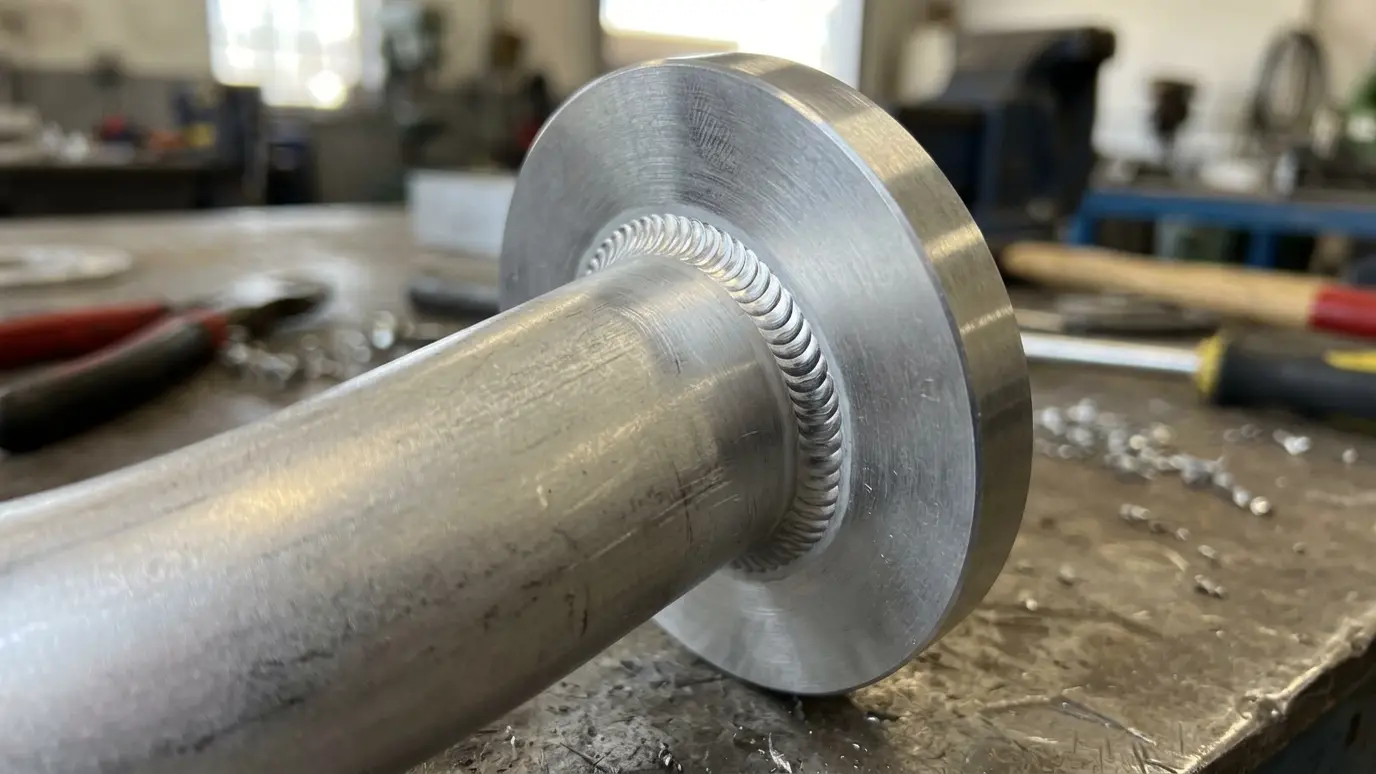
Aluminum conducts heat quickly and forms an oxide skin that must be removed before welding. It needs the right filler, shielding gas and clean, dry metal. Cast aluminum and some heat-treated alloys are harder to repair, and we tell you honestly where limits lie.
Great for boats and trailers.
Weldability differs by alloy.
Needs controlled welding.
Cleaned right before welding.
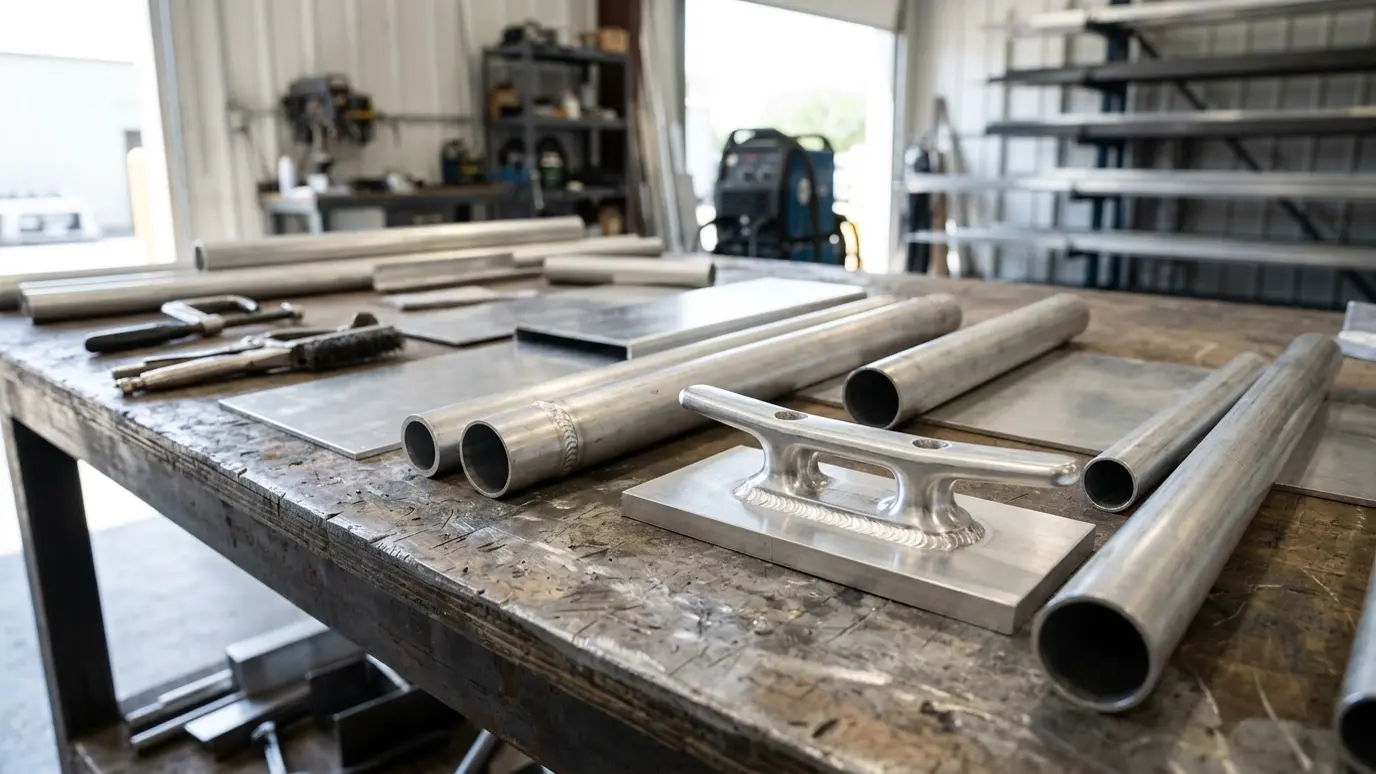
Welded in many forms.
Cast and heat-treated parts need care.
Pick a welding process, size your steel or ballpark the cost.
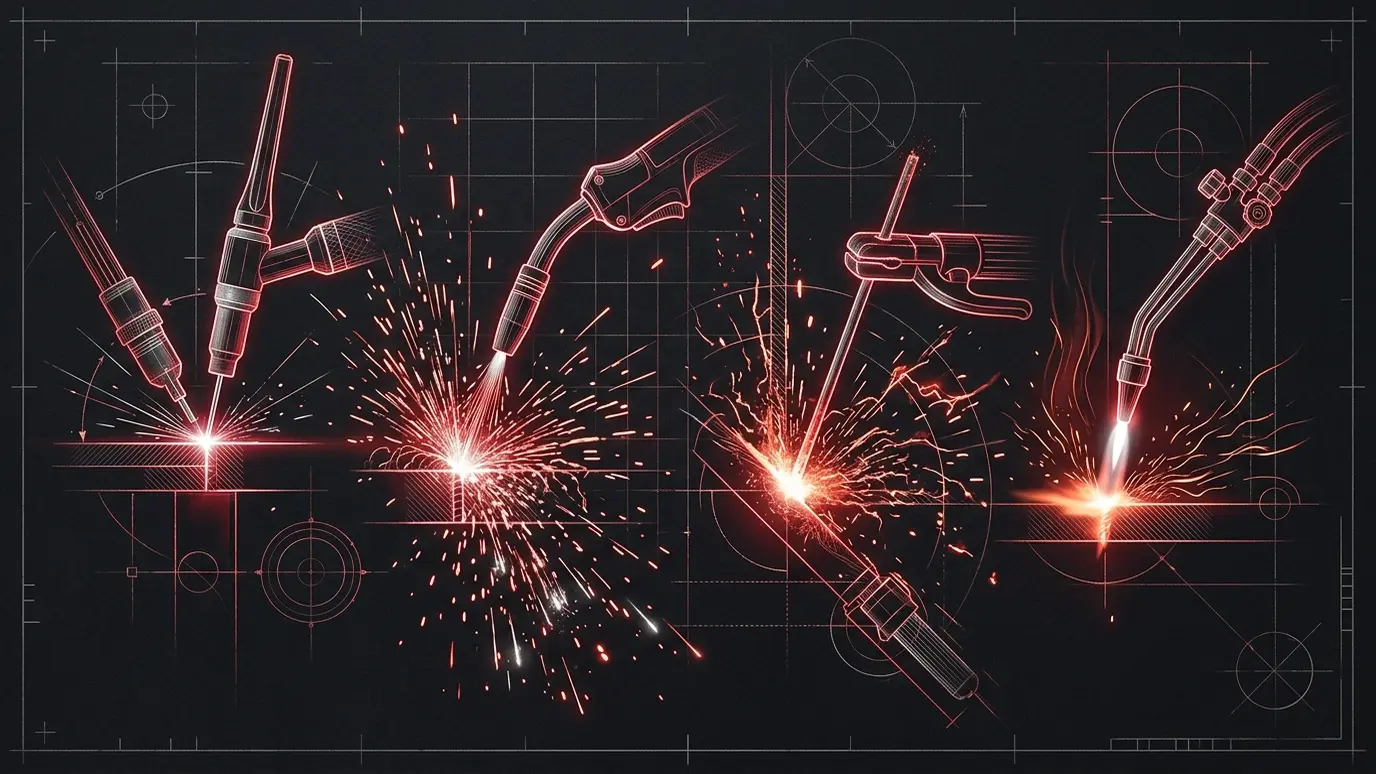 Welding Process PickerPick the metal, thickness and location and see which welding processes suit the job.Try it
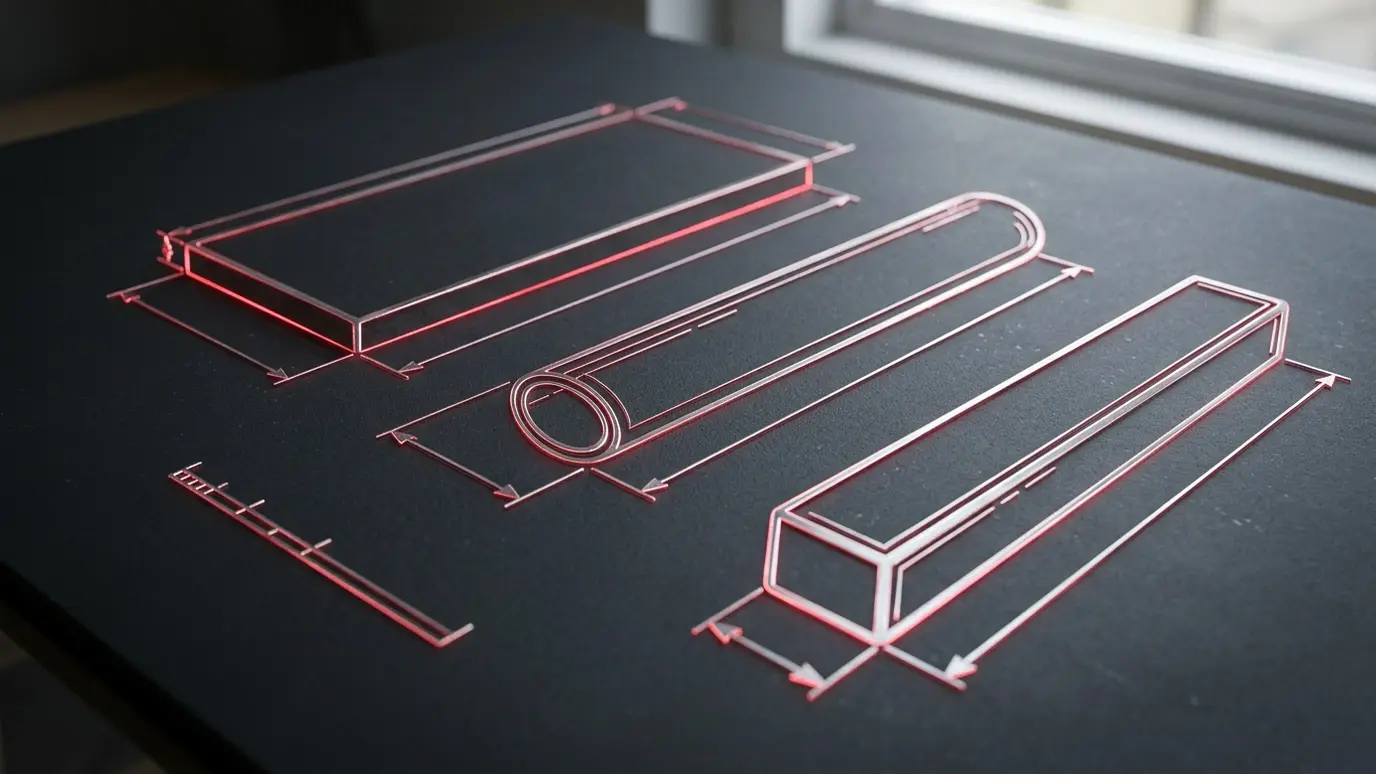 Steel Weight and Material CalculatorEnter a shape and its size and see weight, stock lengths and how much steel to order.Try it
 Welding Cost EstimatorPick a project and a size and get a ballpark planning range.Try it
Most common alloys can. Some cast and heat-treated types are difficult, and we assess before starting.
Higher heat conduction, an oxide layer and a lower melting point need special filler, gas and technique.
It does not rust, but it can corrode, especially in contact with other metals in wet conditions.
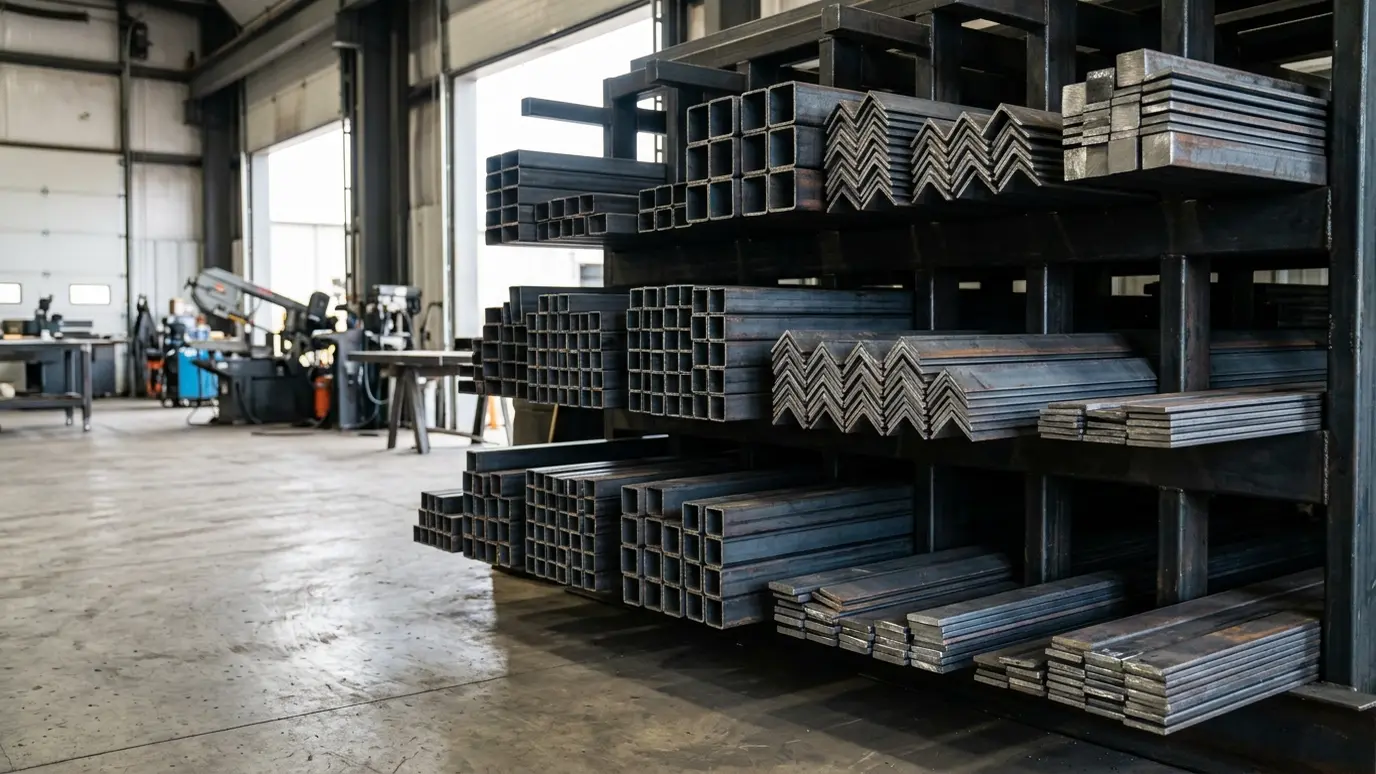 Metal guideMild SteelThe workhorse of welding: strong, affordable and forgiving, and the right choice for most gates, frames, railings and…Learn more
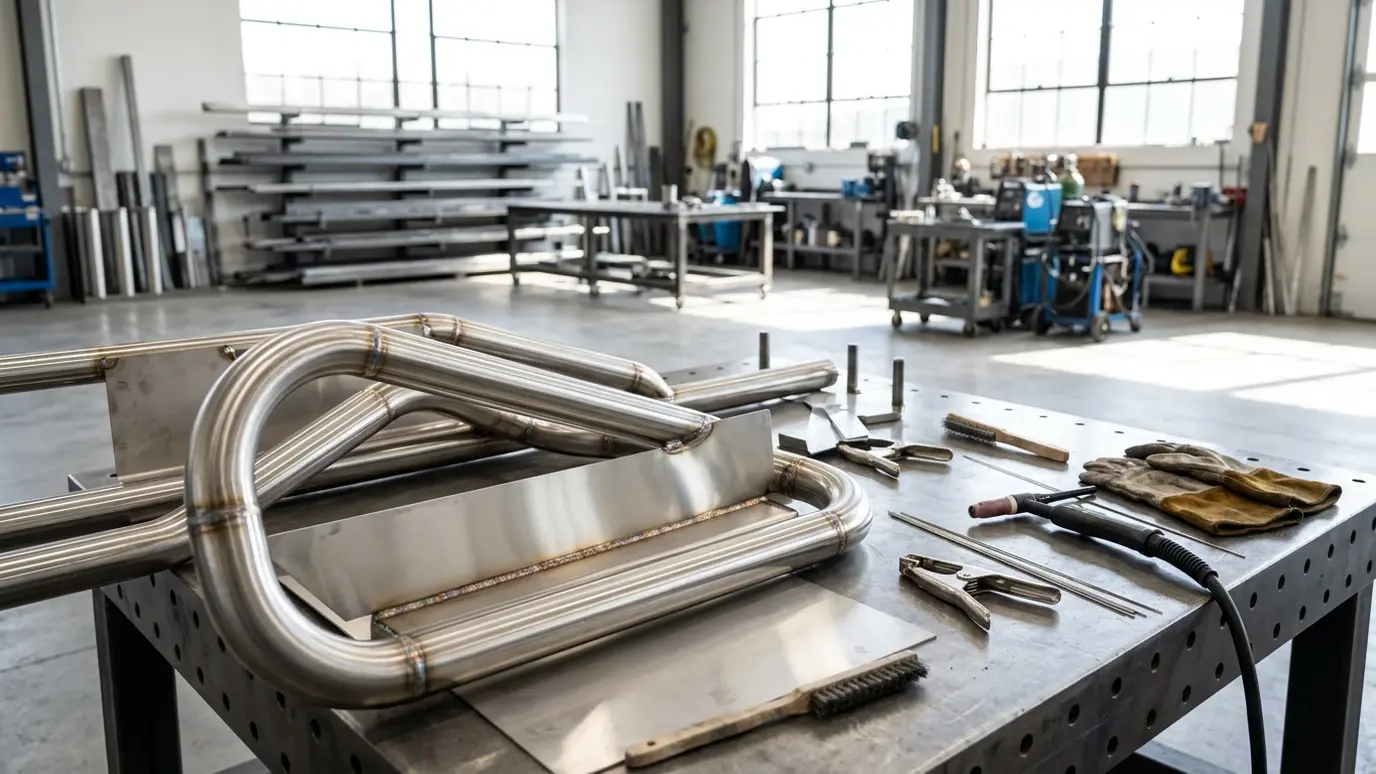 Metal guideStainless SteelCorrosion-resistant steel for kitchens, rails and tanks: how it welds, how it discolors and how to keep it…Learn more
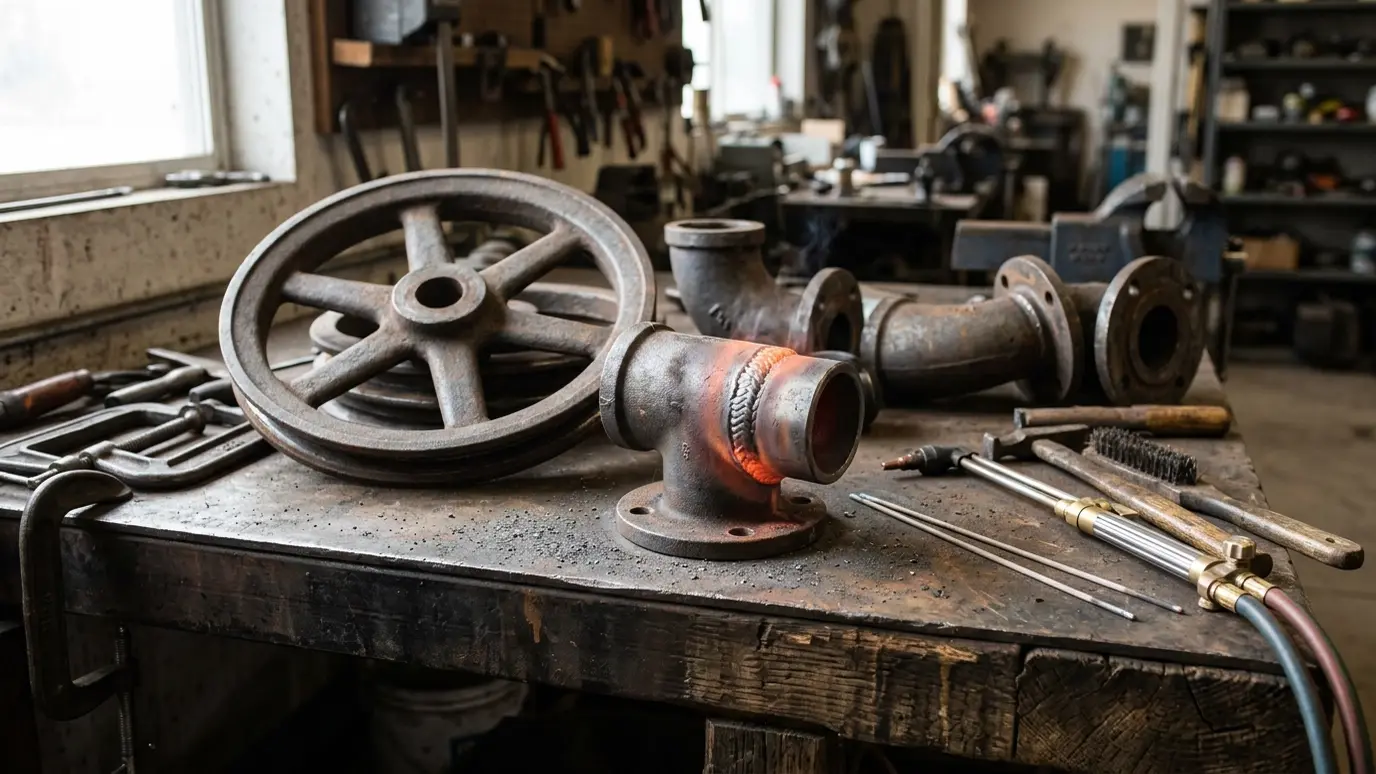 Metal guideCast IronBrittle but strong in compression: why cast iron needs slow heat, special rods and a patient approach to…Learn more
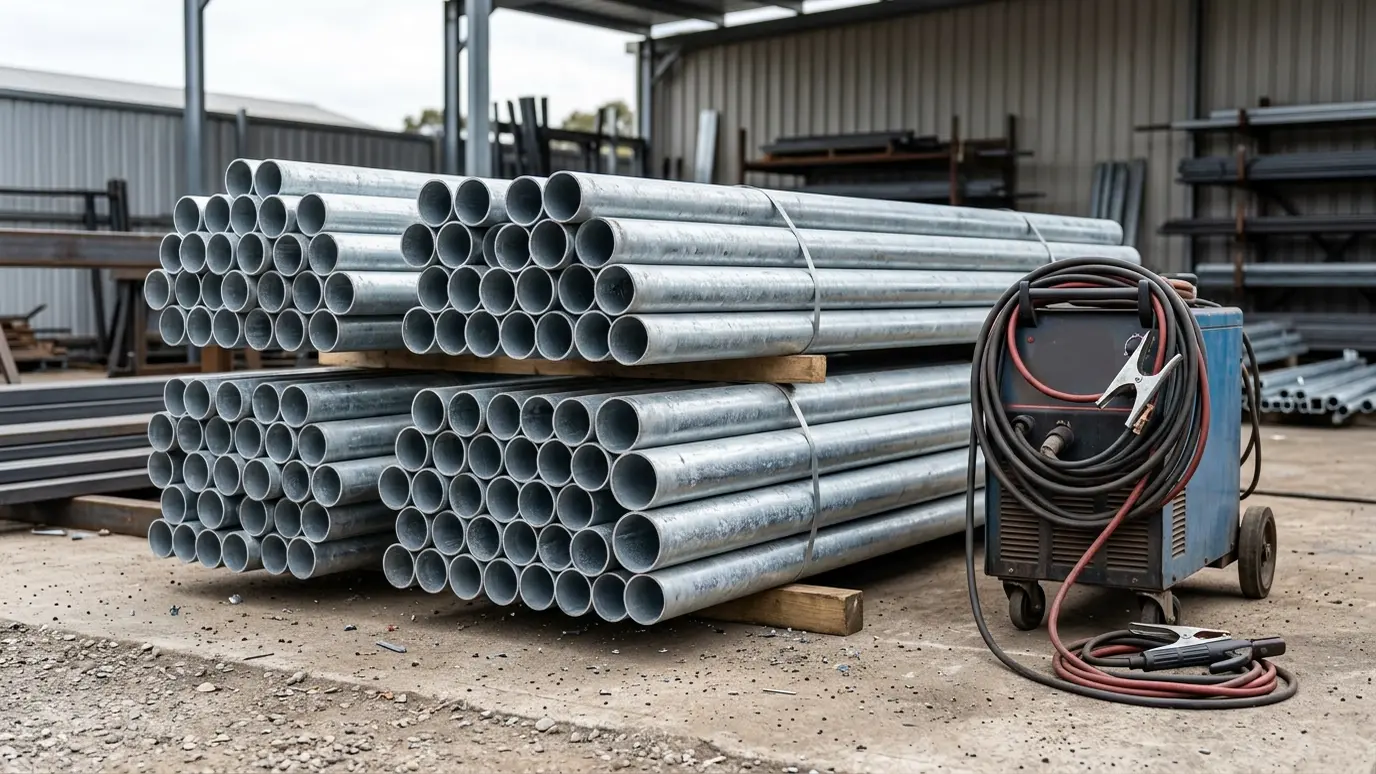 Metal guideGalvanized SteelZinc-coated steel resists rust but needs special care when welded: fumes, coating repair and finishing for lasting protection.Learn more
Quick scheduling, careful work and a clear price before we start.