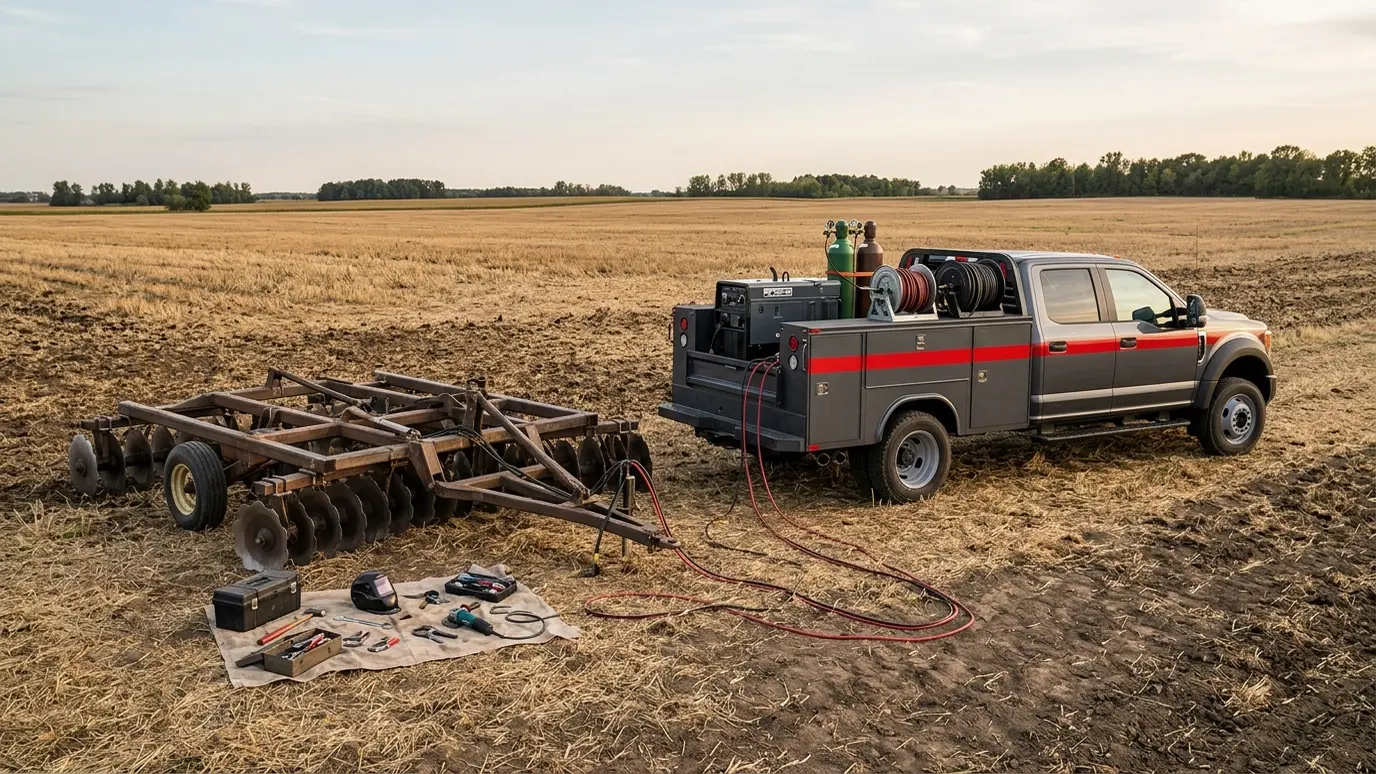
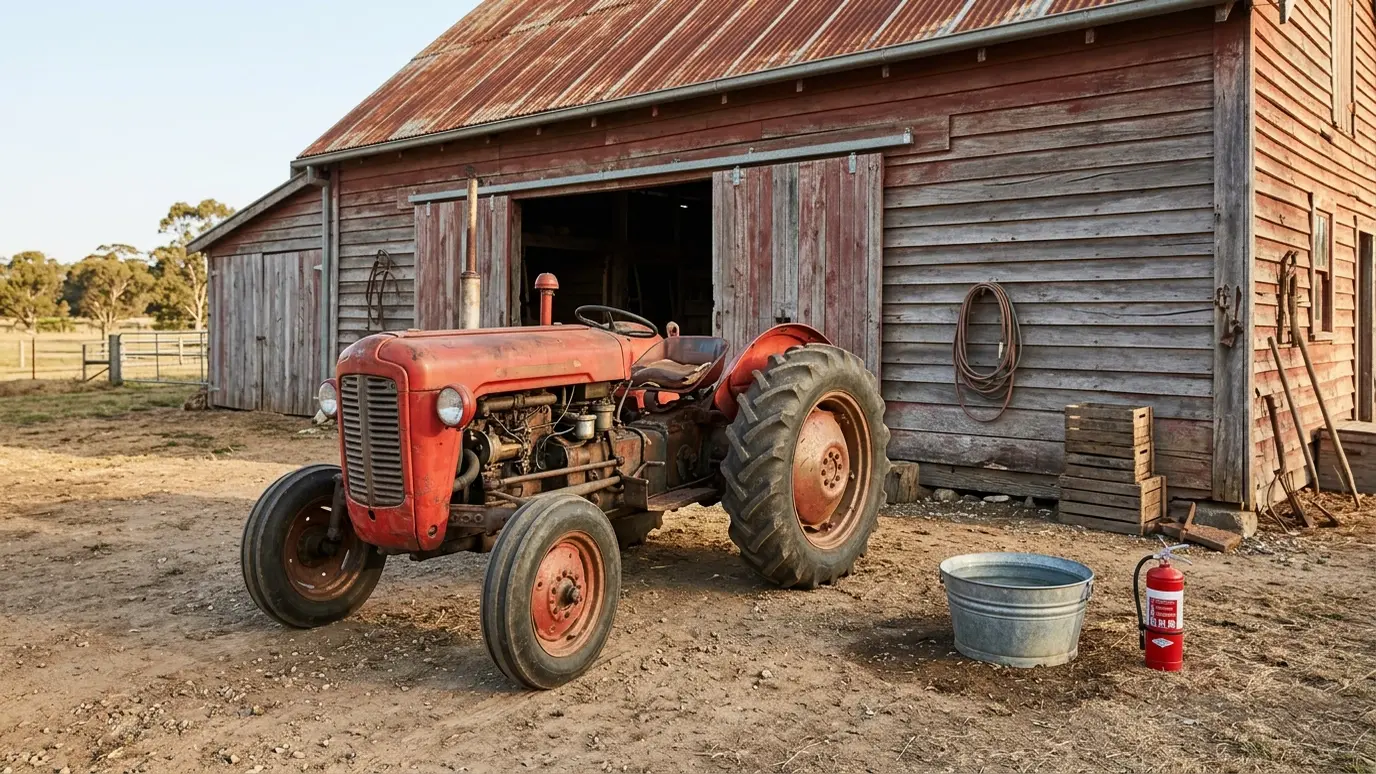
Clean the area
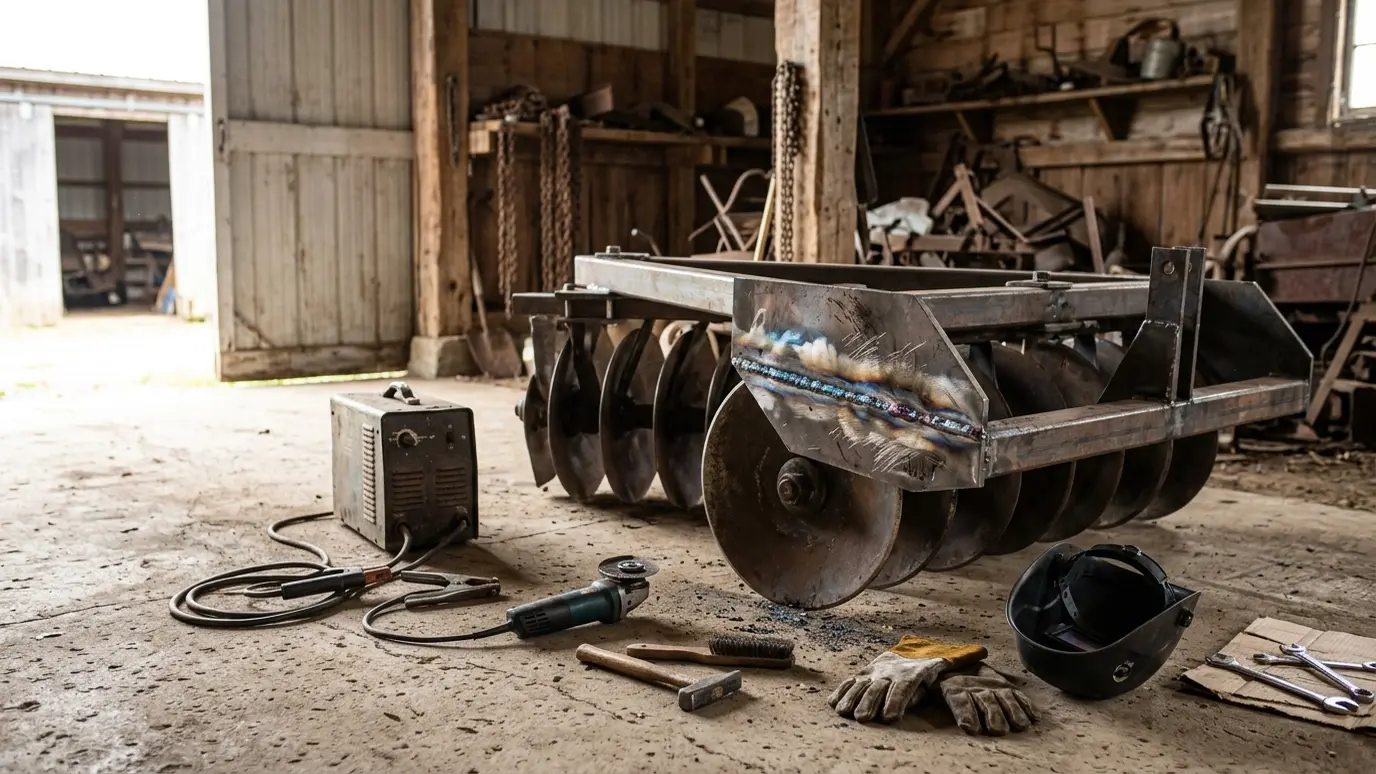
Mud, grease and old paint around a crack make good welding impossible. A pressure wash or a scrape and wipe near the damage saves time and improves the repair. Do not clean with fuel or solvents near the work.
Clear access
Move the machine to firm, level ground with room to work around it. Open gates, clear the path for the truck and let us know about low branches, soft soil and tight turns.
Empty and secure
Empty buckets, hoppers and tanks, and lower attachments to the ground. Never ask us to weld a tank or drum that held fuel, oil or chemicals without telling us first.
Gather information
Tell us the machine make and model, what broke and how it broke. Photos from several angles help. If you have the broken piece, keep it, since it shows the fracture and how to match the repair.
Have parts ready
If a replacement pin, bushing or cutting edge is available, have it on site. Welding a worn part on wasteful steel is not as good as welding a new part in place.
Plan the day
Pick a time when the machine is not needed and the weather is workable. Keep animals and children away from the area. Have a hose or water source nearby for fire safety.
Clean, clear, empty and photograph: those four steps make a farm repair faster and better.