A good bead
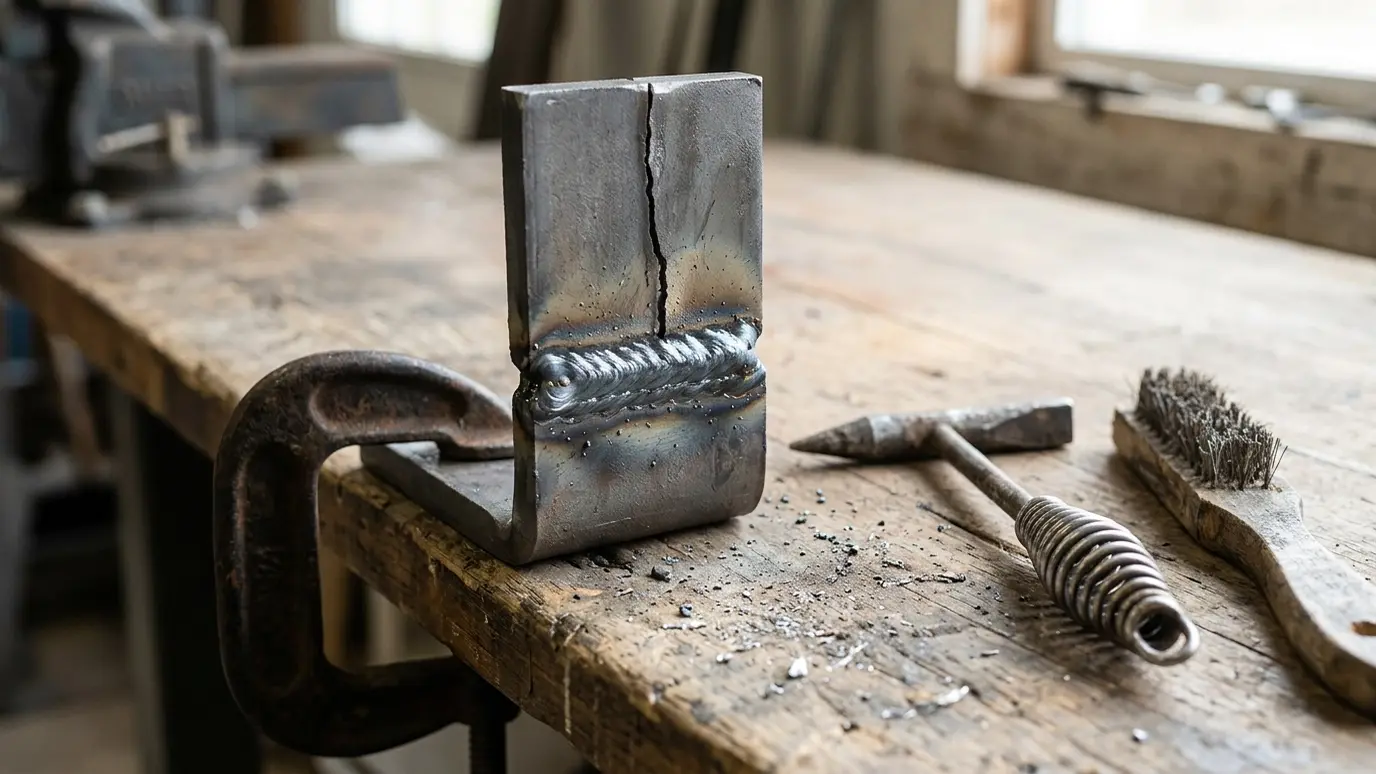
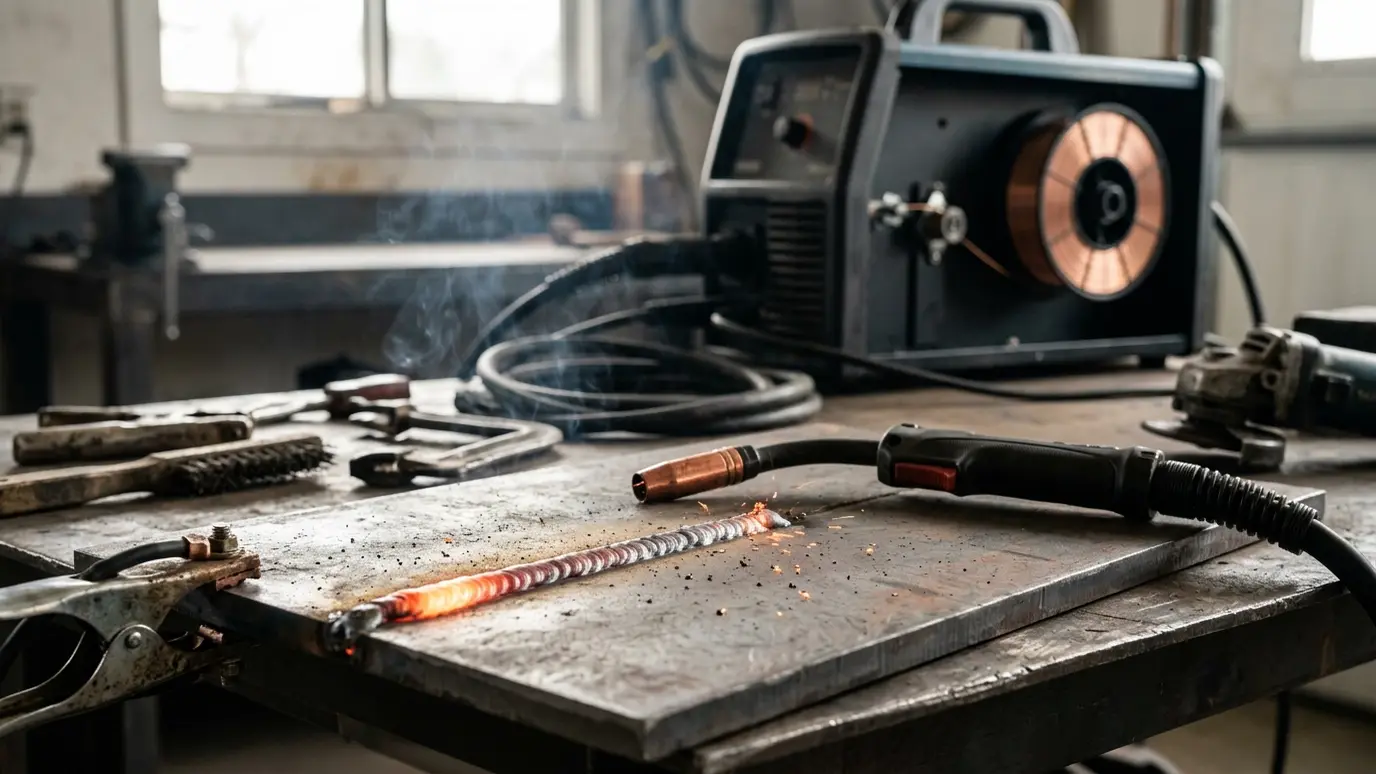
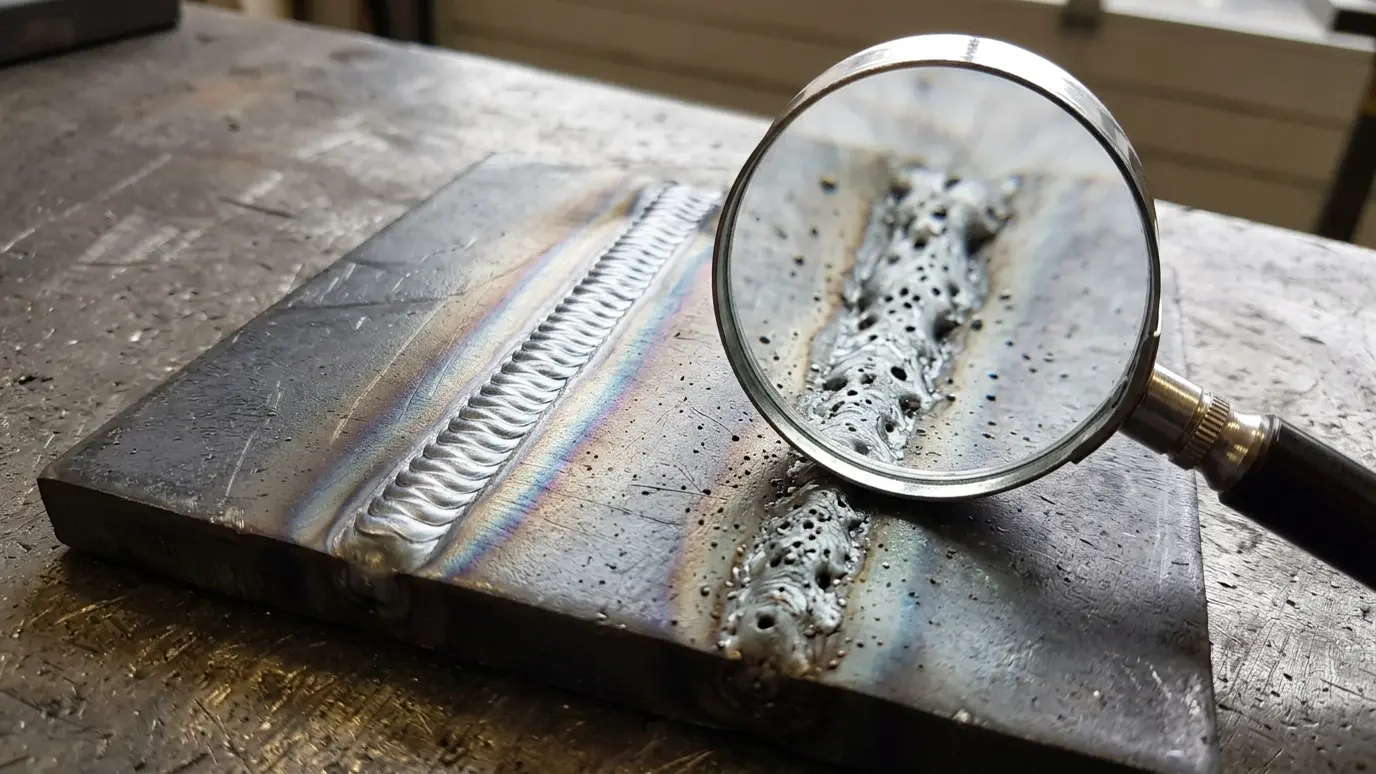
A sound bead is uniform in width, with even ripples and smooth edges that blend into the base metal. It is neither too high nor too flat, and it follows the joint evenly.
Penetration and fusion
A weld must fuse into both pieces, not just sit on top. Signs of poor fusion include a bead with sharp edges that does not blend and gaps along the toes.
Porosity
Tiny holes in the surface mean gas was trapped in the weld, often from contamination, wind or wet electrodes. Scattered pores weaken a weld, and severe porosity should be removed and redone.
Undercut and overlap
Undercut is a groove melted into the base metal beside the weld, which creates a stress point. Overlap is weld metal rolled over without fusing. Both are defects.
Cracks and spatter
Any visible crack in a weld is a failure. Heavy spatter is not always a strength issue but points to poor settings or technique.
What looks do not tell you
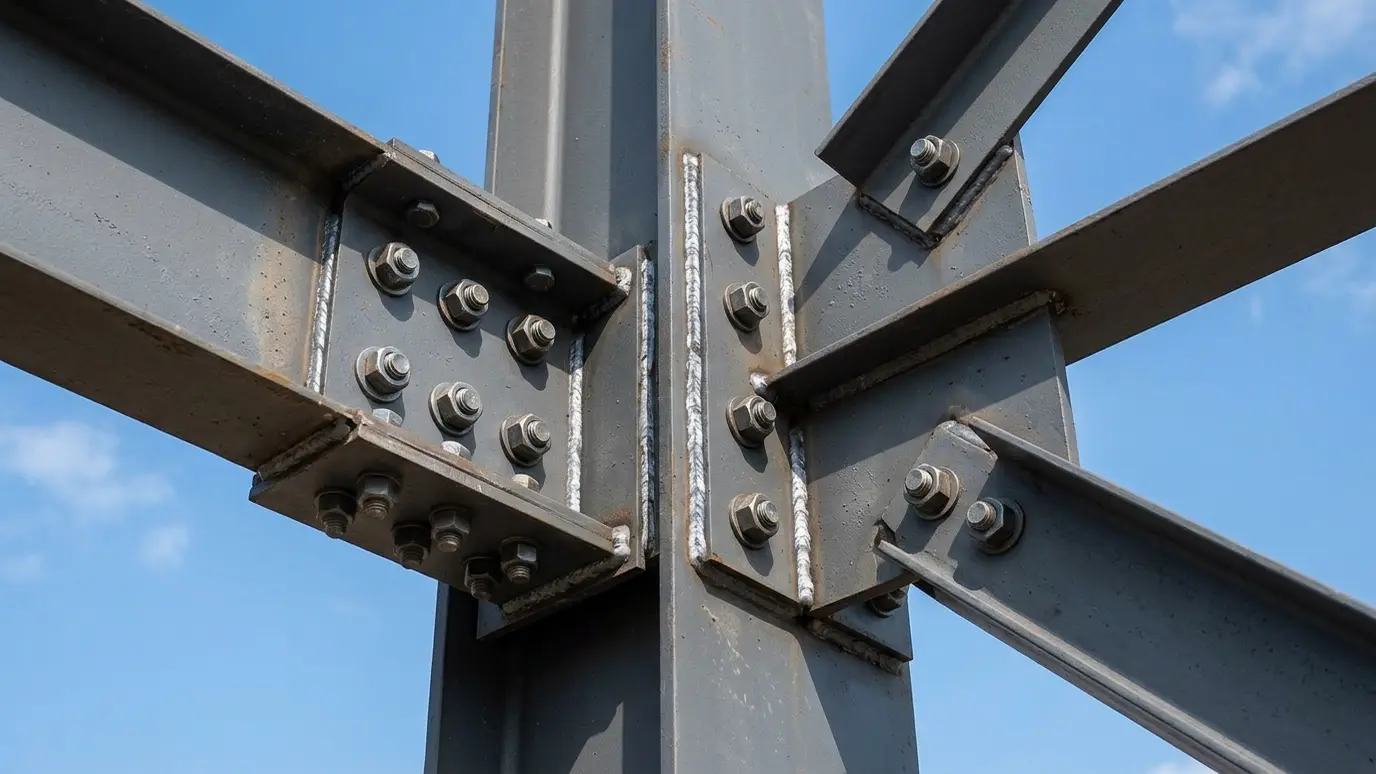
A pretty weld can hide poor penetration, and a rough one can be sound. Critical welds are inspected with methods beyond the eye, and we follow the inspection your project requires.
A good weld is even, fused into both sides and free of cracks and clusters of pores.