Why identification matters
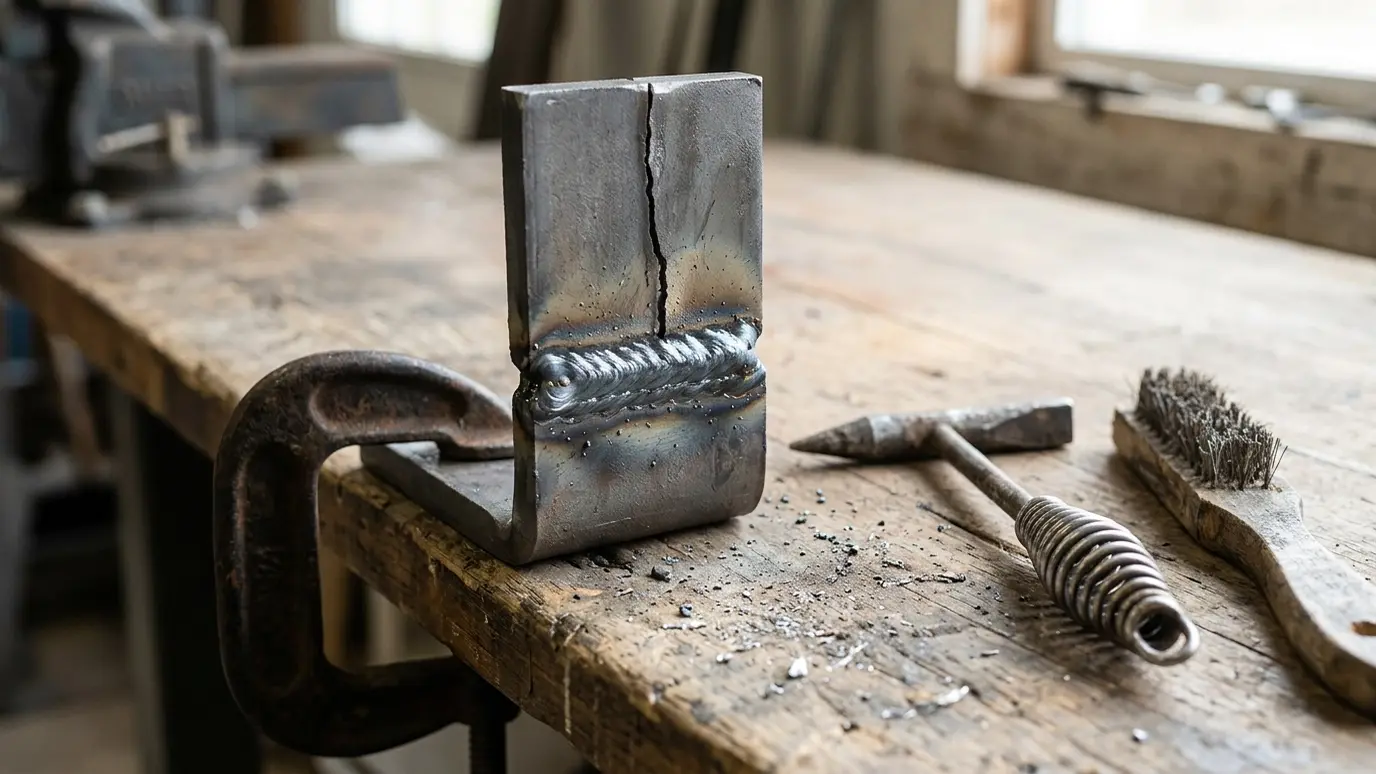
Each metal needs a different filler, gas, heat and technique. Welding stainless as if it were mild steel causes rust and cracks, and treating cast iron like steel causes new breaks. Knowing what the metal is saves time and prevents failures.
The magnet test
Mild steel and cast iron are strongly magnetic. Aluminum is not. Most stainless steels used in kitchens and railings are weakly or non-magnetic, though some grades are magnetic.
Weight and color
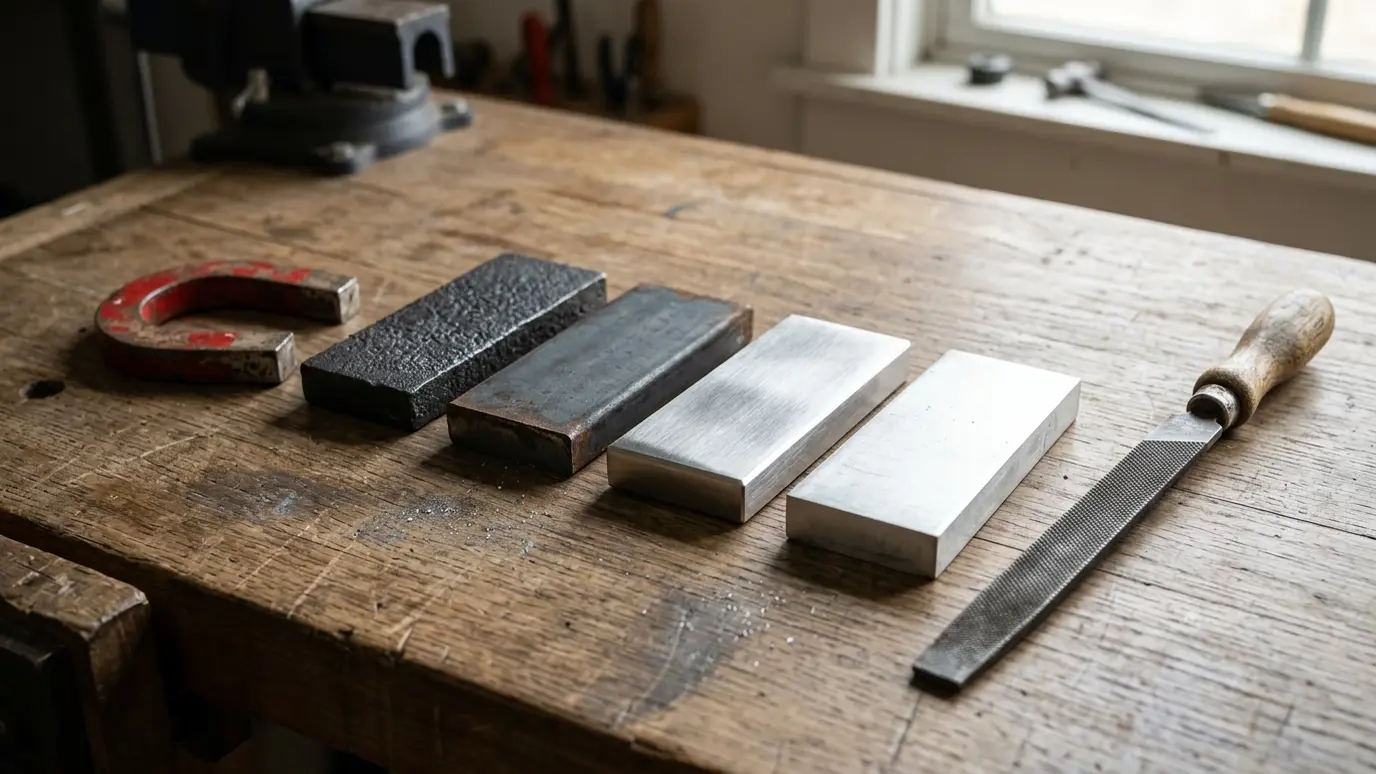
Aluminum is noticeably light and has a dull gray color. Stainless has a bright, clean look and does not rust. Mild steel is dark gray and shows rust. Cast iron is rough and dark with a sandy surface.
The grinder spark test
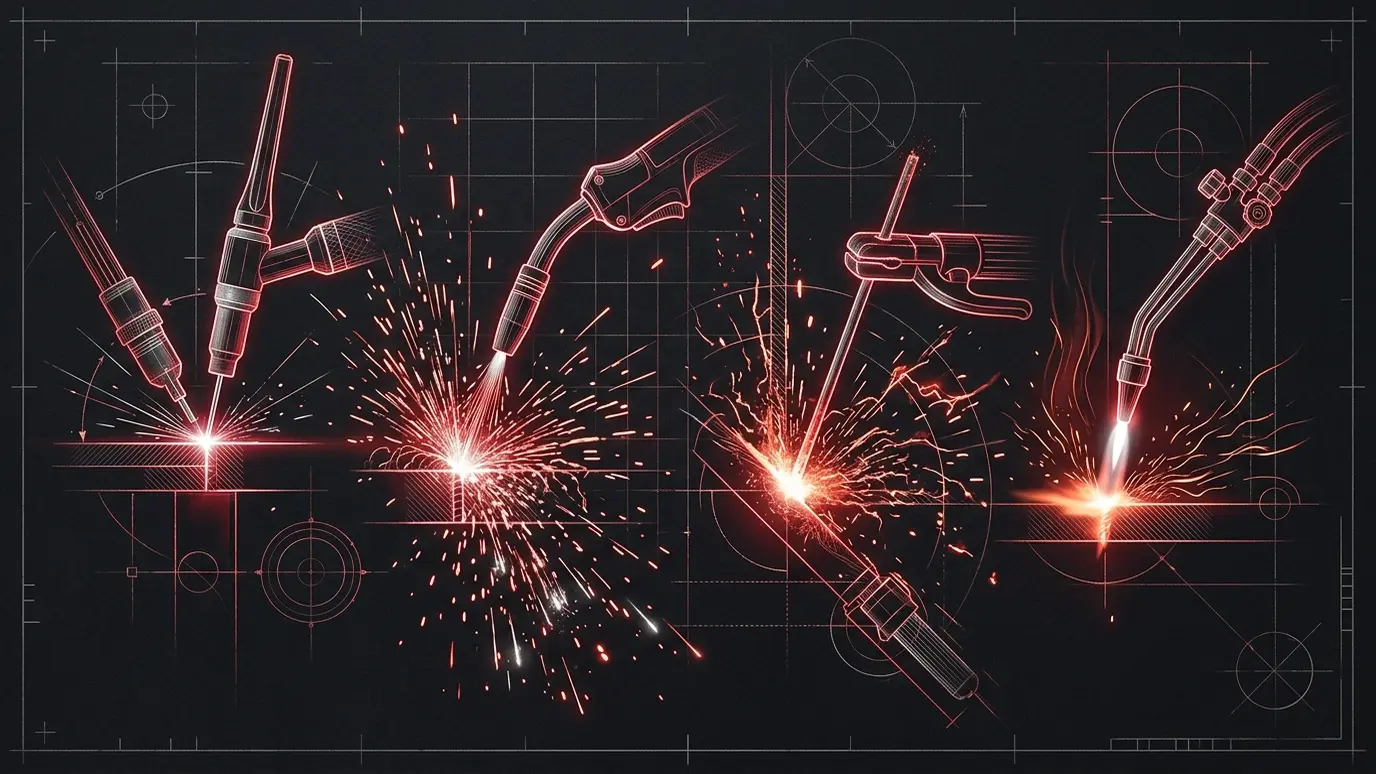
Sparks from a grinder reveal steel types. Mild steel gives long, light-yellow streaks. Cast iron gives short, dull red sparks. Stainless gives short, orange-red sparks. Aluminum gives almost none. Use eye protection and only a brief touch.
The file and scratch test
Cast iron is brittle and shows a gritty chip when filed. Aluminum scratches easily and clogs a file. Mild steel files cleanly and stainless is hard and resists the file.
When in doubt
If you are unsure, tell us what the part is and where it came from. We can often tell by eye and tests, and we do not weld unknown or contaminated materials without checking first.
A magnet, a scale and a quick spark test usually tell you what you are holding.