Cracked, broken, worn or bent metal rebuilt to work again, with the cause found and fixed so the repair holds.
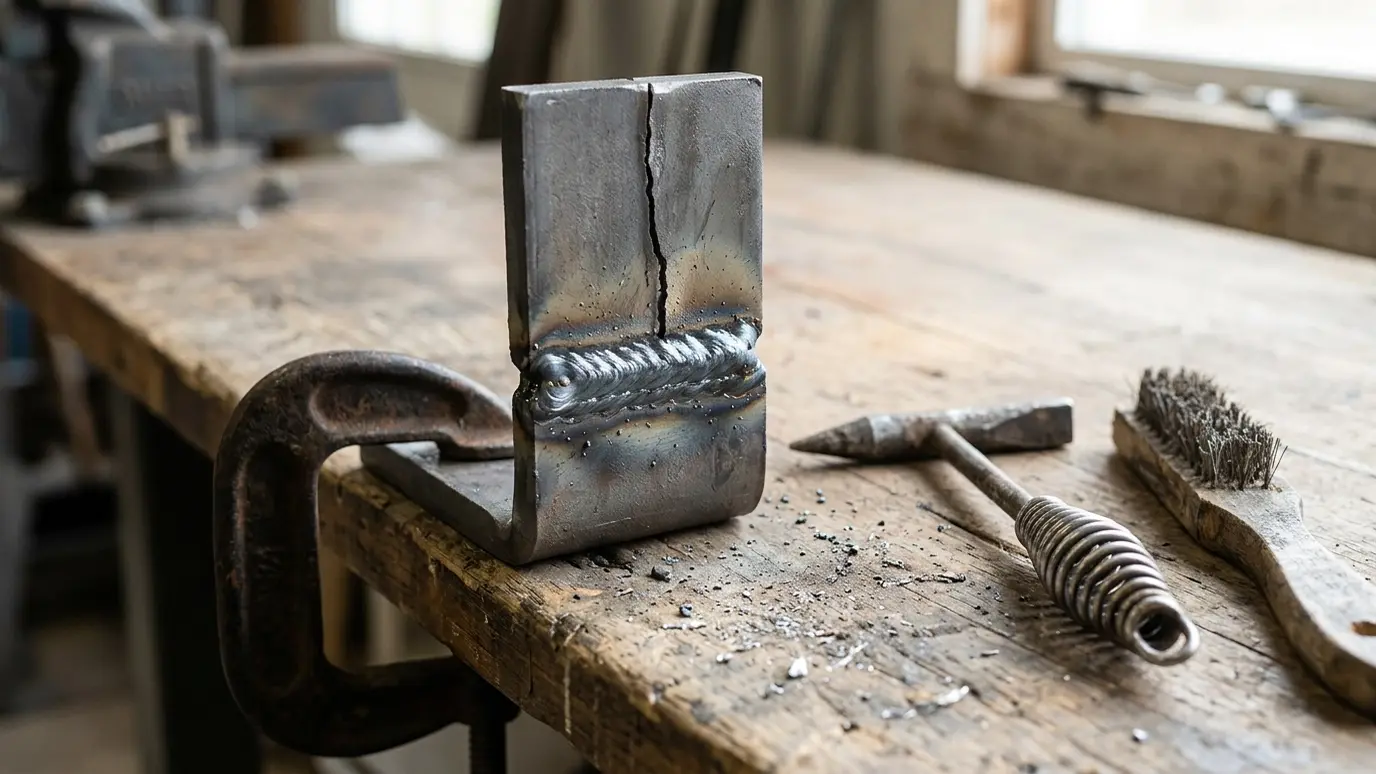
Metal fails for reasons: overload, fatigue, corrosion, a poor original weld or simple age. A good repair starts by understanding which one caused the break, because welding a crack without fixing its cause only buys time. We look at the failure first, then choose the process, the preparation and the reinforcement.
From a snapped bracket to a cracked frame, we grind out the flaw, prepare the joint, weld with the right filler and add gussets or sleeves where the part needs extra strength. The result is a repair designed to carry the load, not just to close the gap.
We look for where a crack started, how it traveled and what loaded the part. That tells us whether to reinforce, reshape or replace a section.
Clean metal, beveled edges and proper fit-up make the difference between a strong weld and a cosmetic one. Rust, paint, oil and old filler come off first.
Gusset plates, fish plates and sleeves spread load across a repair. Adding them where stress concentrates is often what stops a repeat failure.
There is a point where a repair costs more than the part is worth. We look at age, damage and how critical the part is, then give you a candid recommendation, even when replacement is the better choice for you.
Drag the handle to compare.
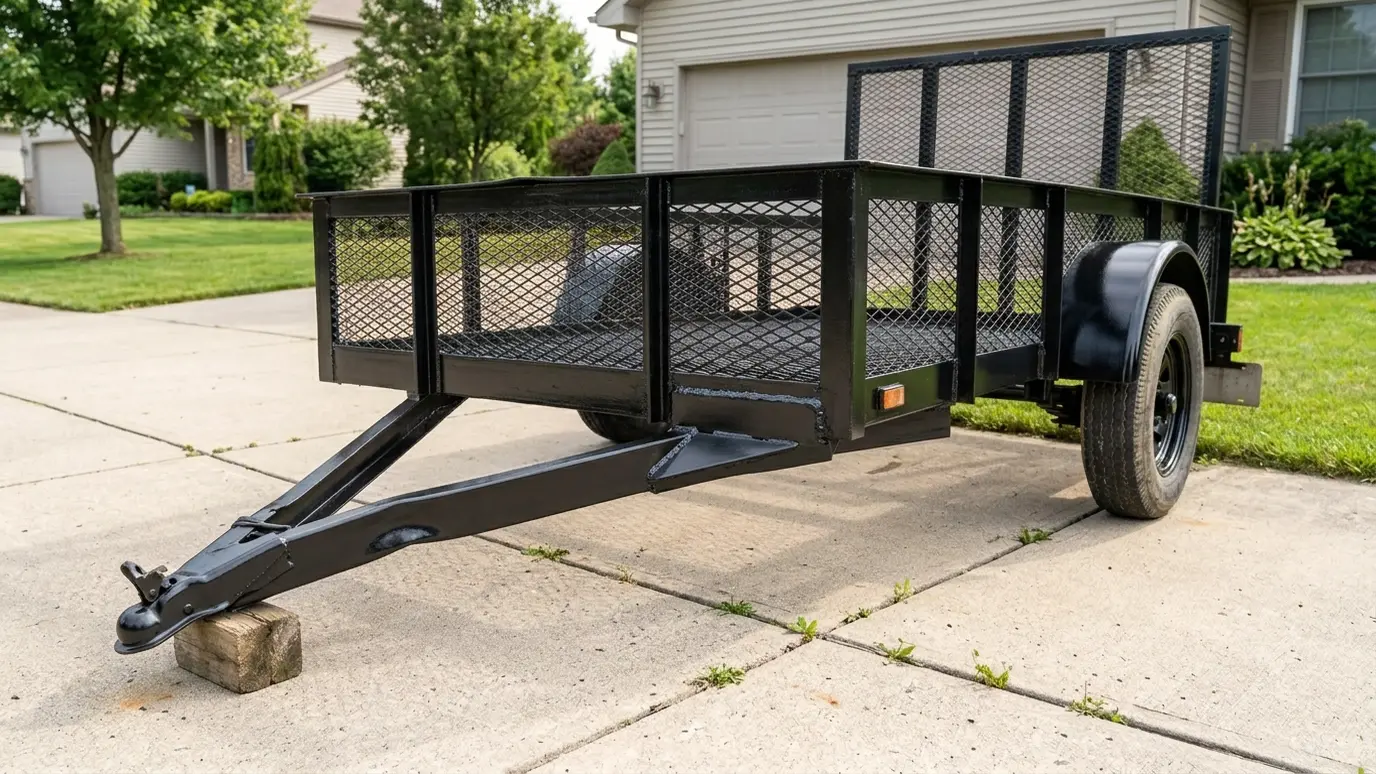
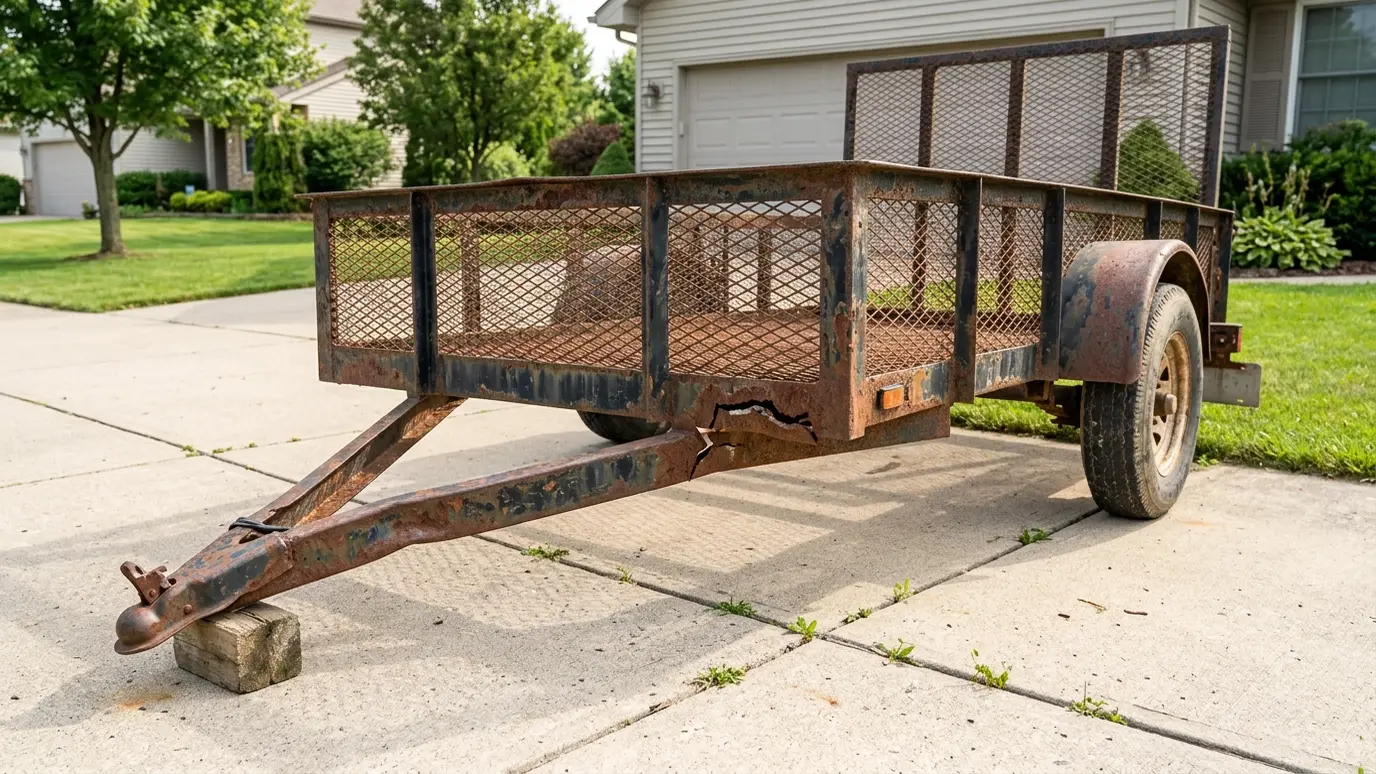 BeforeAfter
We fix why it broke, not just where.
Right wire or rod for the base metal.
Gussets and plates where loads concentrate.
Steel, aluminum, stainless and cast iron.
Ground, primed and painted.
We say when replacement beats repair.
Every topic has its own page with what to expect and how we approach it.
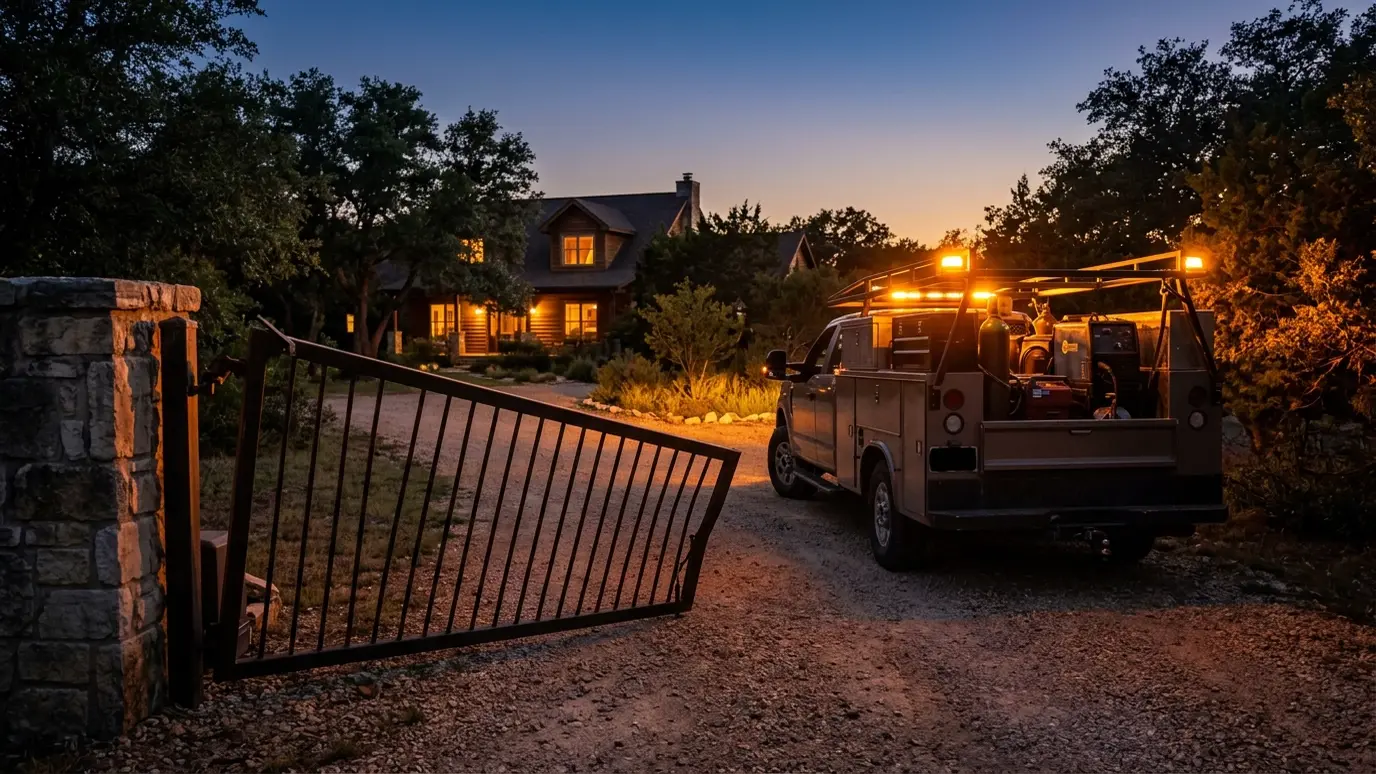 SituationEmergency SituationsWhat to do when a gate, trailer, railing or machine fails suddenly, and how a mobile welder gets…Learn more
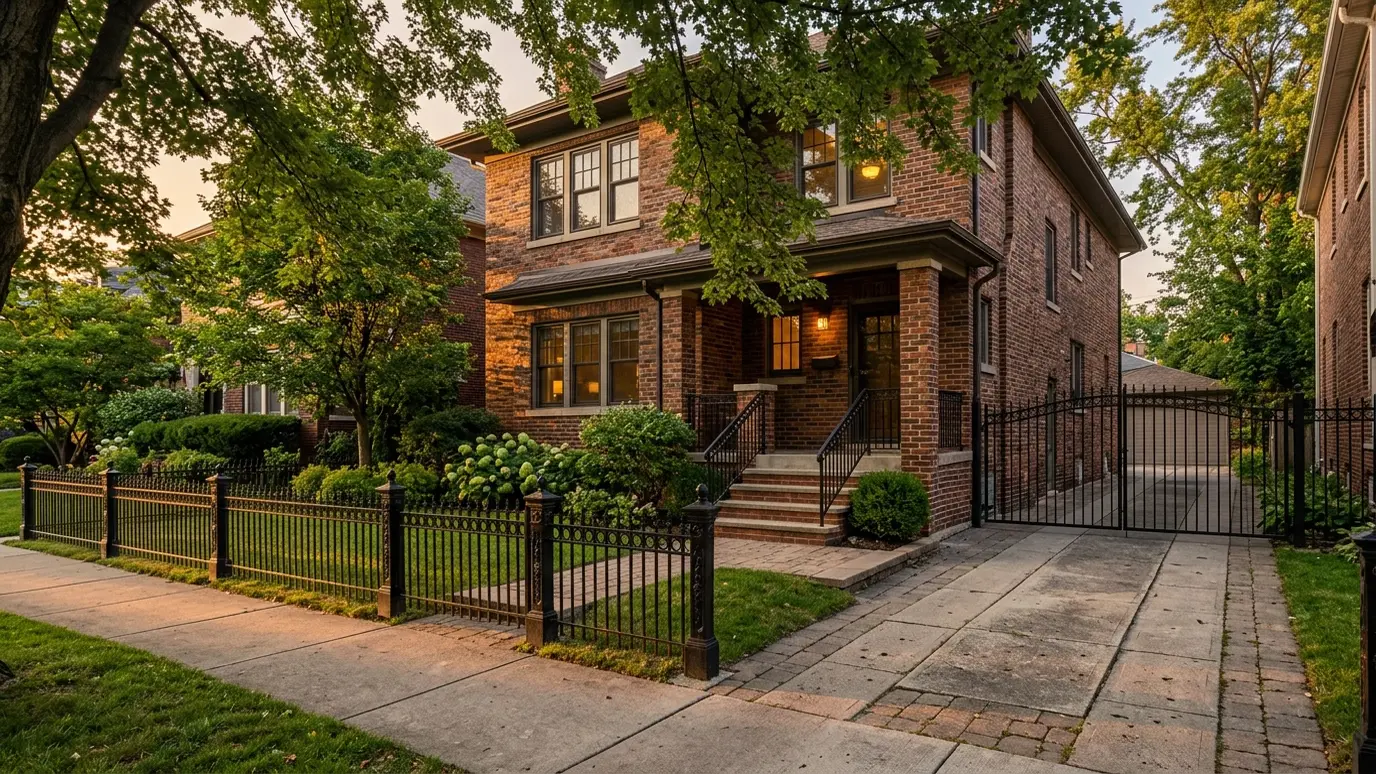 SituationHomeowner ProjectsGates, railings, fences, fire pits and repairs around the house, handled in your driveway without a trip to…Learn more
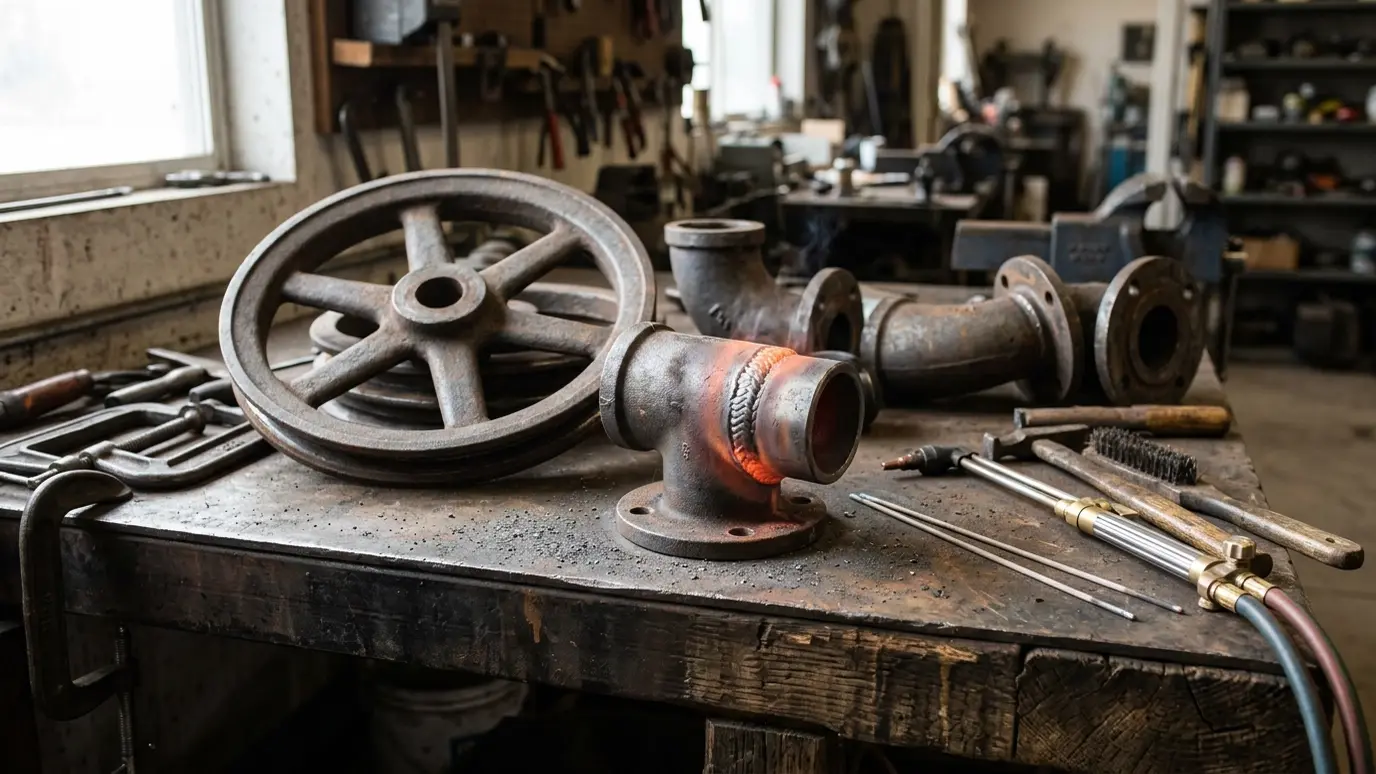 Metal guideCast IronBrittle but strong in compression: why cast iron needs slow heat, special rods and a patient approach to…Learn more
Pick the metal, thickness and location and see which welding processes suit the job.
Tell us what is broken or what you want built and send photos if you can. We plan the visit so the truck arrives ready.
We see the work, ask about the metal and access and give you a clear written price.
We agree a day and an arrival window, and call when we are on the way.
Work zone cleared, fire watch in place, then careful welding in the right process for the metal.
Welds ground, primed and painted, and the area left clean.
We walk through the finished work with you and note anything to watch.
Most can. Severely corroded, thin or fatigued metal sometimes cannot hold a lasting weld, and we will tell you when a replacement section or part is the better choice.
It can be, particularly where we add reinforcement. The goal is a repair that carries the load the part really sees.
Not well. Rust and coatings are ground away from the joint first, because contamination weakens welds and causes porosity.
We weigh the part, the damage and how critical it is. If repair is sensible we proceed, and if it is not we recommend replacement honestly.
We look at the metal condition, the load it carries and what a replacement would involve, then tell you plainly which makes sense.
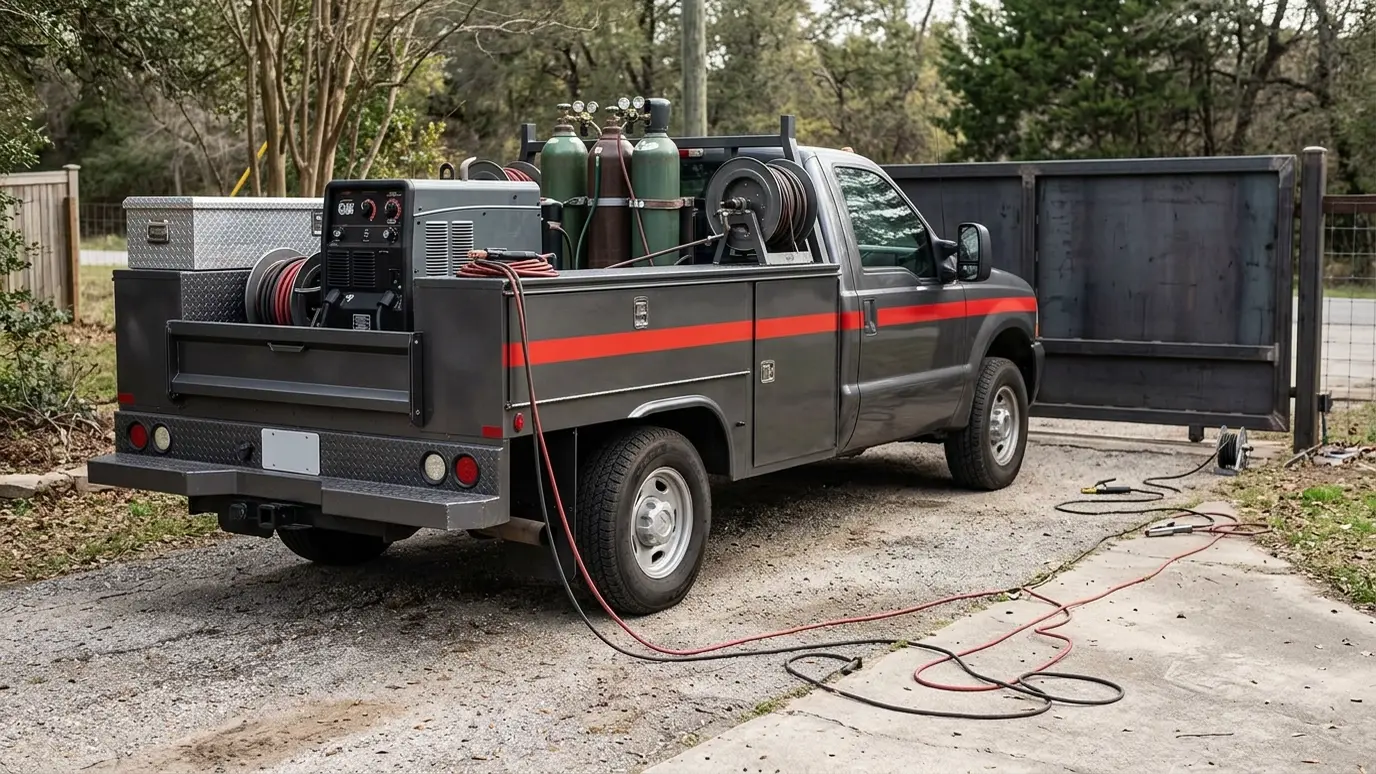 Mobile WeldingA fully equipped welding truck that comes to your driveway, yard, farm or job site, so the repair…Explore
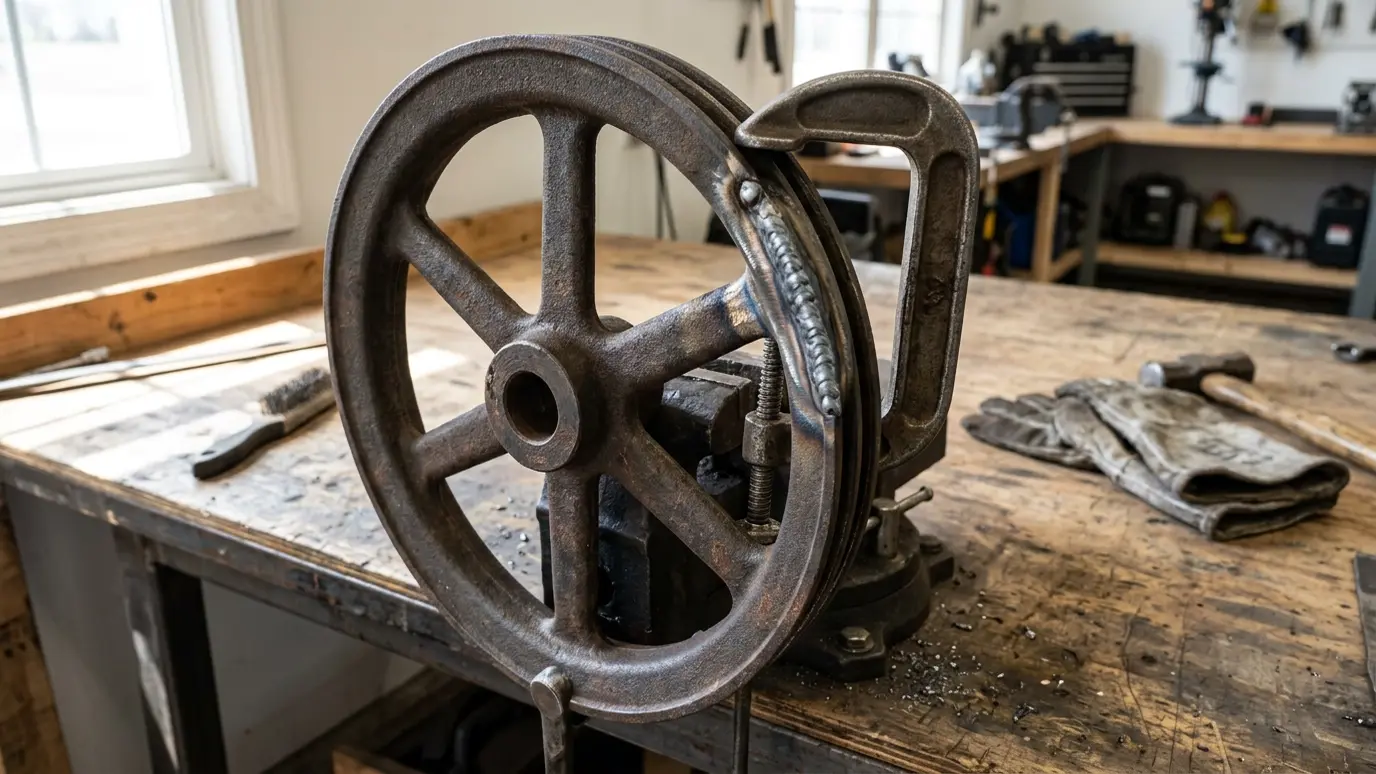 Cast Iron RepairCracked housings, brackets, fireplace parts, machine bases and antique castings repaired with the slow, careful methods cast iron…Explore
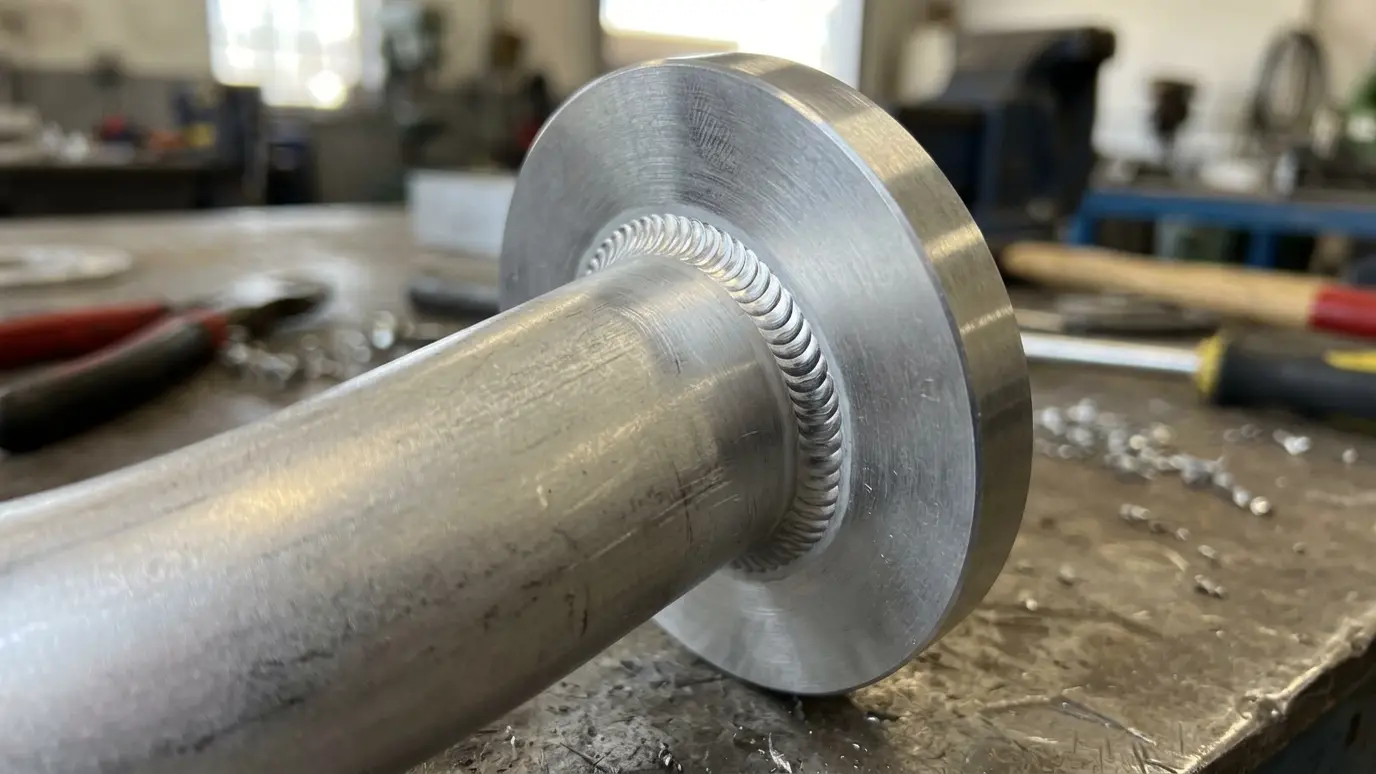 Aluminum WeldingBoat parts, trailers, ladders, truck bodies and custom aluminum work welded with the clean, controlled technique this metal…Explore
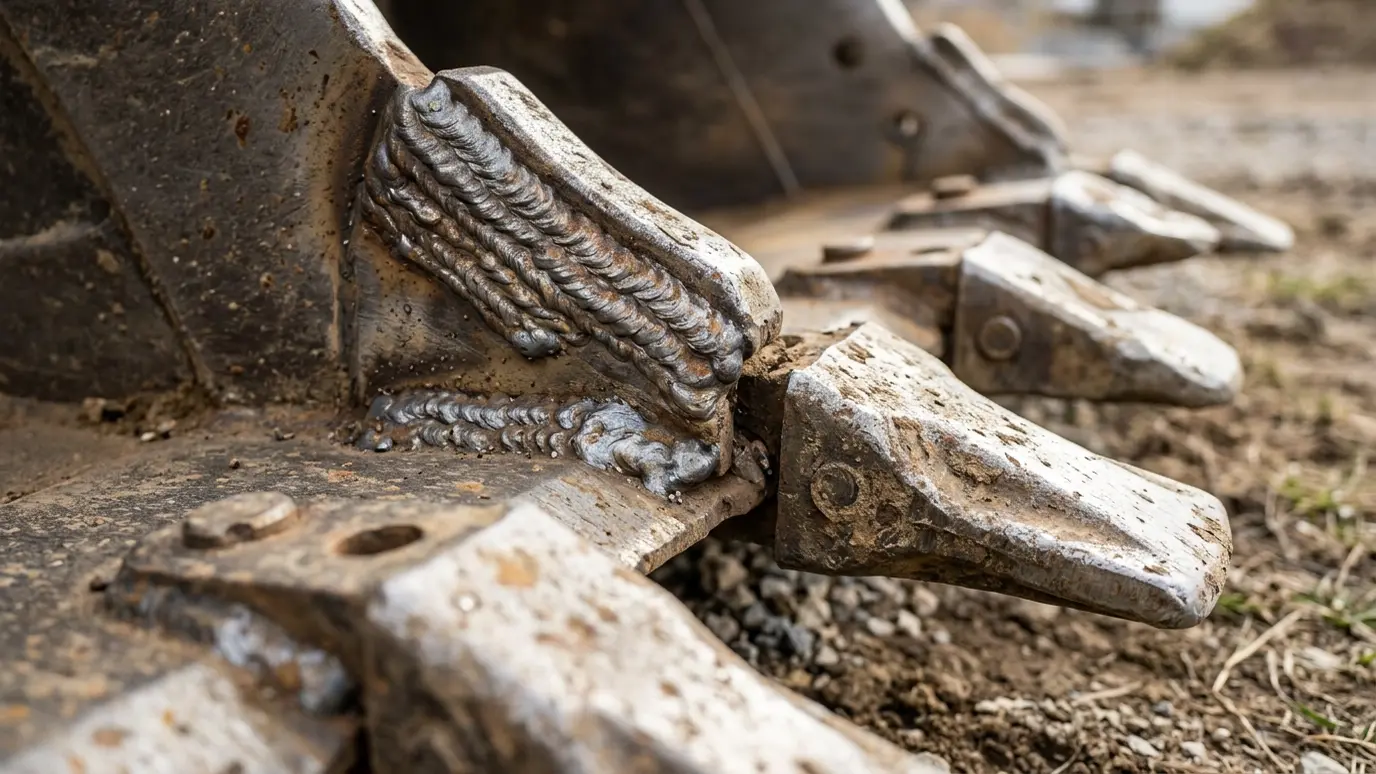 HardfacingHard overlay and wear plate that protect cutting edges, bucket lips, chutes and tools from abrasion, so they…Explore
Tell us about the job and we will call you back quickly.
Or call (615) 357-7797 to talk now.