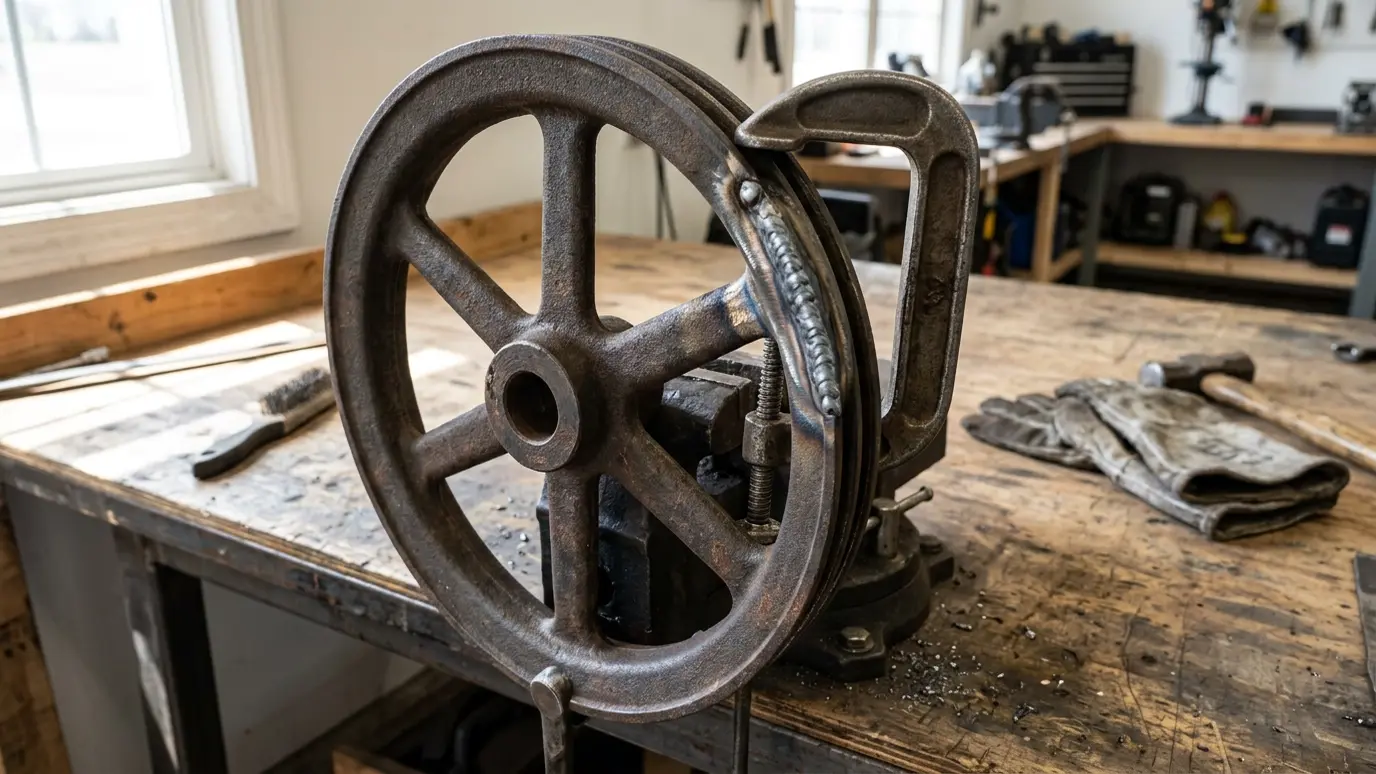
Cracked housings, brackets, fireplace parts, machine bases and antique castings repaired with the slow, careful methods cast iron demands.
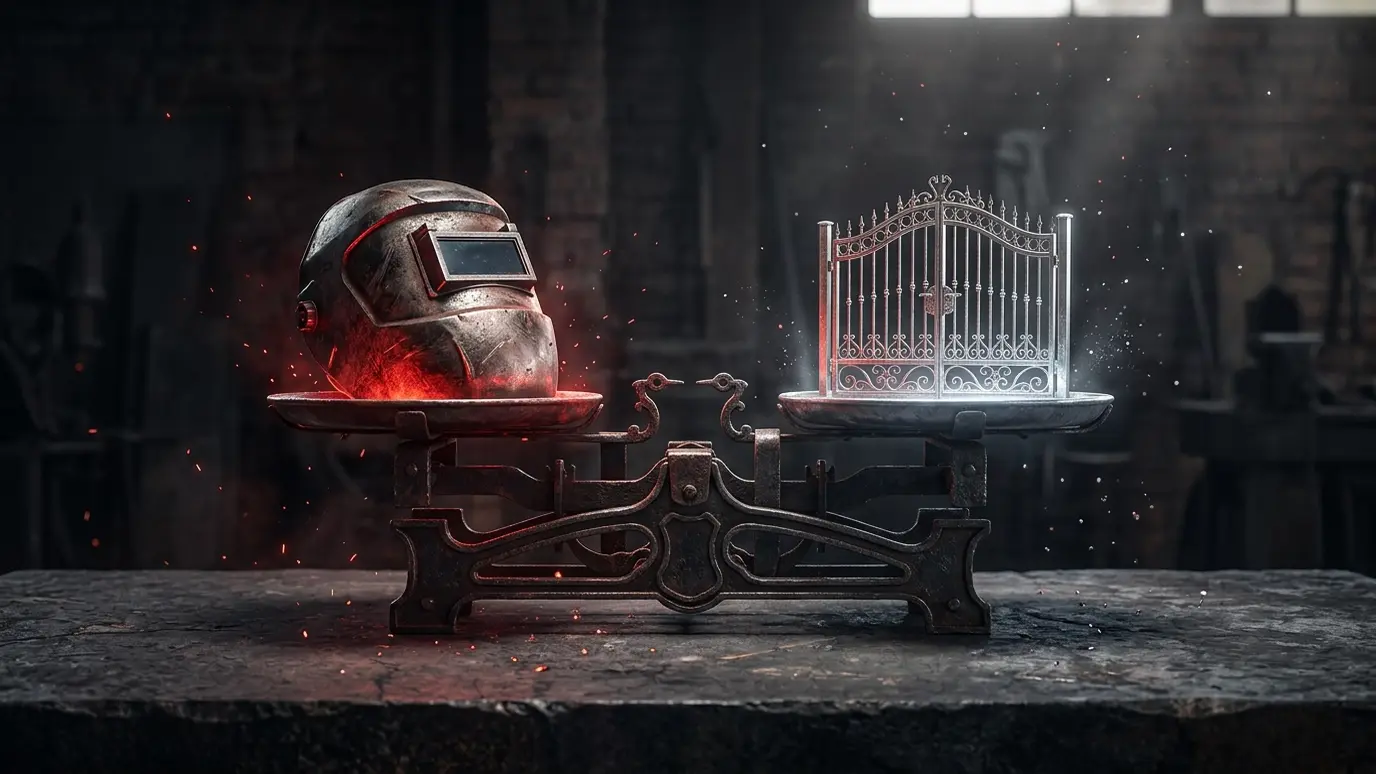
Cast iron is strong in compression but brittle, and it does not forgive a hot, fast weld. It cracks when it cools too quickly. Repairing it takes patience: controlled heat, short passes, peening and slow cooling, so the repair does not create a new crack beside the old one.
We repair cracked engine blocks and housings where practical, machine bases, farm equipment castings, stove and fireplace parts, antique tools, ornamental pieces and more. Because cast iron varies, we test the material and tell you honestly if a repair is likely to succeed.
Preheating and slow cooling keep stresses low. Short weld passes and peening relieve tension as the metal shrinks.
Gray, ductile and malleable iron behave differently, and old castings may be contaminated with oil. We identify the type and clean the area thoroughly before welding.
Some castings are too oily, thin or fragile to repair reliably. We say so up front rather than attempt a weld that will fail.
A repaired casting is best treated gently for a while. Avoid sharp blows and rapid temperature changes, and let it warm and cool slowly in use.
Drag the handle to compare.
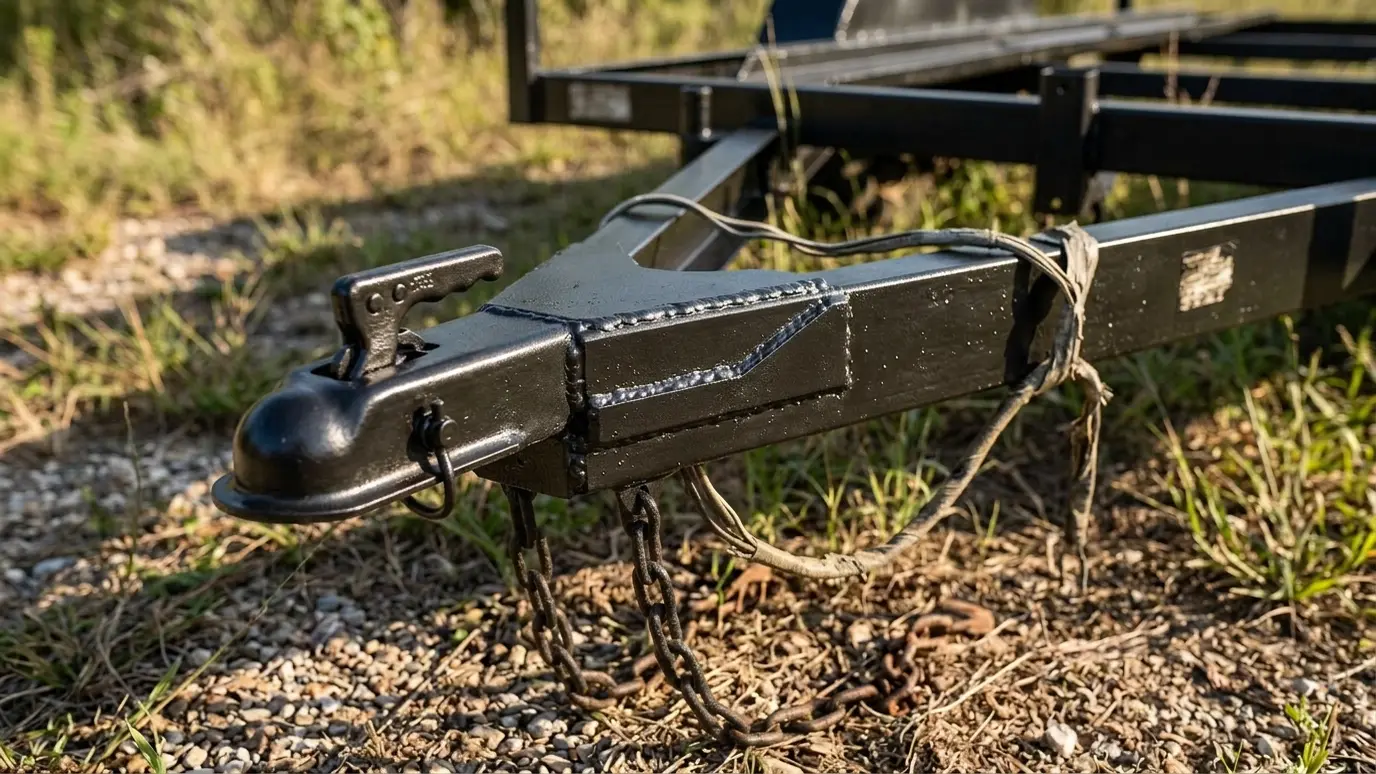
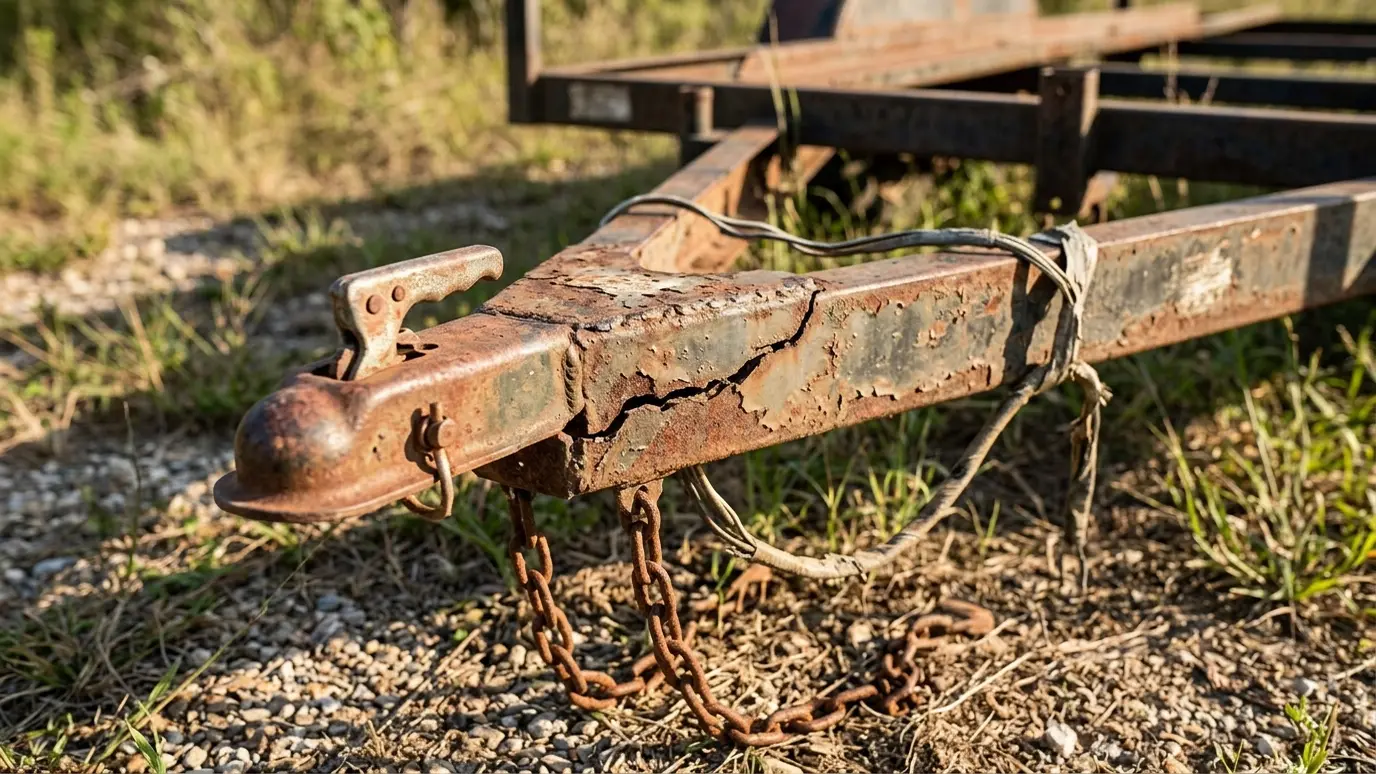 BeforeAfter
Preheat, short passes and peening.
Gray, ductile or malleable iron.
Housings, bases, stoves and antiques.
Reduces stress and cracking.
Delicate pieces handled with care.
We tell you if repair is unlikely to hold.
Every topic has its own page with what to expect and how we approach it.
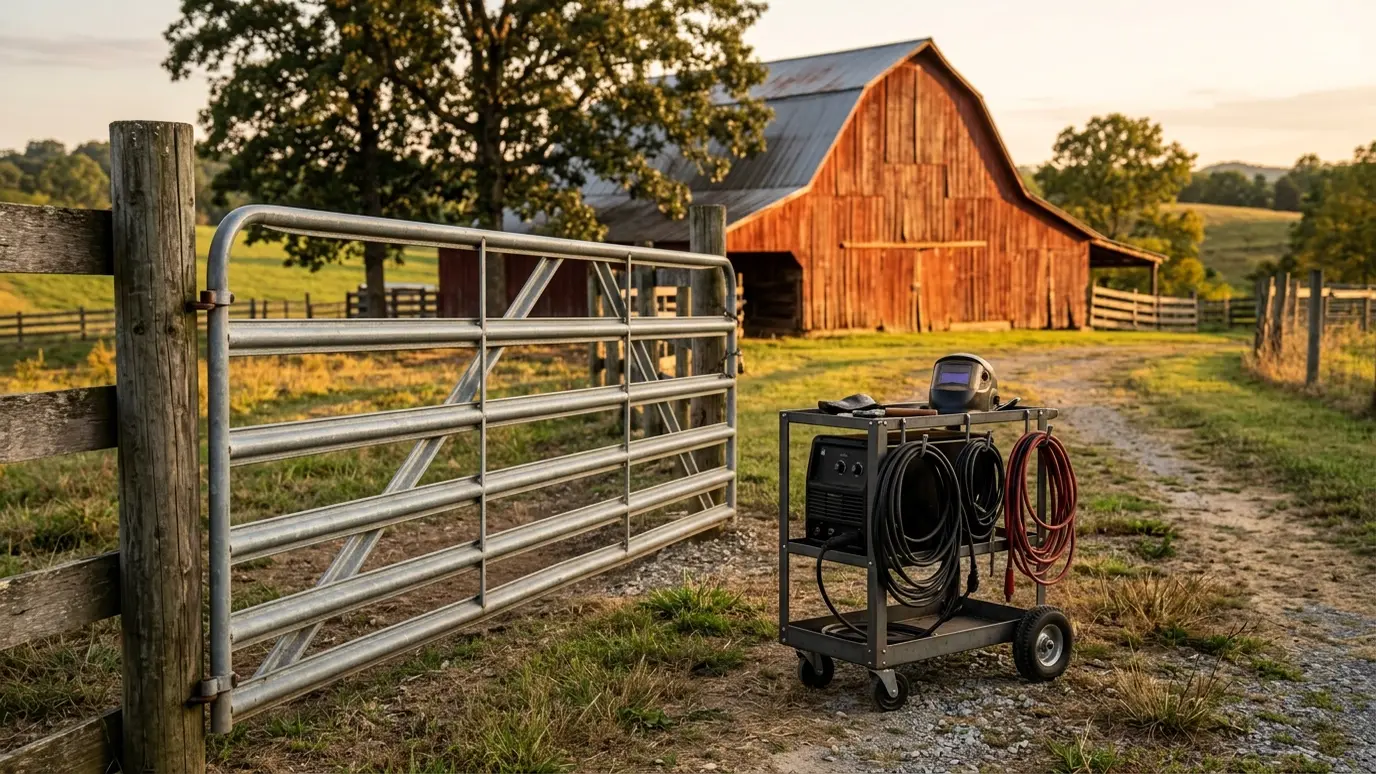 SituationFarm and RanchGates, feeders, trailers and implements fixed in the barn lot or the field, with repairs planned around the…Learn more
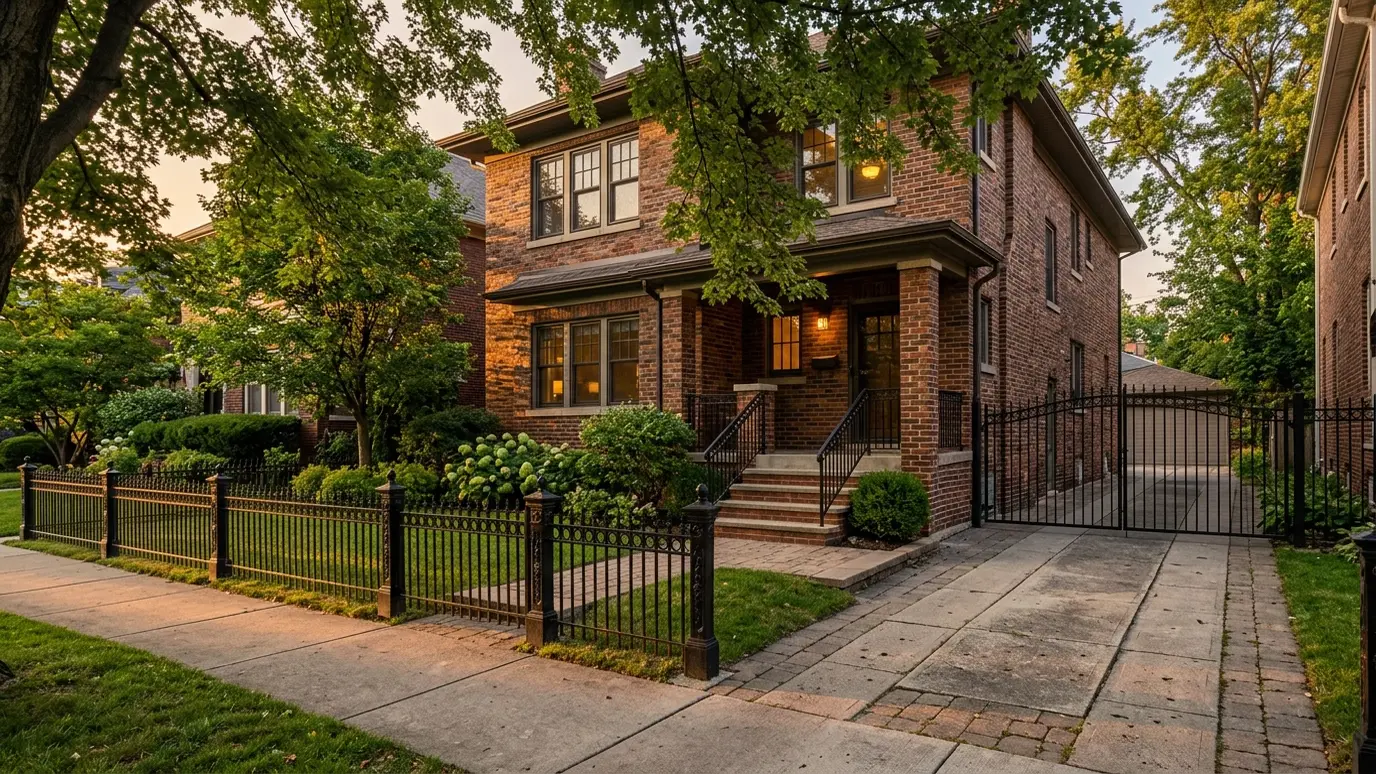 SituationHomeowner ProjectsGates, railings, fences, fire pits and repairs around the house, handled in your driveway without a trip to…Learn more
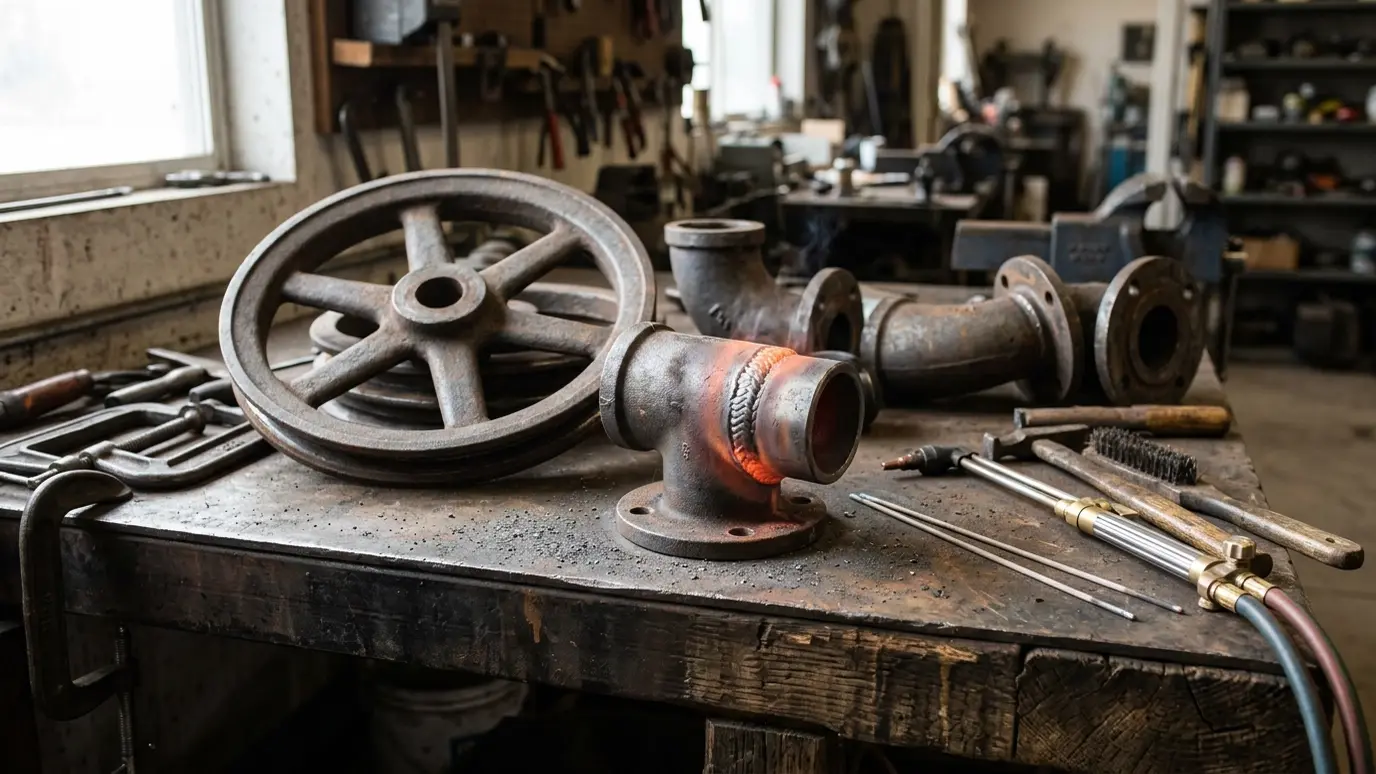 Metal guideCast IronBrittle but strong in compression: why cast iron needs slow heat, special rods and a patient approach to…Learn more
Pick the metal, thickness and location and see which welding processes suit the job.
Tell us what is broken or what you want built and send photos if you can. We plan the visit so the truck arrives ready.
We see the work, ask about the metal and access and give you a clear written price.
We agree a day and an arrival window, and call when we are on the way.
Work zone cleared, fire watch in place, then careful welding in the right process for the metal.
Welds ground, primed and painted, and the area left clean.
We walk through the finished work with you and note anything to watch.
Yes, with the right technique. Heat control and filler choice are what separate a lasting repair from a cracked one.
Often. We handle delicate castings carefully and tell you if the piece is too fragile or contaminated to repair.
Impact, thermal shock and overload are common causes. Knowing the cause helps us decide whether a repair will last.
Sometimes. It depends on the crack and the engine. We assess it and may recommend a specialist.
Avoid shocks and rapid heating or cooling. Use it as you normally would otherwise, and tell us if you notice new cracks.
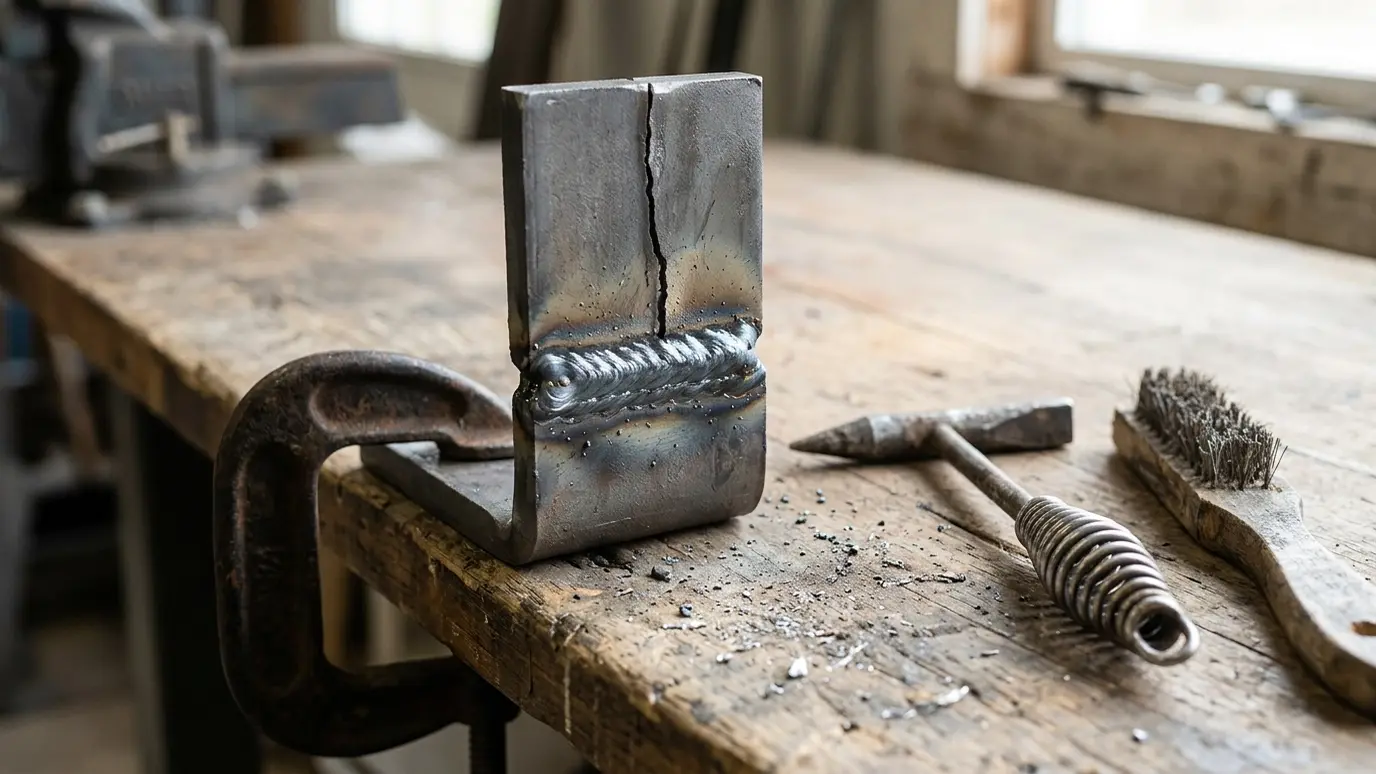 Welding RepairCracked, broken, worn or bent metal rebuilt to work again, with the cause found and fixed so the…Explore
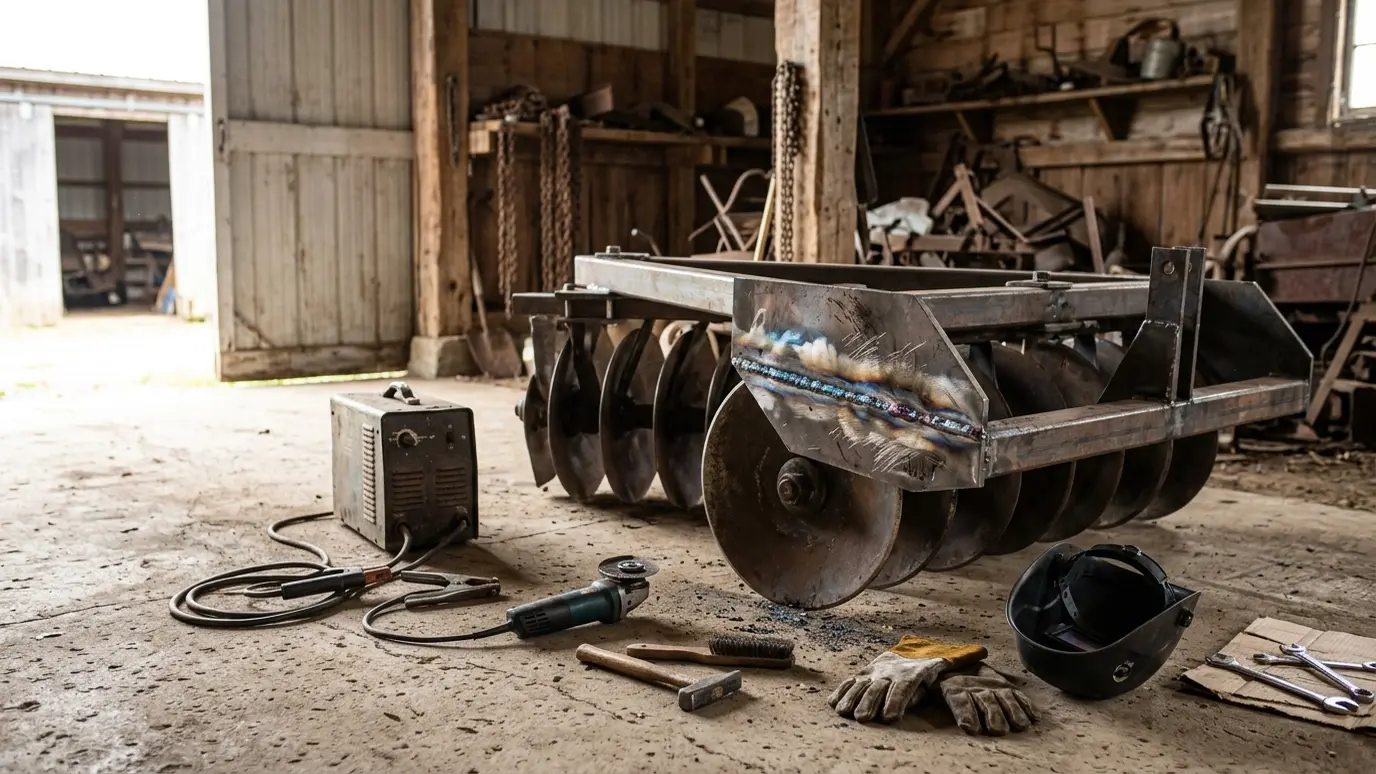 Farm Equipment RepairBroken hay spikes, gates, feeders, trailers and implements repaired in the barn lot or the field, so the…Explore
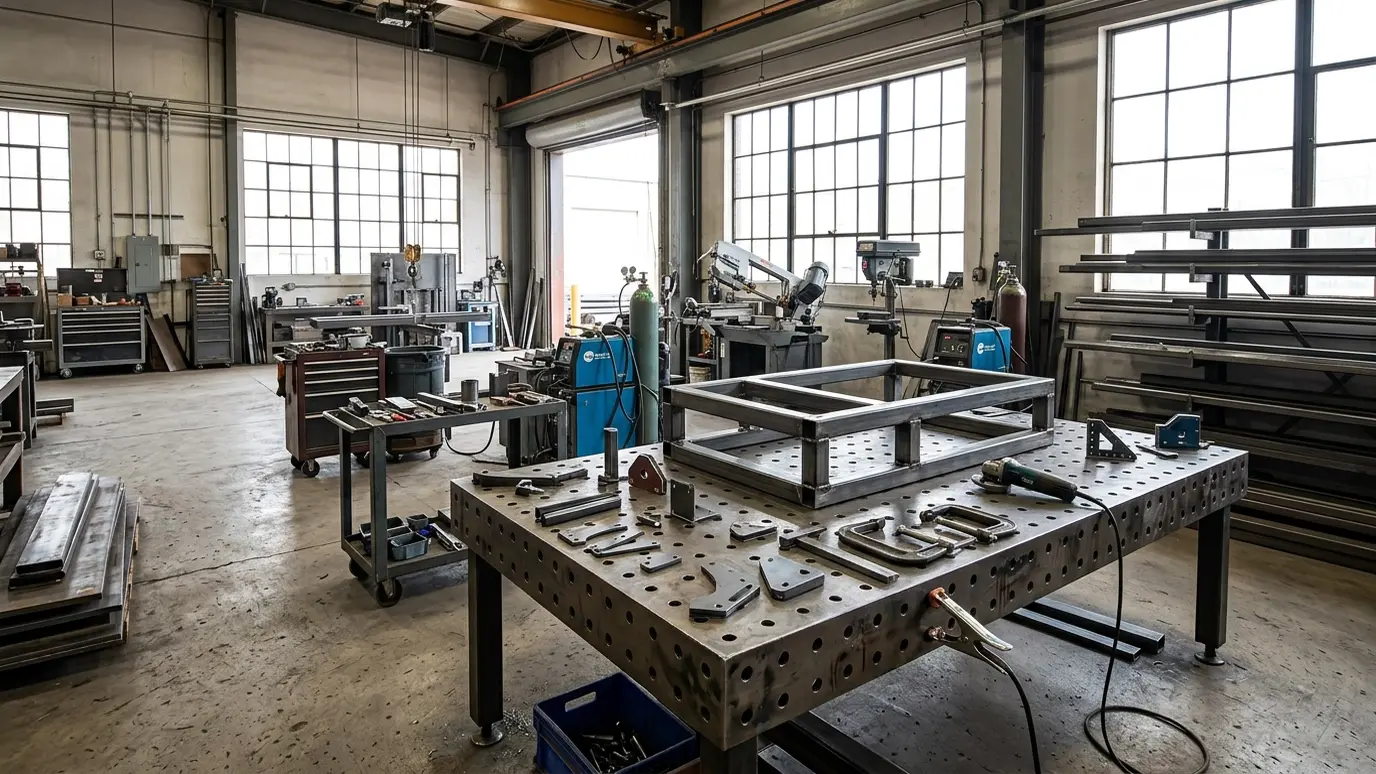 Custom FabricationOne-of-a-kind steel and aluminum parts, frames, enclosures and structures cut, formed and welded to your drawing, sketch or…Explore
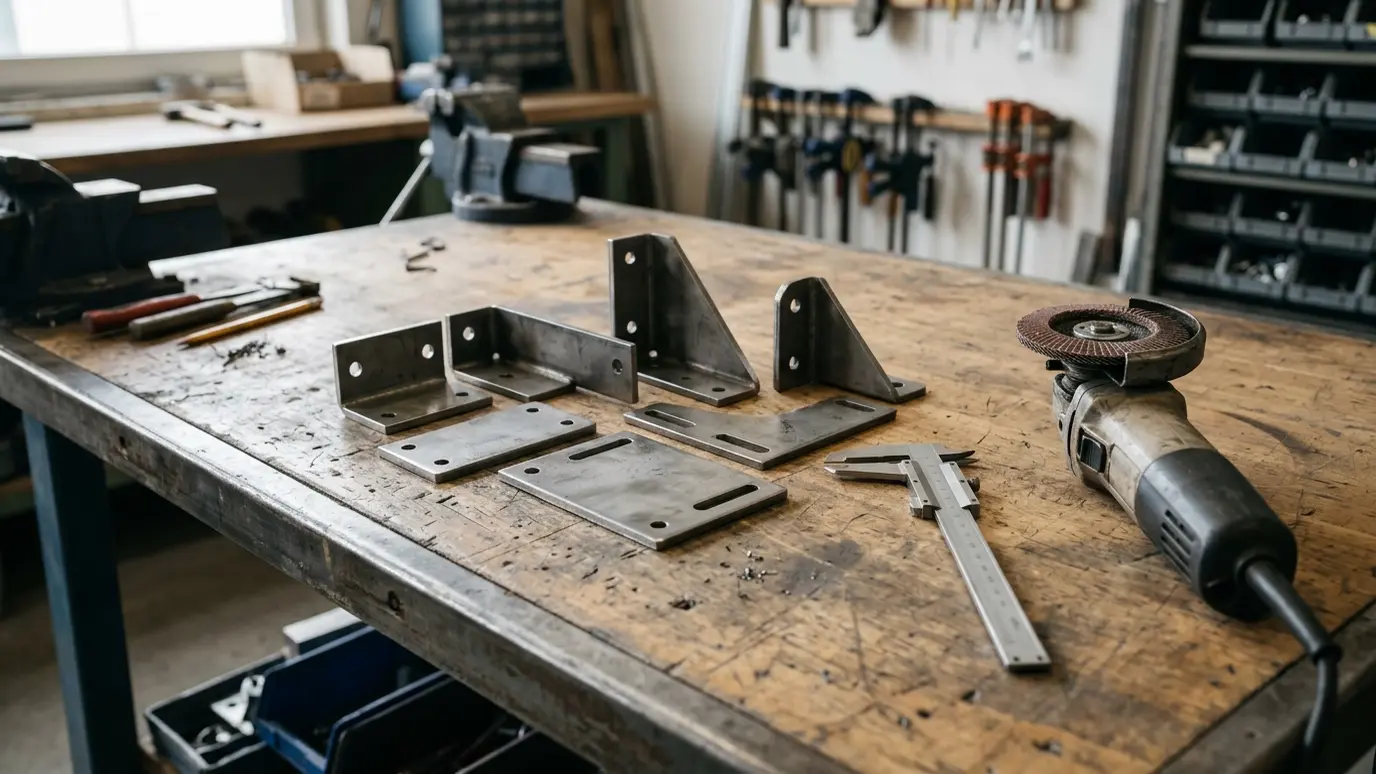 Brackets and PartsReplacement mounts, brackets, plates, hitches and one-off parts that are no longer sold, made to fit exactly.Explore
Tell us about the job and we will call you back quickly.
Or call (615) 357-7797 to talk now.