Pick metal thickness and process and see starting amperage, wire and rod choices.
These tools give planning-level estimates from typical values. They are not quotes, designs or engineering, and results depend on your actual metal, thickness, access, local rules and conditions. Only a visit can confirm what a job needs, and we give you a clear price before any work begins.
MIG, flux-core, stick or TIG.
Steel, stainless or aluminum.
From thin sheet to thick plate.
Amperage range, wire or rod size and gas.
No. They are typical starting ranges. Machines, joints and positions change what works, so test on scrap first.
It carries heat away quickly, so it needs more power for the same thickness.
No. Critical and code work follows qualified procedures, not general charts.
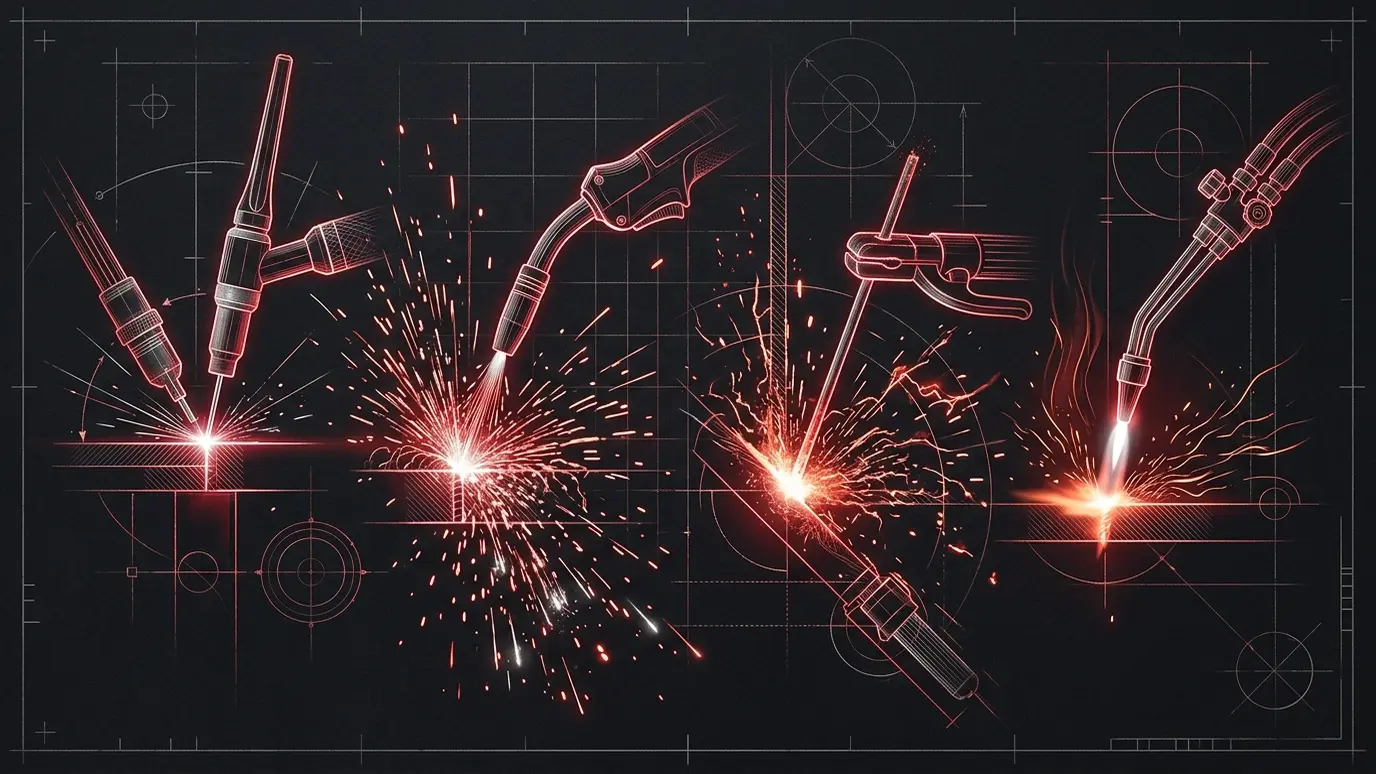 Welding Process PickerPick the metal, thickness and location and see which welding processes suit the job.Try it
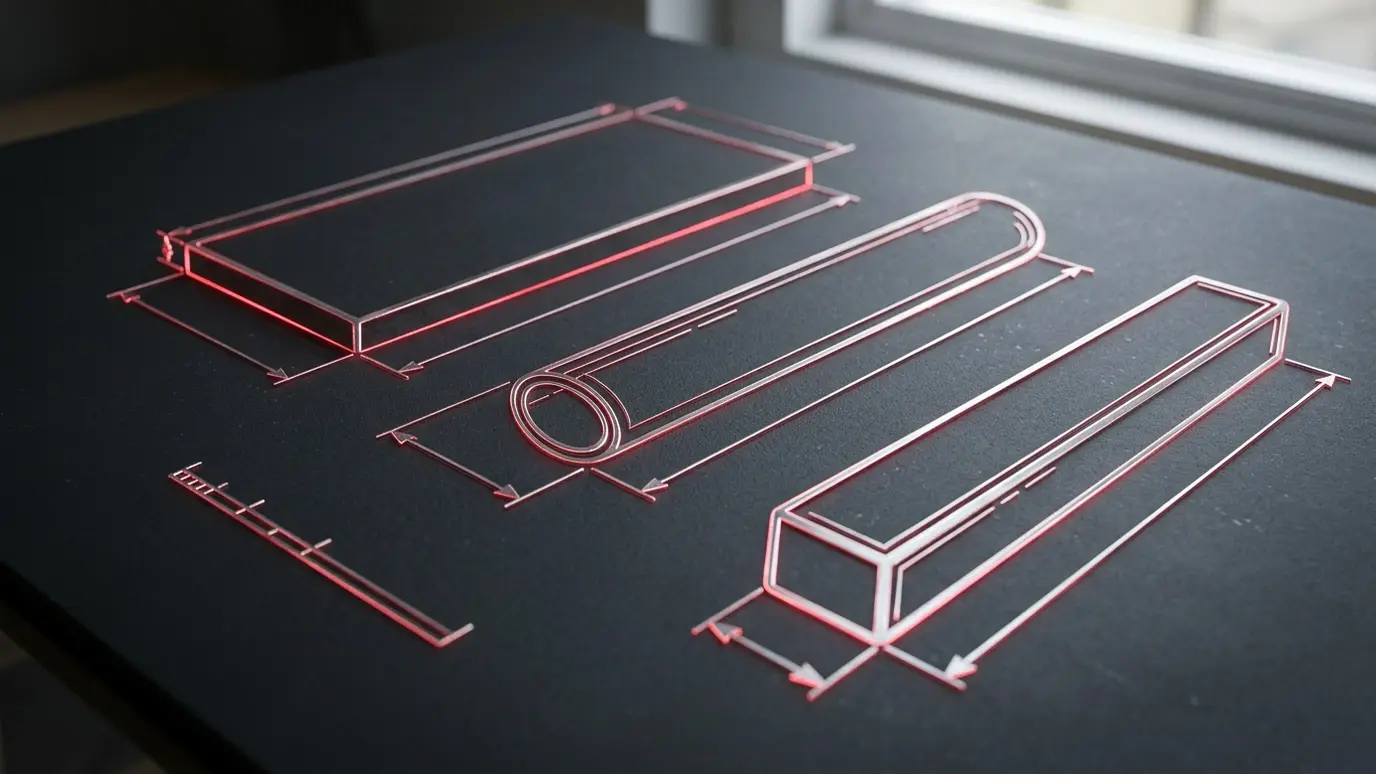 Steel Weight and Material CalculatorEnter a shape and its size and see weight, stock lengths and how much steel to order.Try it
 Welding Cost EstimatorPick a project and a size and get a ballpark planning range.Try it
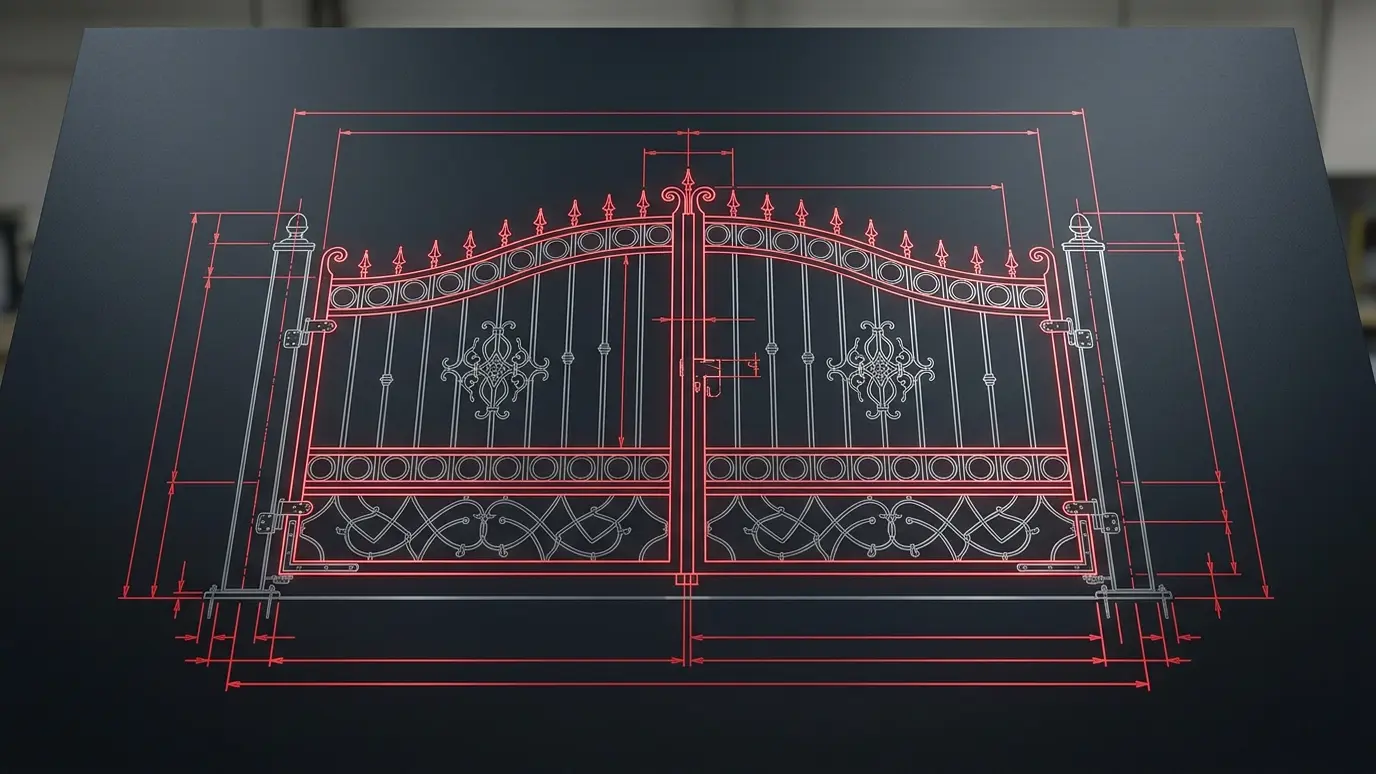 Gate Size and Hardware PlannerEnter your opening and gate type and see leaf width, posts, hinges and track length to plan for.Try it
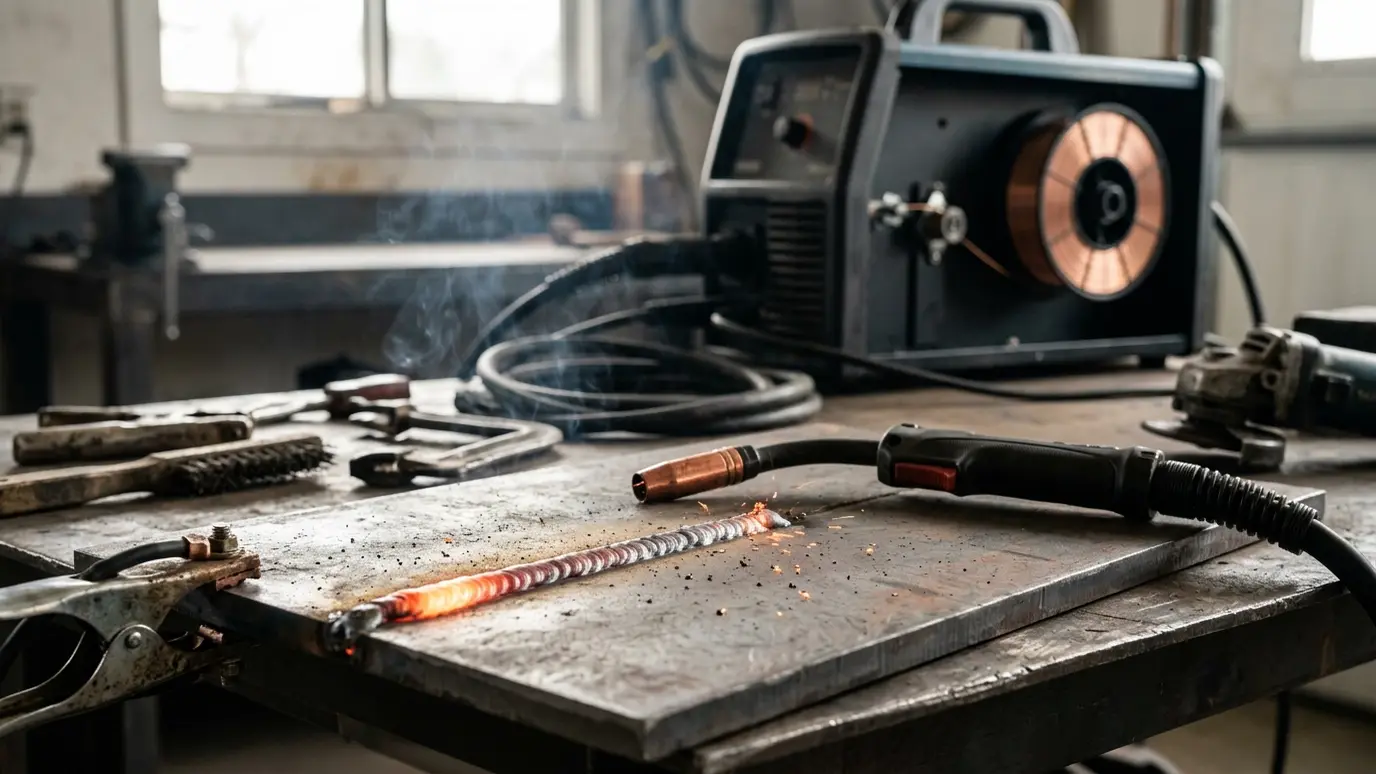 MIG WeldingFast, clean wire-feed welding for steel, stainless and aluminum, ideal for fabrication, repairs and production-style runs.Explore
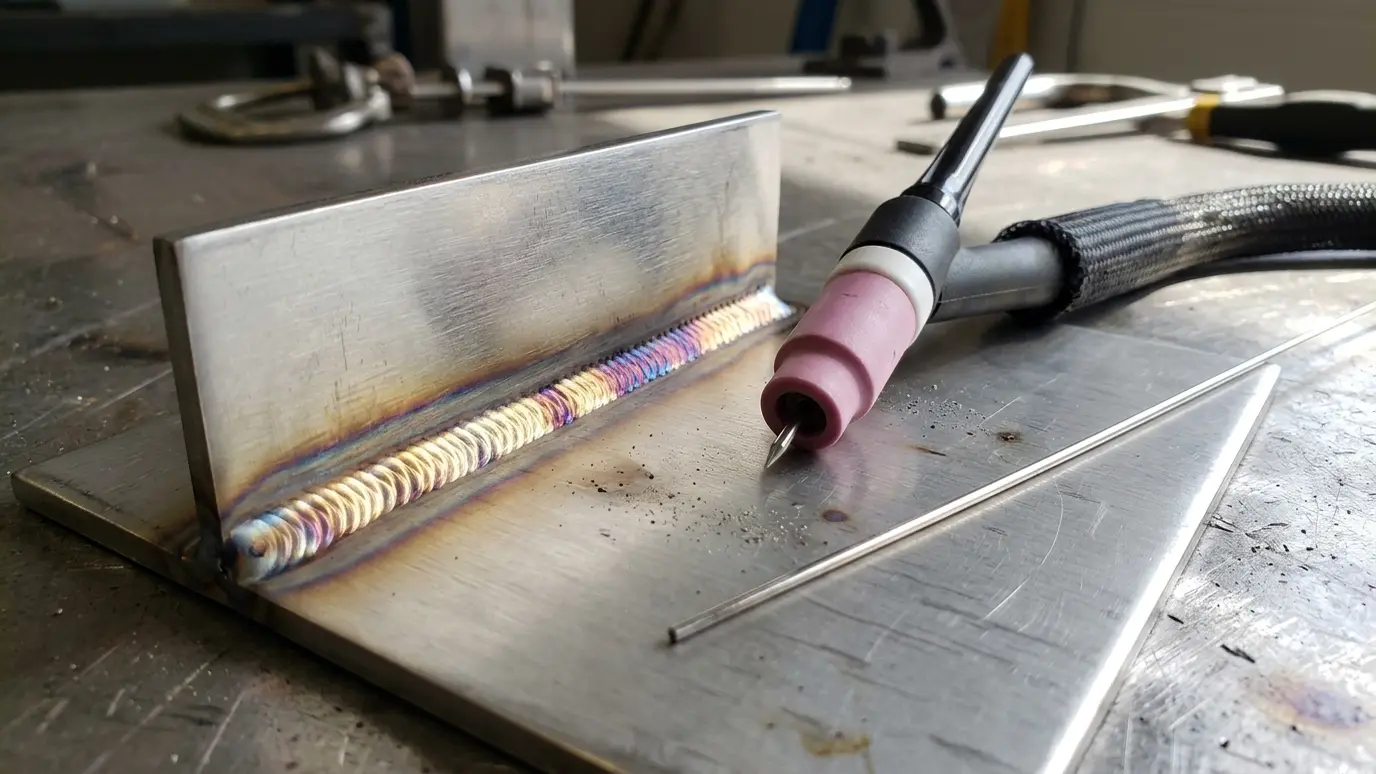 TIG WeldingPrecise, beautiful welds on thin stainless, aluminum, chromoly and exotic metals, where appearance and control matter most.Explore
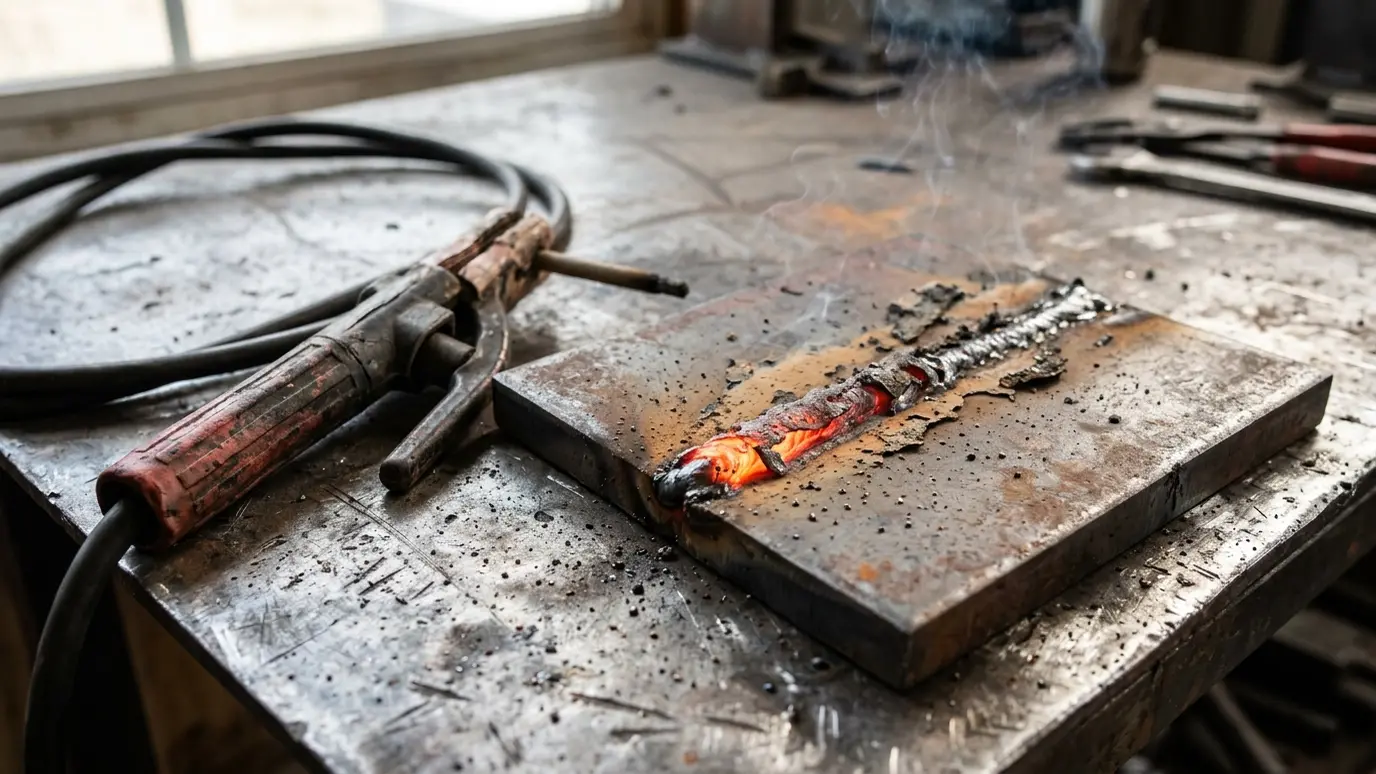 Stick WeldingRugged, wind-tolerant welding for thick steel, rusty parts, outdoor jobs and structural repairs where reliability matters.Explore
Quick scheduling, careful work and a clear price before we start.