MIG: fast and clean
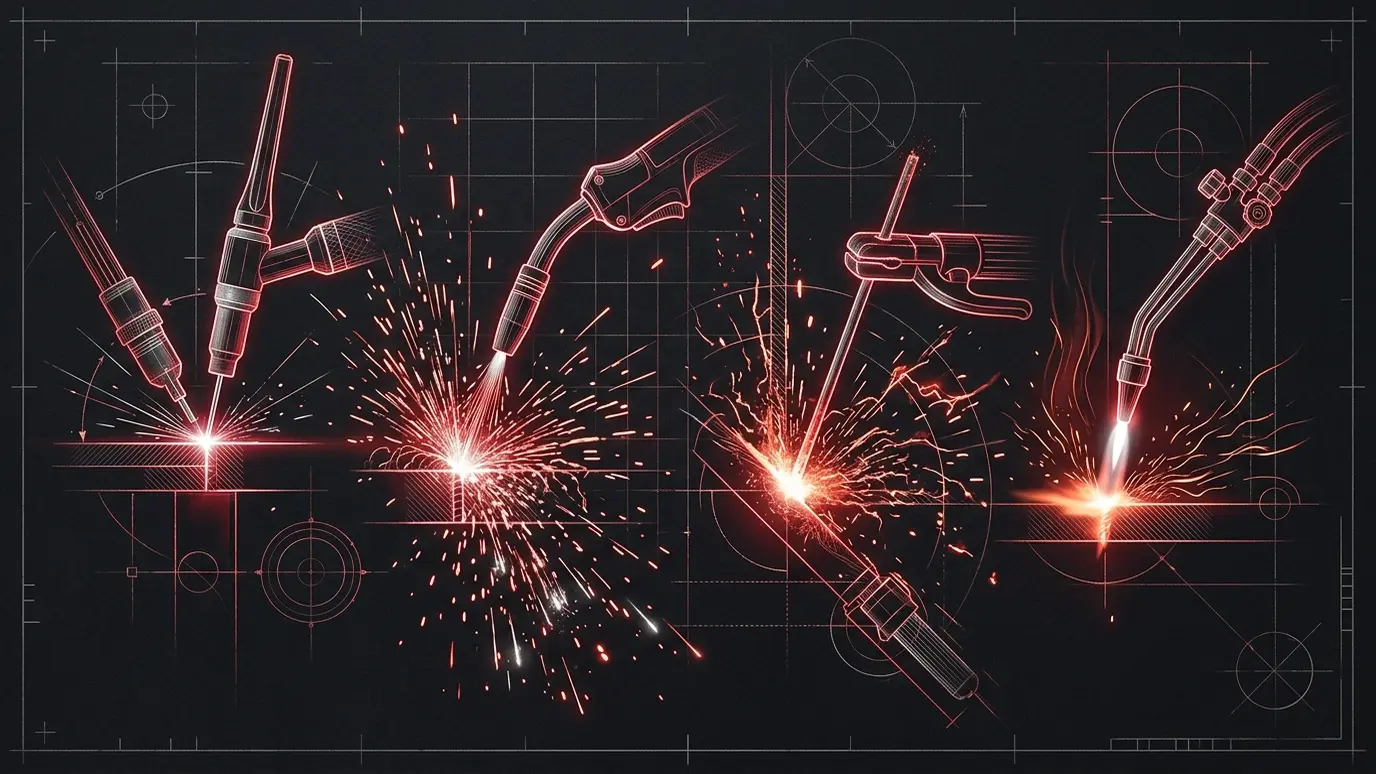
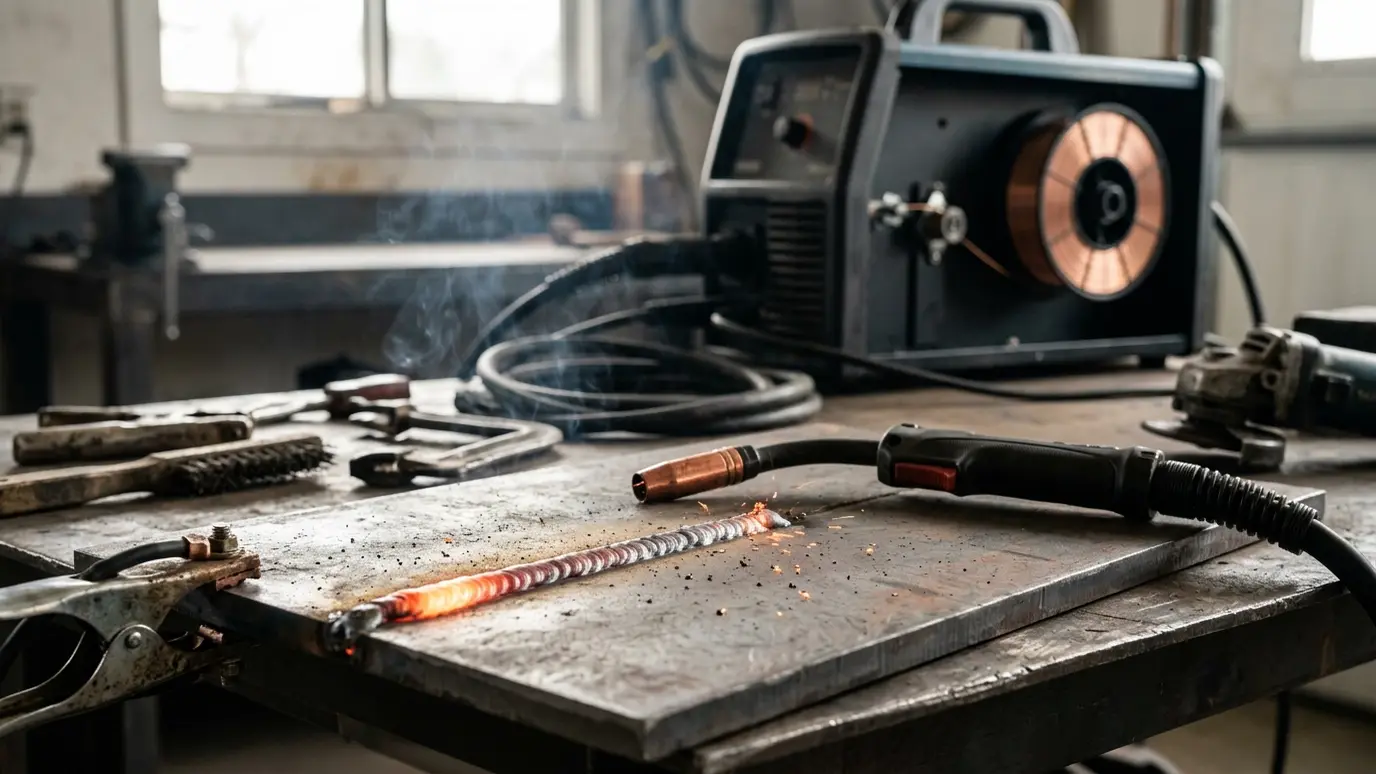
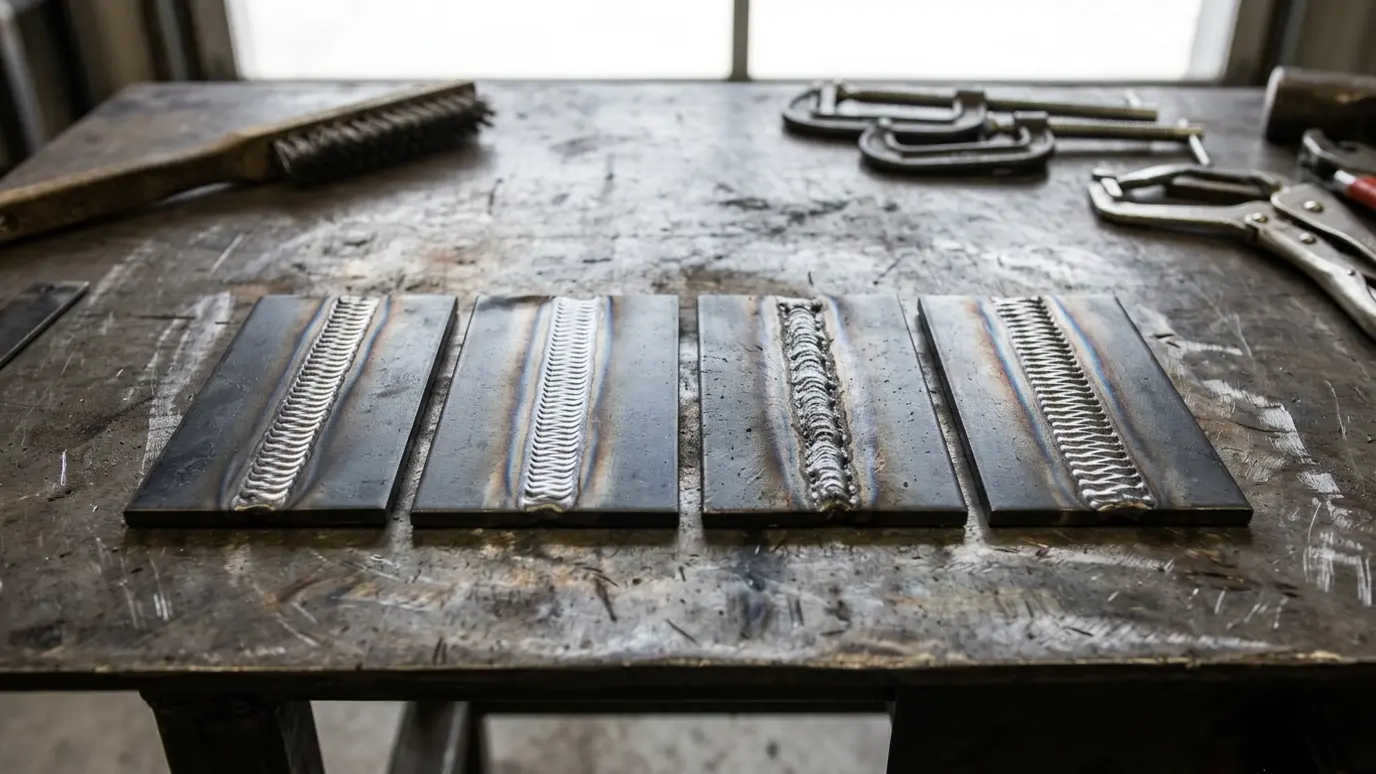
MIG feeds a wire through a gun with shielding gas. It is quick, tidy and good on thin to medium steel, stainless and aluminum. Wind can blow the gas away, so it suits sheltered spots best.
TIG: precise and beautiful
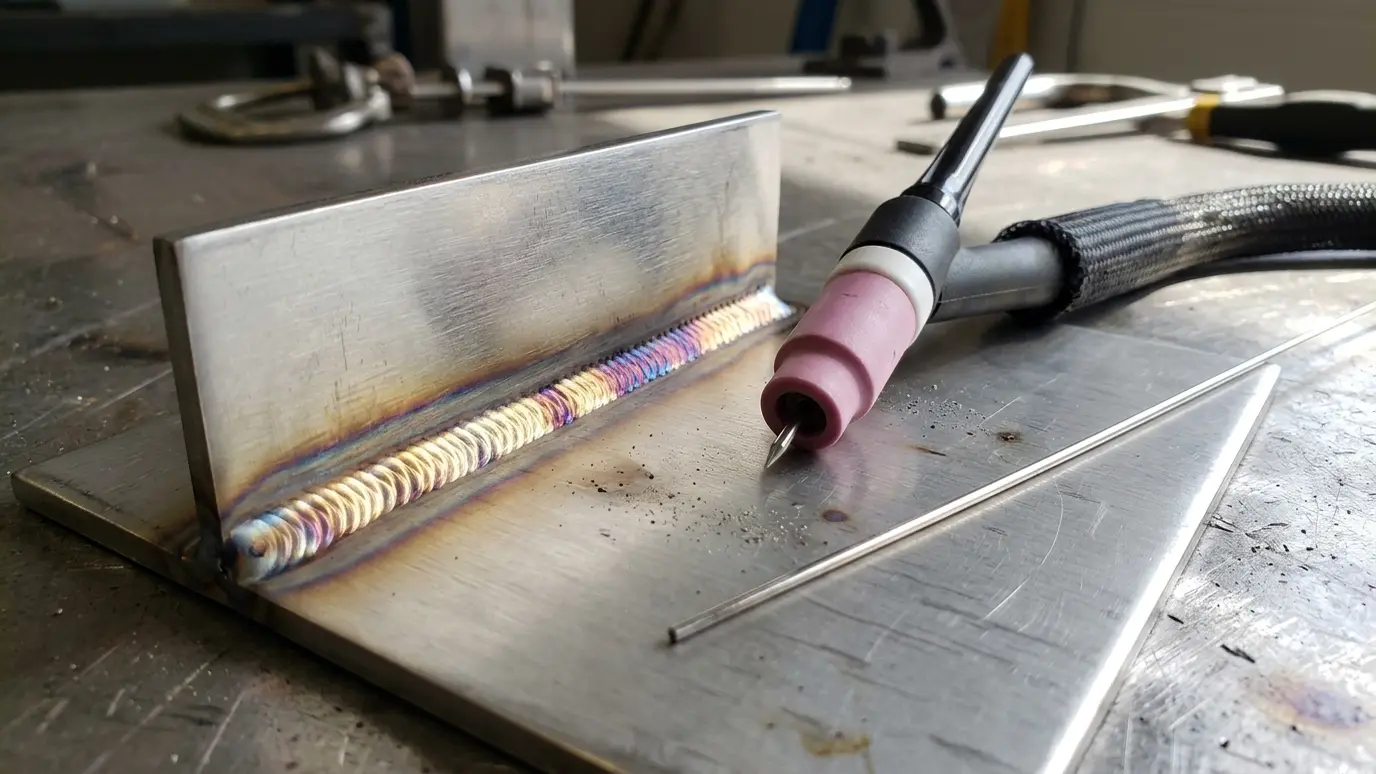
TIG uses a tungsten electrode and hand-fed filler. It gives the finest control and the cleanest welds on thin or delicate metal. It is slower and demands very clean surfaces.
Stick: rugged and outdoors
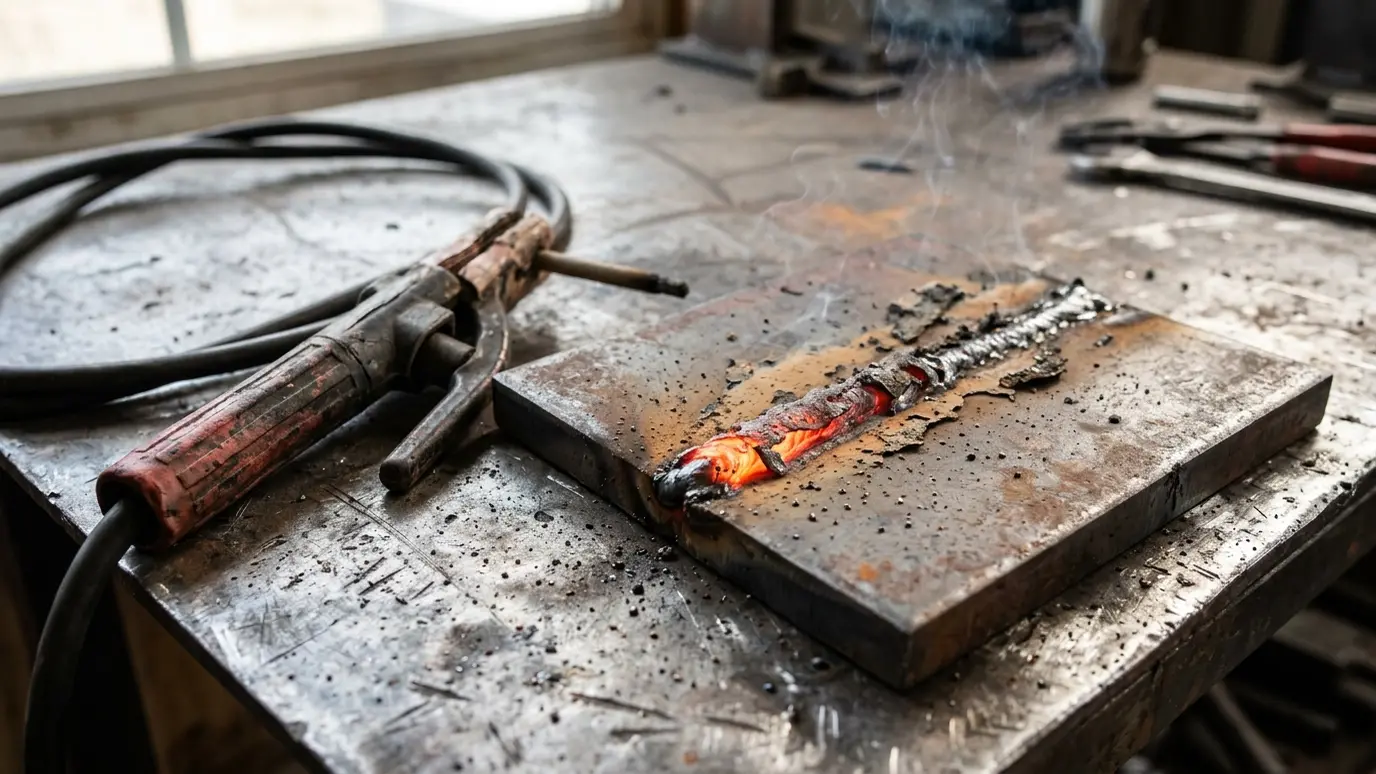
Stick uses a flux-coated rod and needs no bottled gas. It works in wind, on rusty or dirty steel and on thick sections. It is a favorite for farm and structural repairs.
Flux-core: power and portability
Flux-cored wire carries its own shielding in the core. It welds thick steel outdoors with a wire-feed machine and handles some wind, though it makes more spatter and slag.
Thickness and metal
Thin sheet suits MIG or TIG. Heavy plate suits stick or flux-core. Aluminum needs MIG with a spool gun or TIG. Stainless is well suited to TIG and MIG with the right gas.
Conditions decide
Wind, rust, position and appearance all influence the choice. A good welder is comfortable with several processes and picks the one that fits.
The best process is the one that suits the metal, the thickness and the conditions on the day.