Corrosion-resistant steel for kitchens, rails and tanks: how it welds, how it discolors and how to keep it clean and bright.
Stainless steel contains chromium, which forms a thin protective layer on the surface. That layer is why it resists rust and is easy to clean. Welding can disturb it, so technique and finishing matter if the weld is to resist corrosion like the rest of the part.
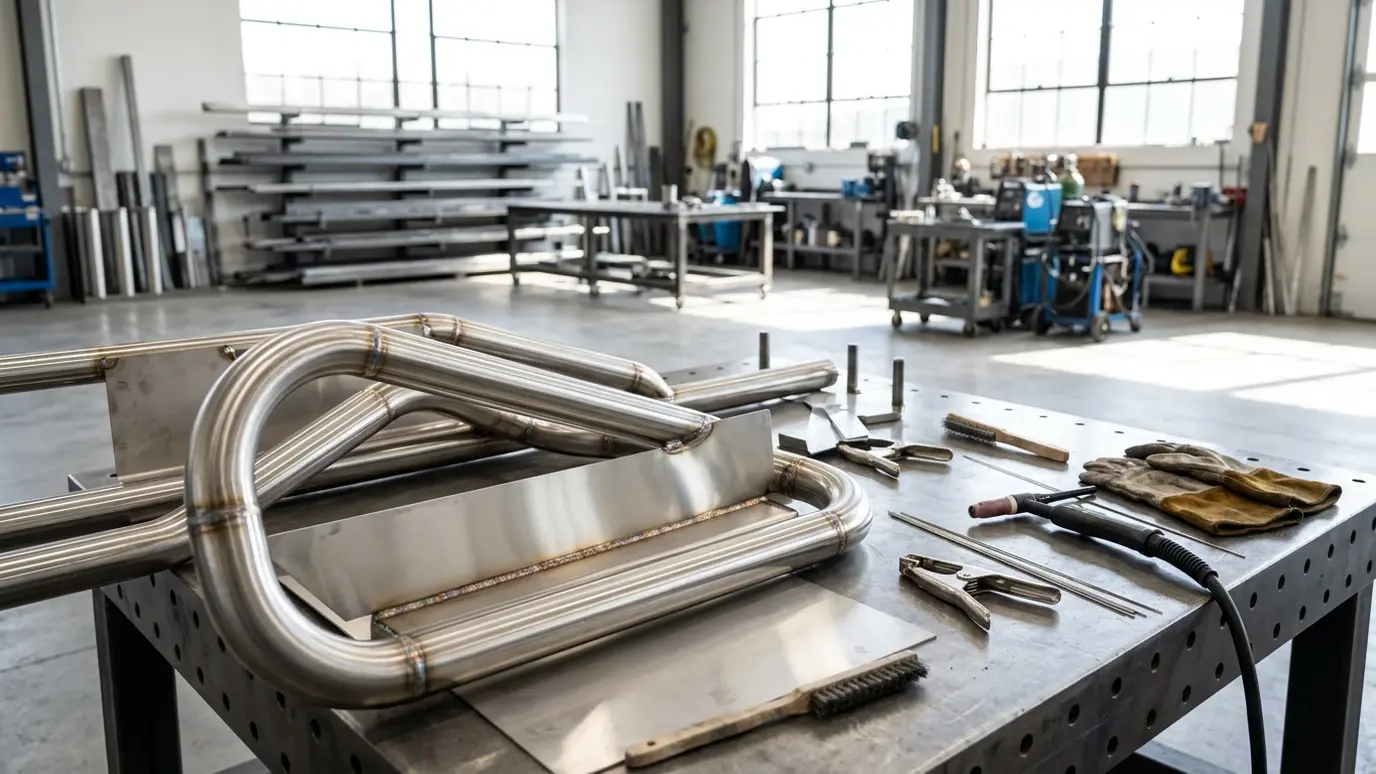
Common grades include 304 for general use and 316 for harsher settings. Stainless expands and distorts more than mild steel, so we use controlled heat, careful clamping and clean tools. After welding, grinding, polishing or passivating restores the finish.
A chromium layer protects the surface.
Smooth, cleanable surfaces.
Needs low, controlled heat.
304 and 316 behave differently.
Polished or passivated after welding.
Dedicated tools avoid rust spots.
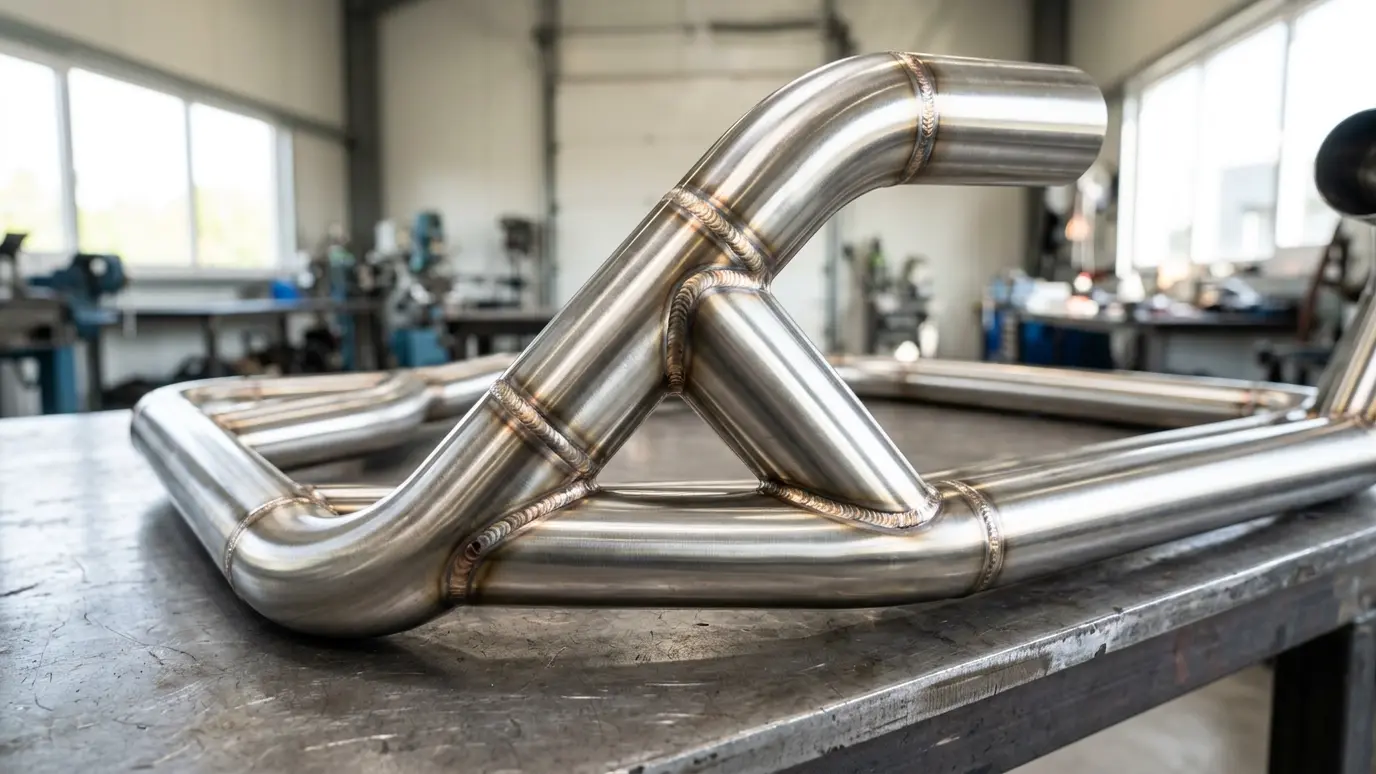 Stainless WeldingKitchen equipment, handrails, tanks, trim and custom stainless fabrication welded to stay clean, strong and corrosion resistant.Explore
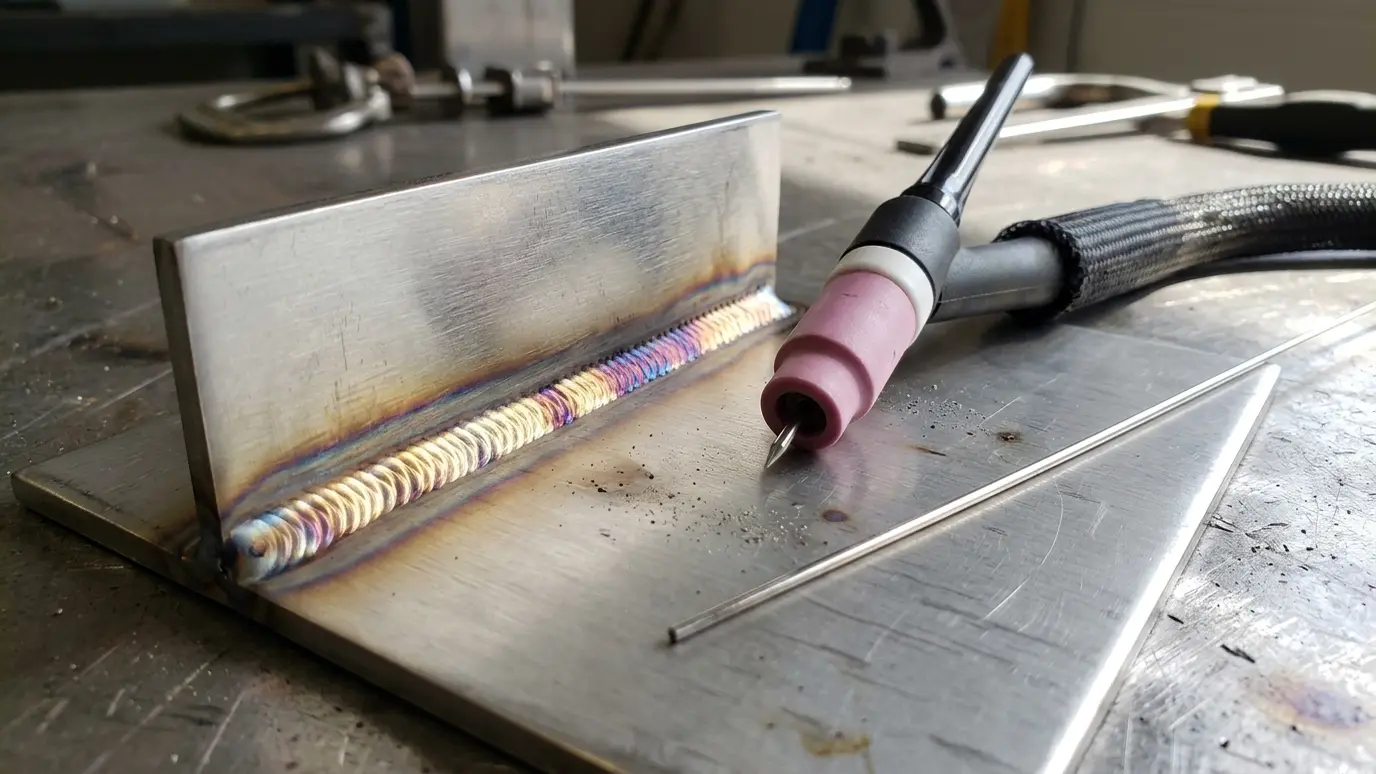 TIG WeldingPrecise, beautiful welds on thin stainless, aluminum, chromoly and exotic metals, where appearance and control matter most.Explore
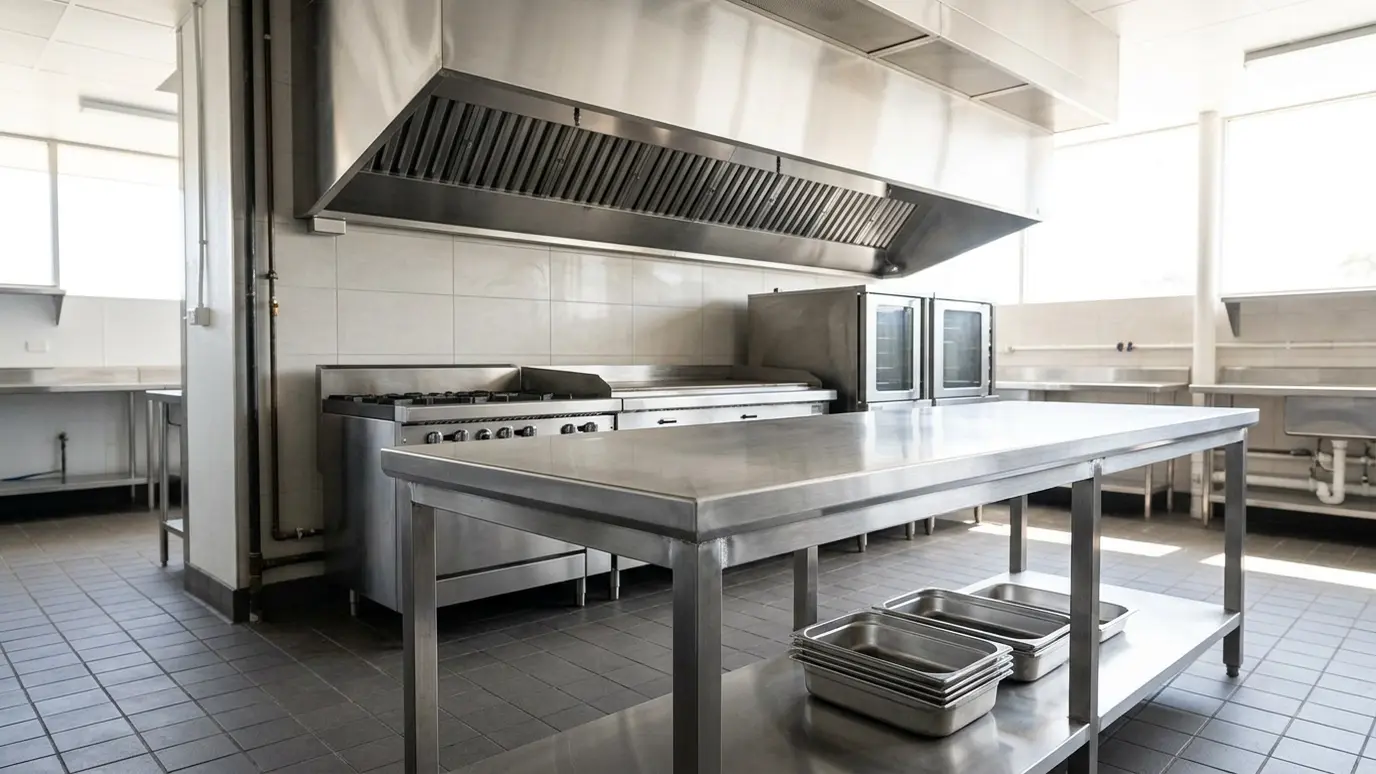 Restaurant EquipmentStainless tables, hoods, shelving, grease traps and equipment frames repaired or built to keep a kitchen working.Explore
Pick a welding process, size your steel or ballpark the cost.
 Welding Process PickerPick the metal, thickness and location and see which welding processes suit the job.Try it
 Steel Weight and Material CalculatorEnter a shape and its size and see weight, stock lengths and how much steel to order.Try it
 Welding Cost EstimatorPick a project and a size and get a ballpark planning range.Try it
316 adds molybdenum for better resistance to salt and chemicals. 304 is common for general use.
Heat tint from too much heat. It can be removed, and better heat control prevents it.
No. It resists rust well but can stain if contaminated or exposed to chlorides.
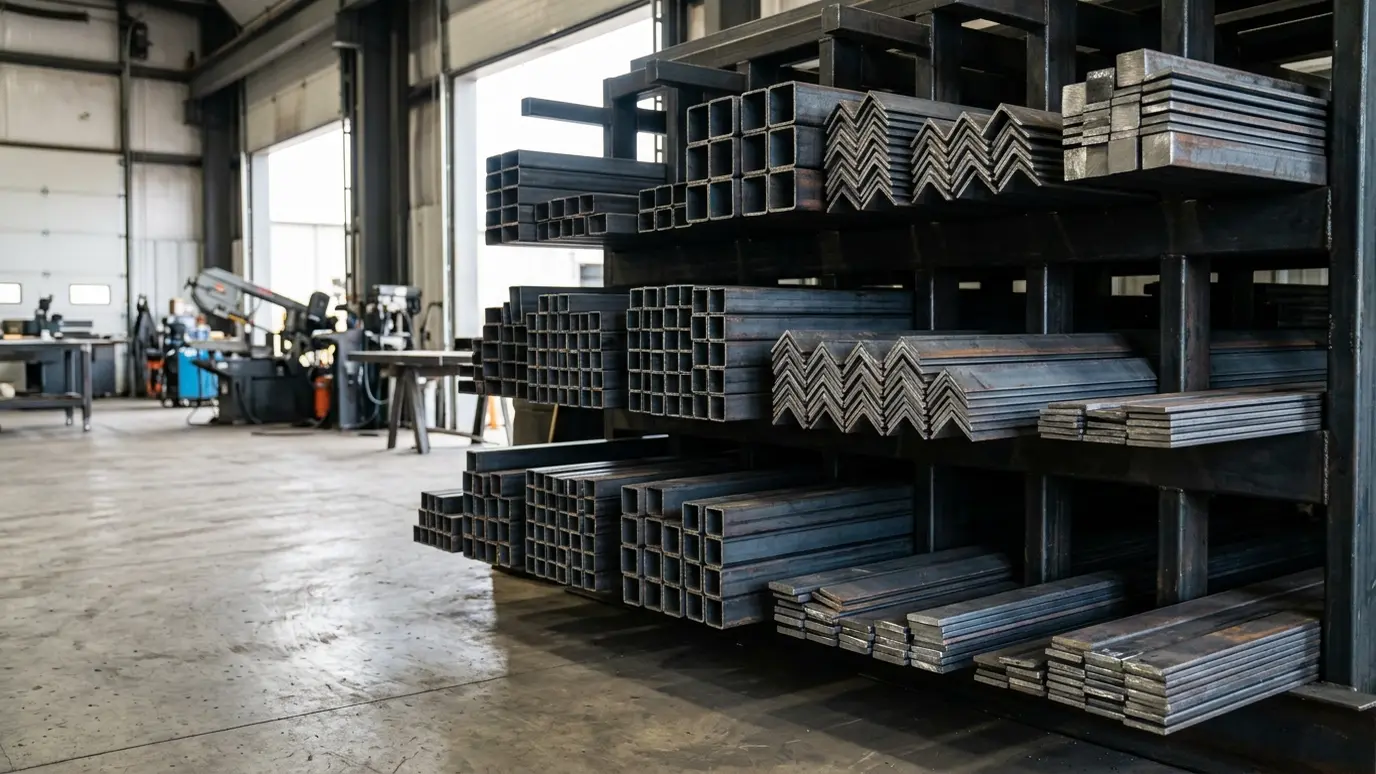 Metal guideMild SteelThe workhorse of welding: strong, affordable and forgiving, and the right choice for most gates, frames, railings and…Learn more
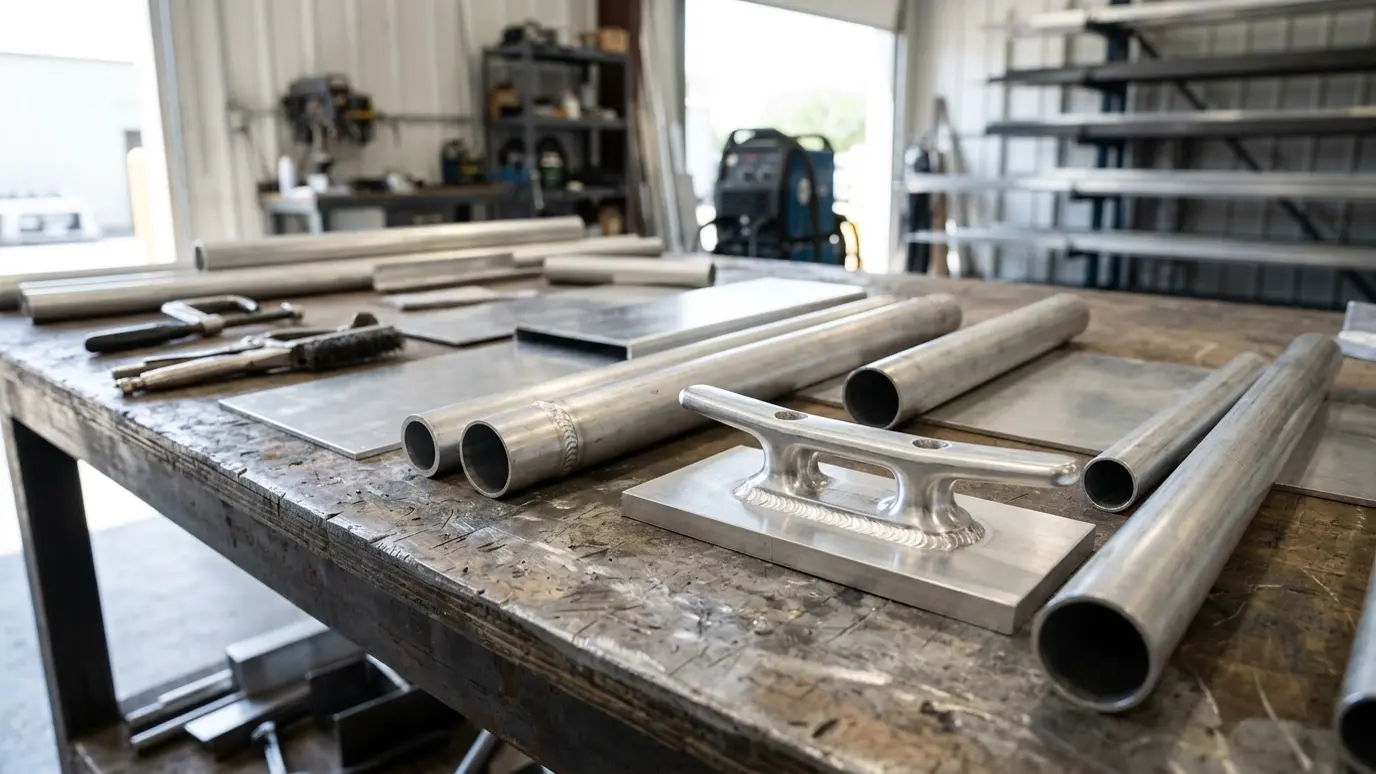 Metal guideAluminumLightweight and corrosion resistant: what makes aluminum special, which alloys weld well and where it is the best…Learn more
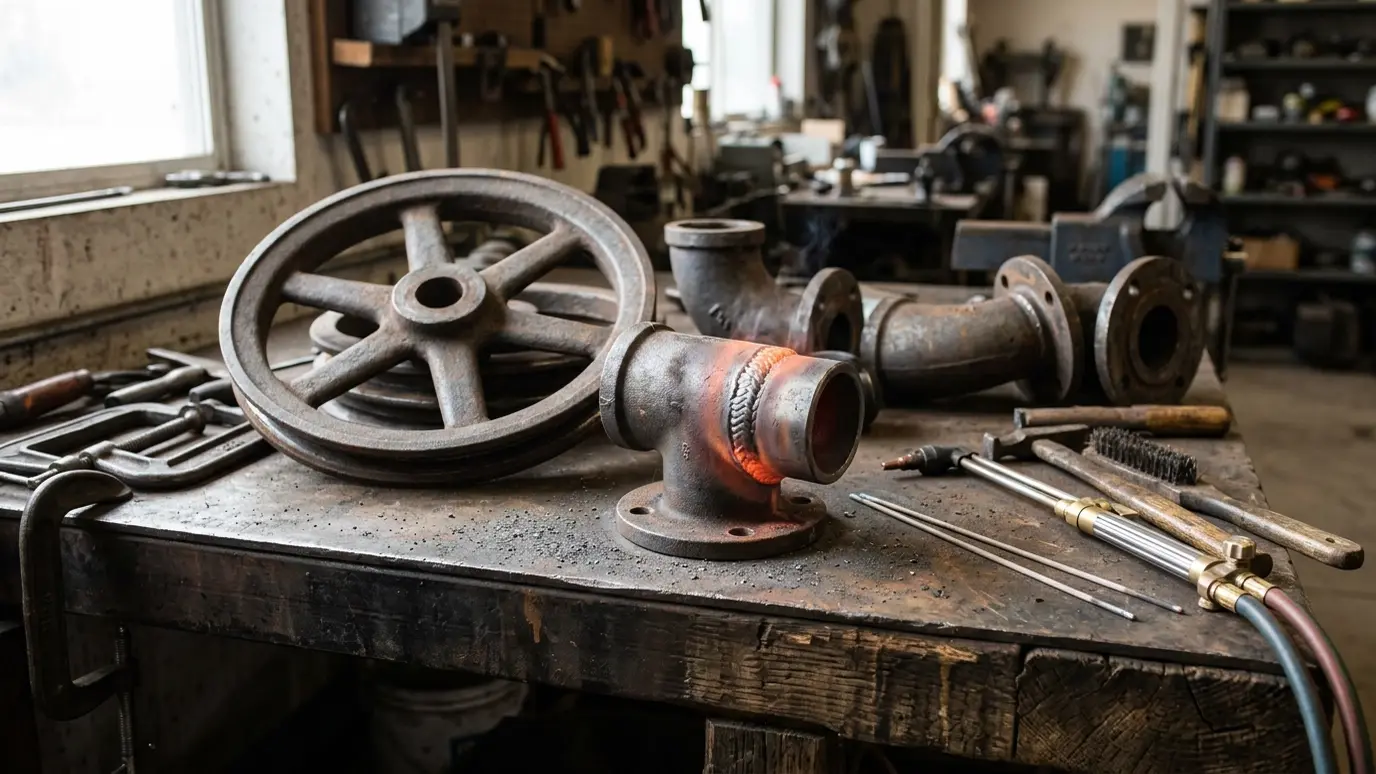 Metal guideCast IronBrittle but strong in compression: why cast iron needs slow heat, special rods and a patient approach to…Learn more
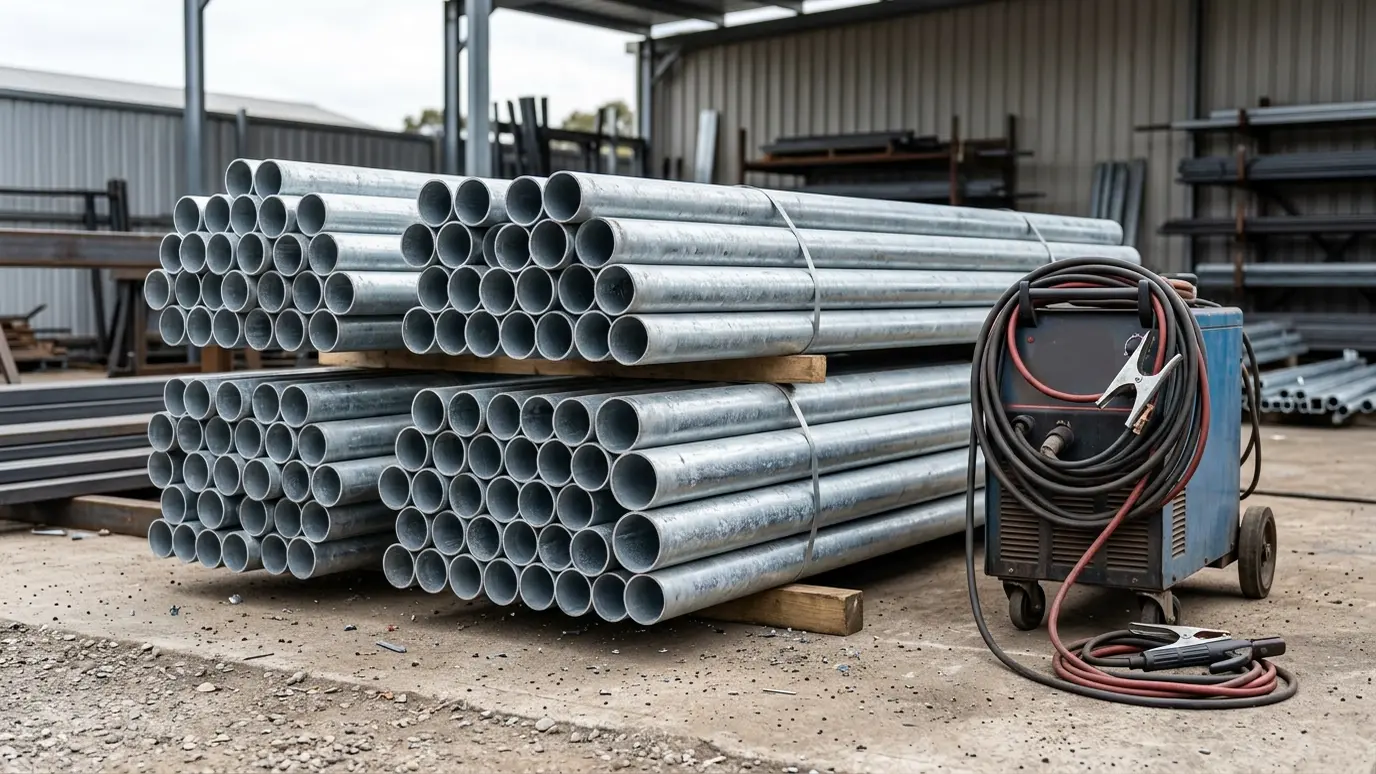 Metal guideGalvanized SteelZinc-coated steel resists rust but needs special care when welded: fumes, coating repair and finishing for lasting protection.Learn more
Quick scheduling, careful work and a clear price before we start.