Brittle but strong in compression: why cast iron needs slow heat, special rods and a patient approach to repair.
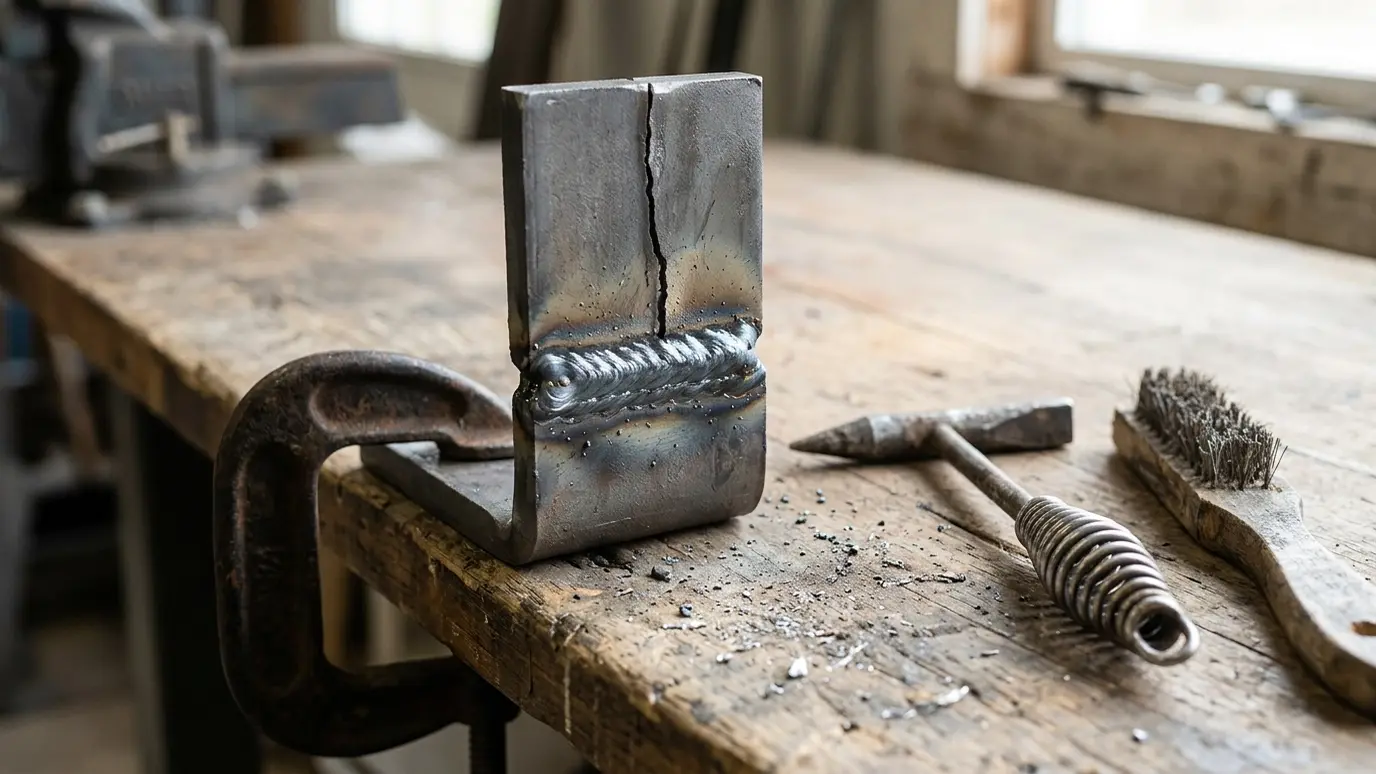
Cast iron is used in machine bases, engine blocks, stoves, pipes and antique ornaments. It is strong when squeezed but brittle when struck or heated unevenly, so it cracks rather than bends. That brittleness shapes how it must be repaired.
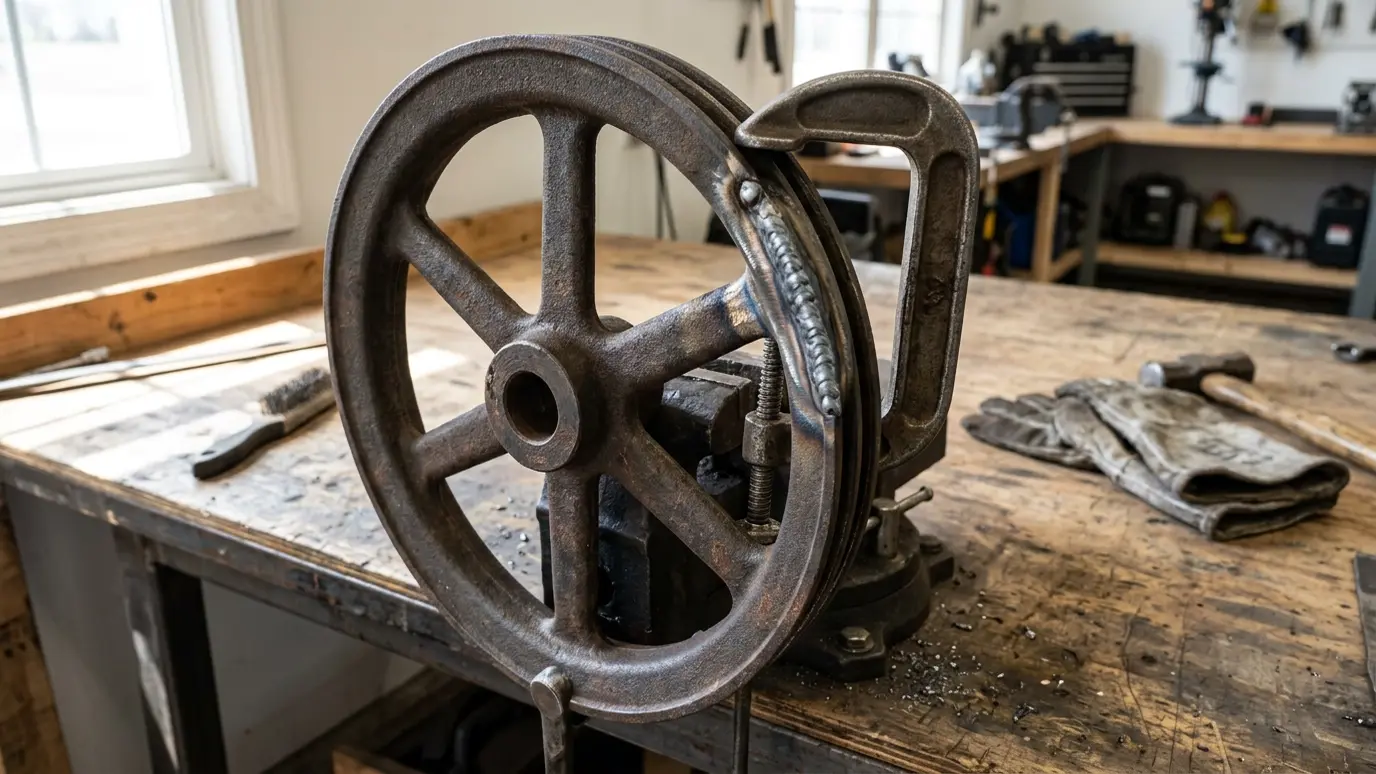
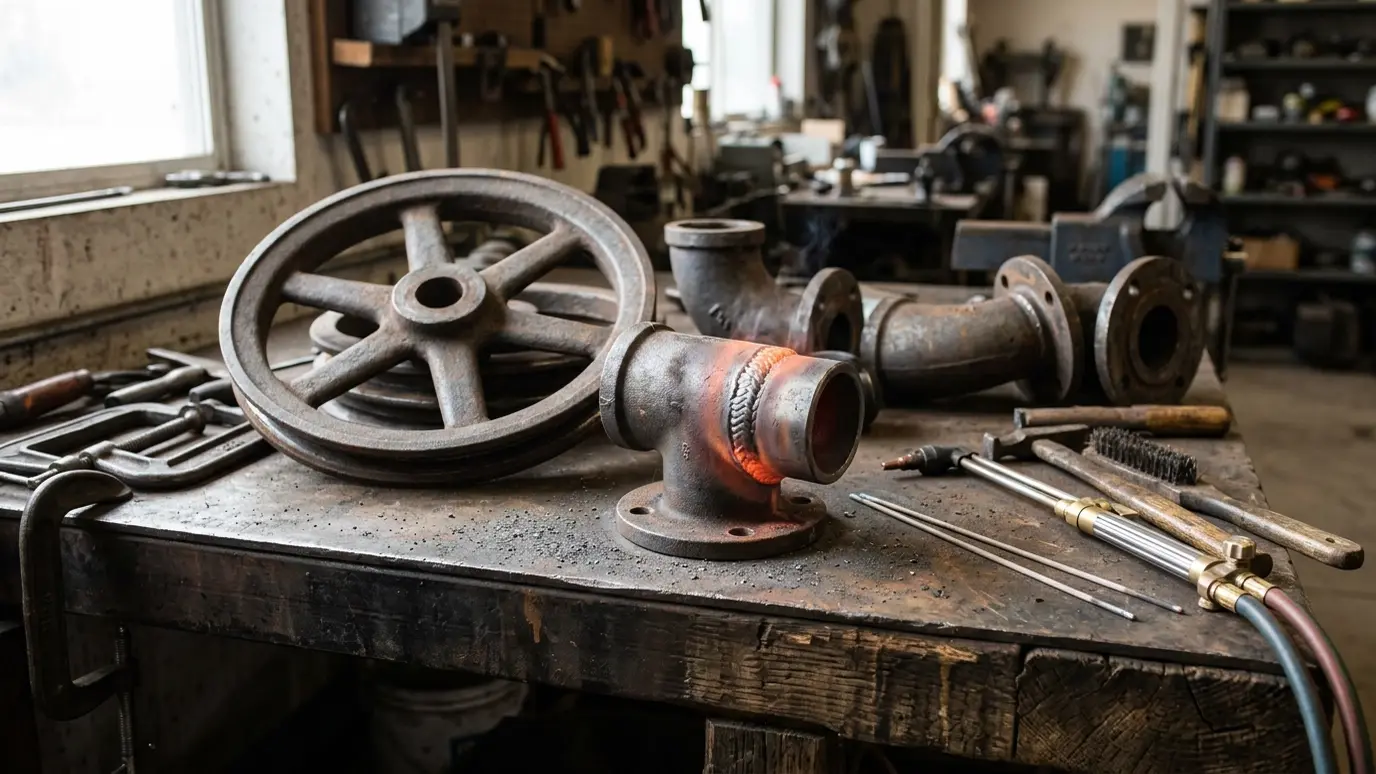
Successful repairs use controlled preheat, short weld passes, peening and slow cooling. Different types, such as gray, ductile and malleable iron, behave differently, and oily or old castings are harder to weld. We test and give candid advice about whether a repair is likely to last.
Cracks rather than bends.
Reduces stress and cracking.
Relieves tension in the weld.
Gray, ductile or malleable.
Contaminated castings resist welding.
We say when repair may not hold.
Pick a welding process, size your steel or ballpark the cost.
 Welding Process PickerPick the metal, thickness and location and see which welding processes suit the job.Try it
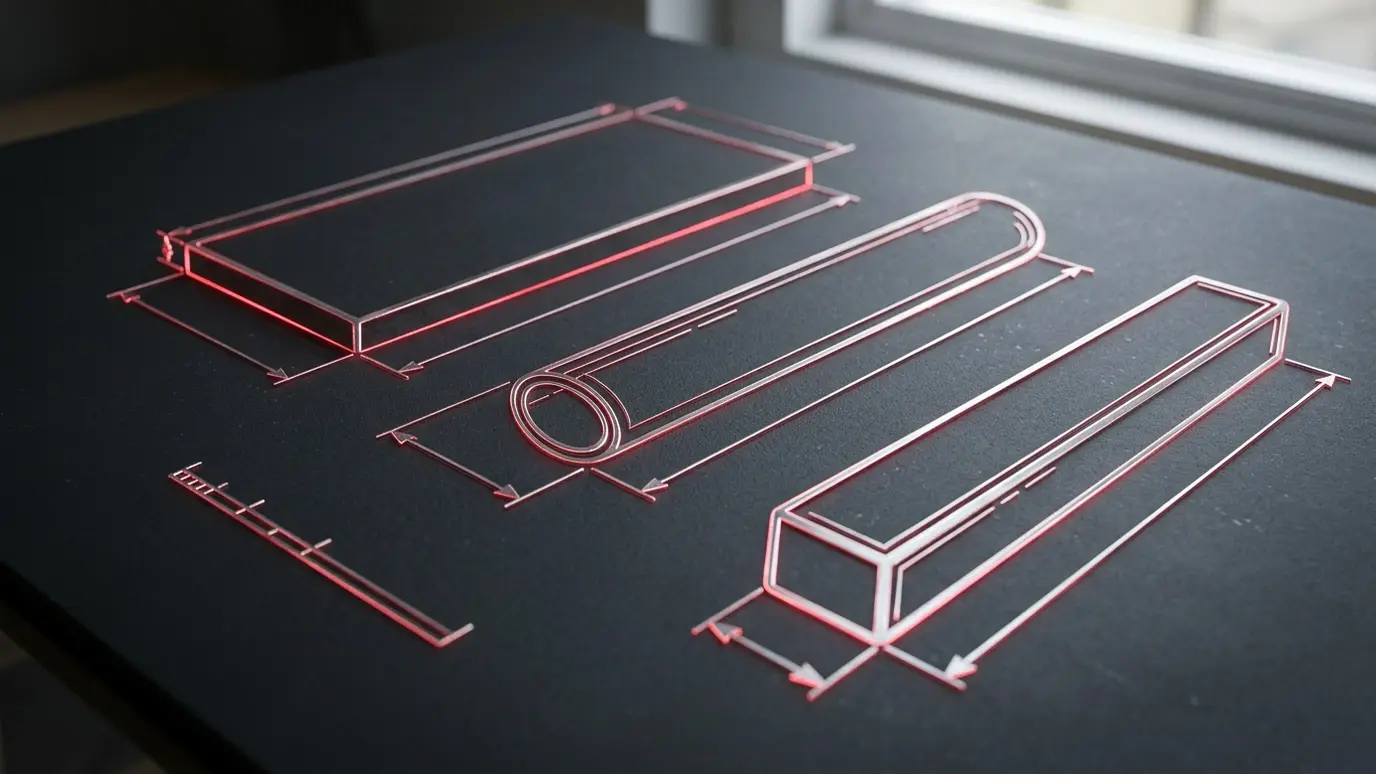 Steel Weight and Material CalculatorEnter a shape and its size and see weight, stock lengths and how much steel to order.Try it
 Welding Cost EstimatorPick a project and a size and get a ballpark planning range.Try it
Yes, with correct preheat, filler and technique. Results depend on the type and condition of the casting.
Rapid cooling and stress. Slow cooling and peening reduce the risk.
Sometimes. Brazing uses lower heat and suits certain repairs where welding would crack the part.
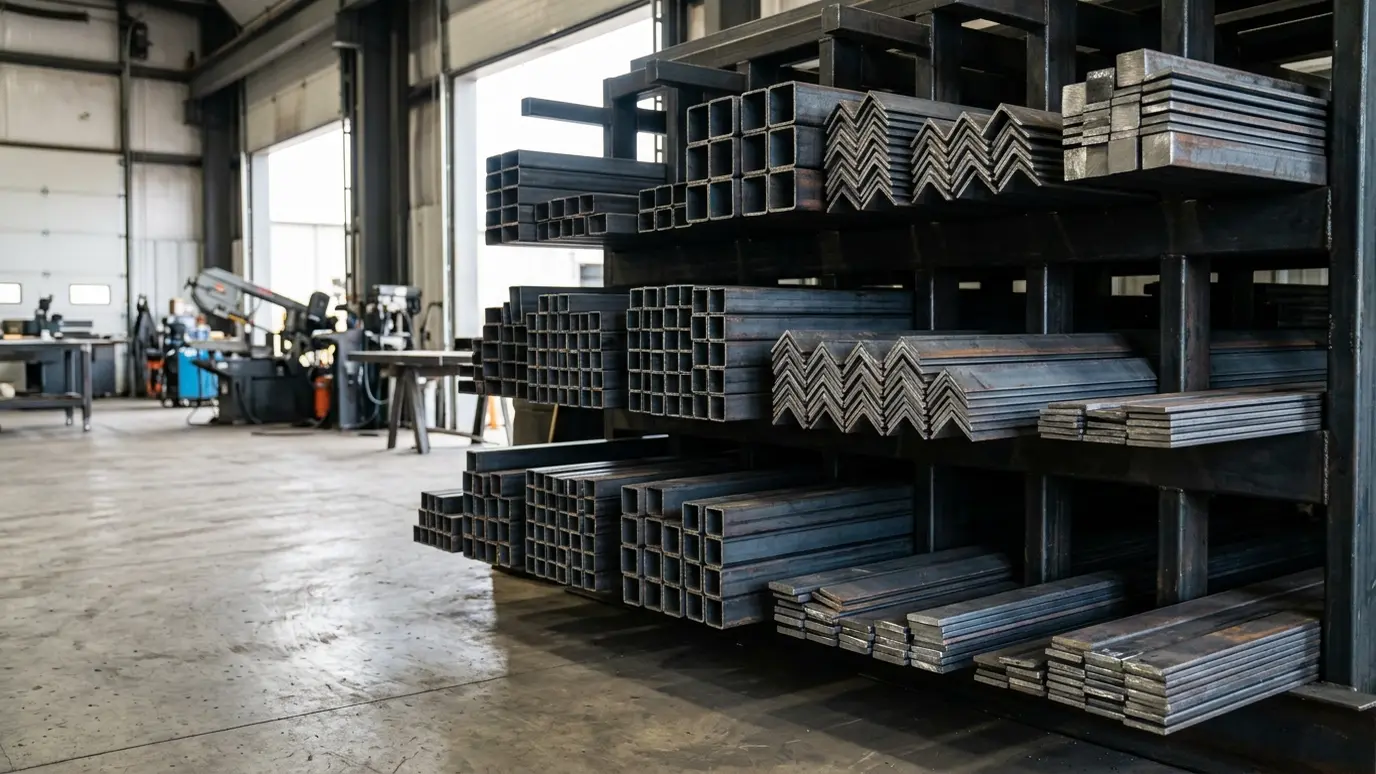 Metal guideMild SteelThe workhorse of welding: strong, affordable and forgiving, and the right choice for most gates, frames, railings and…Learn more
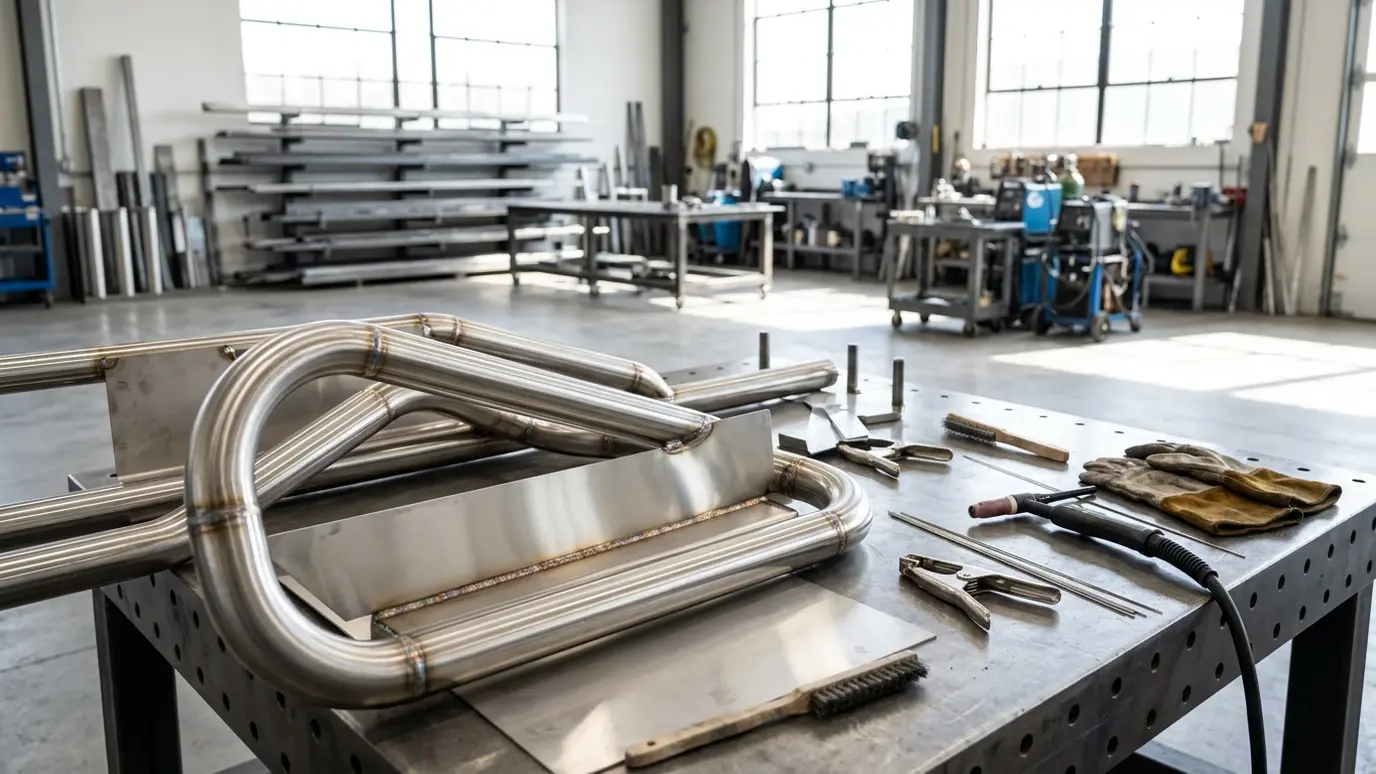 Metal guideStainless SteelCorrosion-resistant steel for kitchens, rails and tanks: how it welds, how it discolors and how to keep it…Learn more
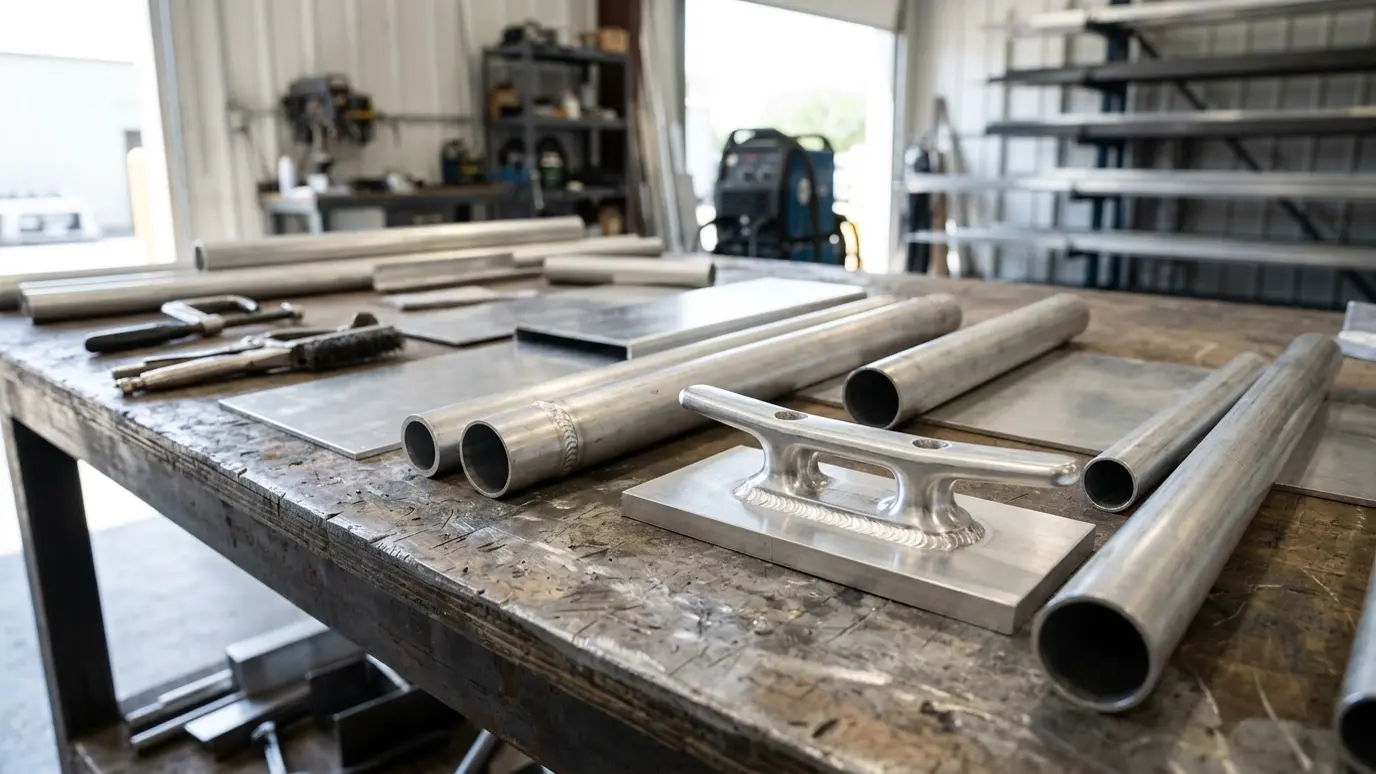 Metal guideAluminumLightweight and corrosion resistant: what makes aluminum special, which alloys weld well and where it is the best…Learn more
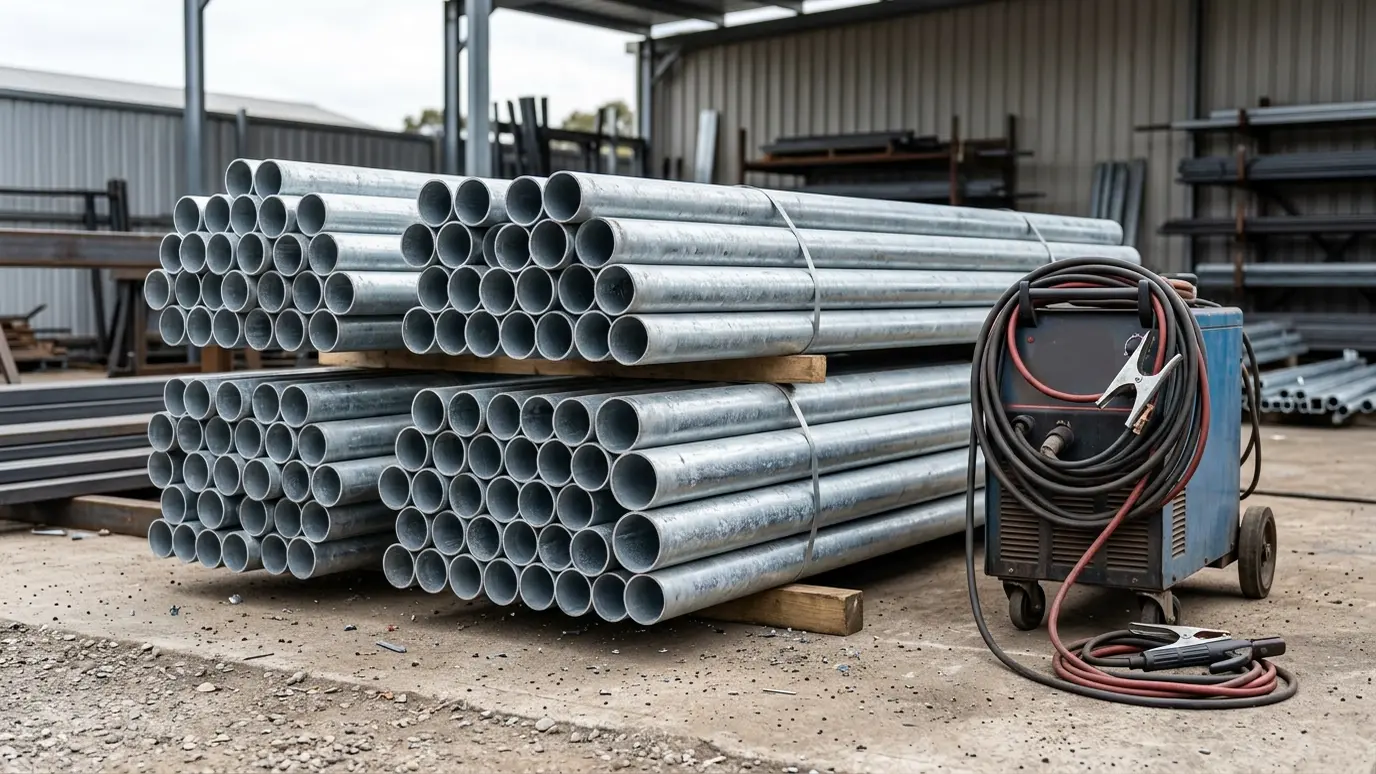 Metal guideGalvanized SteelZinc-coated steel resists rust but needs special care when welded: fumes, coating repair and finishing for lasting protection.Learn more
Quick scheduling, careful work and a clear price before we start.